
Can you get your period while pregnant? Usually, no—true menstrual bleeding doesn’t happen during pregnancy. What many people call a “period” is often spotting or abnormal uterine bleeding.
Light, brief bleeding can have harmless causes, but if it shows up again, it’s still worth getting checked.
Heavy bleeding, severe pain (especially one-sided), dizziness, or shoulder pain are red flags—go to urgent care or emergency services.
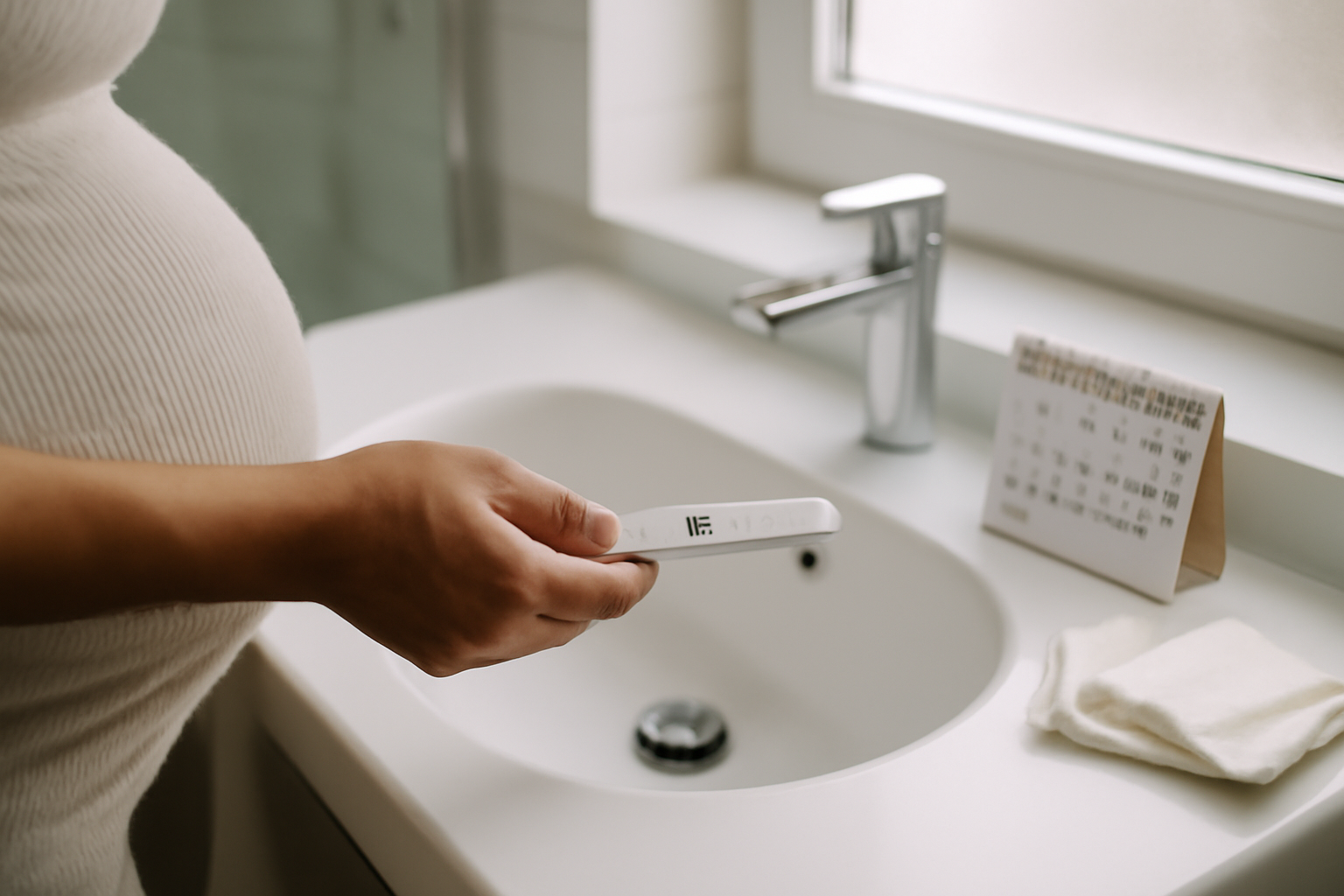
Bleeding during pregnancy can feel scary fast—and it’s easy to get stuck on the question can you get your period while pregnant. The timing and look can seem similar, but the cause is usually different. A true menstrual period follows a predictable cycle. Pregnancy bleeding typically comes from pregnancy-related changes instead. (And yes, it’s normal to feel anxious when something unexpected happens.)
This guide walks through what’s typical, what’s concerning, and what to do next—so you don’t have to guess.
| Can you have a true period while pregnant? | Generally no—pregnancy bleeding is usually spotting or abnormal uterine bleeding. |
| Most common early cause | Light spotting from hormonal and cervical changes; timing often matters. |
| Red flags | Heavy bleeding, severe or one-sided pain, dizziness/fainting, shoulder pain. |
| Best first step | Take a home pregnancy test if pregnancy is possible; repeat if unclear. |
| How clinicians confirm | Ultrasound and/or blood tests (serial hCG) to check location and viability. |
Can you have a real menstrual period while pregnant? (What “period” actually means)
No—if you’re pregnant, you generally can’t have a true menstrual period. A period happens when the uterine lining sheds after hormone withdrawal. During pregnancy, bleeding is usually “spotting” or abnormal uterine bleeding from other processes (not the regular monthly cycle). If bleeding happens, focus on pregnancy-related causes and safety.
A typical menstrual period lasts about 3–7 days, often with a heavier flow and a cycle-based rhythm. Pregnancy bleeding can last days too, but it’s more often lighter, irregular, and tied to pregnancy changes rather than your usual pattern.
Spotting in early pregnancy is common, especially in the first trimester (rates vary by study). The key isn’t the label “period.” It’s what the bleeding looks like and what else you’re feeling.
Spotting vs. period-like bleeding in early pregnancy: common, usually less serious causes
Light bleeding or spotting in early pregnancy can happen for several reasons, including implantation-related bleeding, cervical irritation (from sex or a pelvic exam), or normal hormonal shifts. These episodes are often light, short-lived, and may not come with strong cramps. Still, any bleeding should be discussed with a clinician—especially if it keeps happening.
Here’s how “period-like” bleeding can differ from a true cycle:
- Implantation-related bleeding: Often described as light spotting around implantation (timing varies by cycle and when ovulation happened).
- Cervical changes: Pregnancy can make the cervix more sensitive, so bleeding may follow contact like sex or a pelvic exam.
- Hormonal shifts: Early pregnancy involves rapid hormone changes that can affect the uterine lining and cause spotting.
Timing helps. Bleeding is most often noticed in the first trimester, so spotting may be more likely to be benign when you’re in that window. Even then, it shouldn’t be ignored. Monitoring and a quick call to your OB-GYN or midwife can prevent delays if something else is going on.
When bleeding could signal a problem: ectopic pregnancy, miscarriage, or other red flags
Some bleeding during pregnancy is a warning sign, including miscarriage and ectopic pregnancy. Red flags include heavy bleeding (soaking pads), worsening or one-sided abdominal/pelvic pain, shoulder pain, dizziness/fainting, or passing tissue. If symptoms are severe—or bleeding is more than light spotting—get urgent medical care.
Bleeding alone can’t tell you the cause, but certain patterns raise concern. Ectopic pregnancy affects about 1–2% of all pregnancies. Clinicians take that baseline risk seriously because it can become dangerous without treatment. Miscarriage is also common, estimated at roughly 10–20% of recognized pregnancies (varies by age and study). That doesn’t mean you should assume loss—it means you should be evaluated.
Look at the full picture, not just the amount. Heavy bleeding plus significant pain, faintness, or one-sided pelvic discomfort deserves same-day assessment. If pain comes with shoulder pain or dizziness, treat it as urgent—those can point to internal bleeding in ectopic pregnancy. (It’s better to be told “it’s okay” than to wait too long.)
Should you take a pregnancy test if you’re bleeding? (and when to test)
If you’re bleeding and pregnancy is possible, a home pregnancy test is a solid first step. For best accuracy, test after a missed period. If your bleeding is irregular, testing about 1–2 weeks after possible conception can help. If the first test is negative but bleeding continues or symptoms worsen, repeat and contact a clinician for blood testing.
Urine tests work best once your body has had enough time to build measurable hCG. So if your bleeding happened around when you expected your period, timing matters. Testing too early can miss a pregnancy even when you are pregnant.
If results are unclear, repeat testing can help. Many people retest in 48–72 hours or within a week, depending on when symptoms started. Clinicians can confirm with blood tests (hCG) and track changes over time.
What to do next: when to call your OB-GYN, go to urgent care, or use emergency services
Call your OB-GYN or midwife promptly if you’re pregnant and have any bleeding—especially if it’s new, increasing, or paired with pain. Go to urgent care or the ER right away for heavy bleeding, severe cramps, one-sided pelvic pain, shoulder pain, dizziness, or fainting. Keep track of pad count, clots/tissue, and timing so clinicians can assess risk.
Use a simple decision framework:
- Light spotting, no pain: Contact your clinician for guidance, especially if it repeats or you’re unsure about pregnancy timing.
- Moderate bleeding or cramps: Call the same day if possible; ask whether you need an exam, ultrasound, or blood work.
- Heavy bleeding or severe symptoms: Seek urgent care or emergency evaluation.
Clinicians may use ultrasound and/or serial hCG testing to determine pregnancy location and viability. If you’re worried about ectopic pregnancy or you feel faint, don’t wait for a follow-up appointment. Your safety comes first.
For practical triage, note how often you’re changing pads. Soaking pads or a clearly heavy flow is a threshold for urgent evaluation, and frequency matters. Also record color (pink/red/brown), whether clots or tissue passed, and whether pain is one-sided.
How long bleeding can last—and how to track it safely at home
Bleeding that’s truly light spotting often settles within a short window, but there’s no single “normal” duration for everyone. At home, track when bleeding started, how much (for example, pads per day), color (pink/red/brown), and whether you have cramps. Avoid inserting anything into the vagina and contact your clinician if bleeding persists, returns, or gets worse.
Duration depends on the cause. Brown spotting often suggests older blood, while bright red can mean more active bleeding. Still, color isn’t a guarantee—patterns and symptoms matter more than shade alone.
A safe tracking routine can make your next call faster and more useful:
- Start date/time and whether bleeding is continuous or comes and goes
- Pad count (and whether you soak through)
- Color and any clots/tissue
- Pain level (0–10) and location (center vs one-sided)
- Associated symptoms like dizziness, shoulder pain, or fever
If bleeding continues beyond a brief episode, increases, or returns after stopping, reassessment is a good idea. Ultrasound and blood tests may be needed to rule out causes that can’t be distinguished by appearance alone. After all, who wants to play guessing games with something this important?
FAQ
Can you get your period while pregnant, or is it always spotting?
You generally can’t have a true menstrual period while pregnant. If you’re bleeding, it’s usually spotting or abnormal uterine bleeding rather than a regular, cycle-based period. The amount and symptoms vary, so get medical advice if bleeding happens.
What does period-like bleeding in early pregnancy usually mean?
Period-like bleeding in early pregnancy often means light spotting from implantation timing, cervical irritation, or hormonal changes. Still, bleeding can have more serious causes, so clinicians recommend evaluation—especially if it repeats or comes with pain.
Why am I bleeding during pregnancy but my test is negative?
A negative urine test can happen if it’s taken too early or if hCG levels are still too low to detect. It can also reflect a non-pregnancy cause, or, less commonly, a pregnancy that isn’t yet measurable by urine. Repeat testing and contact a clinician for blood testing if symptoms continue.
When should I take a pregnancy test if I’m having bleeding?
Test after a missed period for best accuracy. If your timing is unclear, testing about 1–2 weeks after possible conception can help. If the first test is negative but bleeding continues or symptoms worsen, repeat and ask your clinician about blood testing.
How much bleeding is normal in pregnancy, and when is it too much?
Light spotting can occur in early pregnancy, but there’s no guarantee it’s “normal” for every person. Bleeding that soaks pads, includes significant clots/tissue, or comes with moderate-to-severe pain is not something to wait out—seek urgent care.
Is it dangerous to ignore bleeding during pregnancy?
Ignoring bleeding during pregnancy can be risky because some causes are benign while others require urgent treatment. When in doubt—especially with heavy bleeding, one-sided pain, dizziness, or shoulder pain—contact your OB-GYN/midwife promptly or seek emergency evaluation.
Key takeaways
- You can’t have a true menstrual period during pregnancy, but you can have bleeding that may look similar.
- Light, short spotting can have benign causes, but it still deserves medical input—especially if it repeats.
- Heavy bleeding, severe pain (especially one-sided), dizziness, or shoulder pain are red flags—get urgent care.
- If pregnancy is possible, take a home pregnancy test after a missed period or about 1–2 weeks after conception, and repeat if needed.
- Track pad count, color, timing, and cramps so your clinician can assess risk faster.
- Don’t self-diagnose bleeding in pregnancy—ultrasound and/or blood tests may be necessary.
- When in doubt, contact your OB-GYN/midwife promptly rather than waiting for it to “pass.”
Bottom line: if you’re wondering can you get your period while pregnant, treat any bleeding seriously enough to get guidance—because the right next step depends on timing, symptoms, and evaluation.
Helpful external references: CDC pregnancy health guidance, NHS: bleeding in pregnancy, MedlinePlus: bleeding during pregnancy, WHO: pregnancy health.