
Quick Take
- You generally can’t have a true menstrual period during pregnancy, but bleeding that looks like one can happen.
- Light spotting around the expected period can be implantation bleeding—timing and amount are the clues that matter.
- Heavy bleeding, severe pain, dizziness, or shoulder pain needs urgent evaluation to rule out ectopic pregnancy or miscarriage.
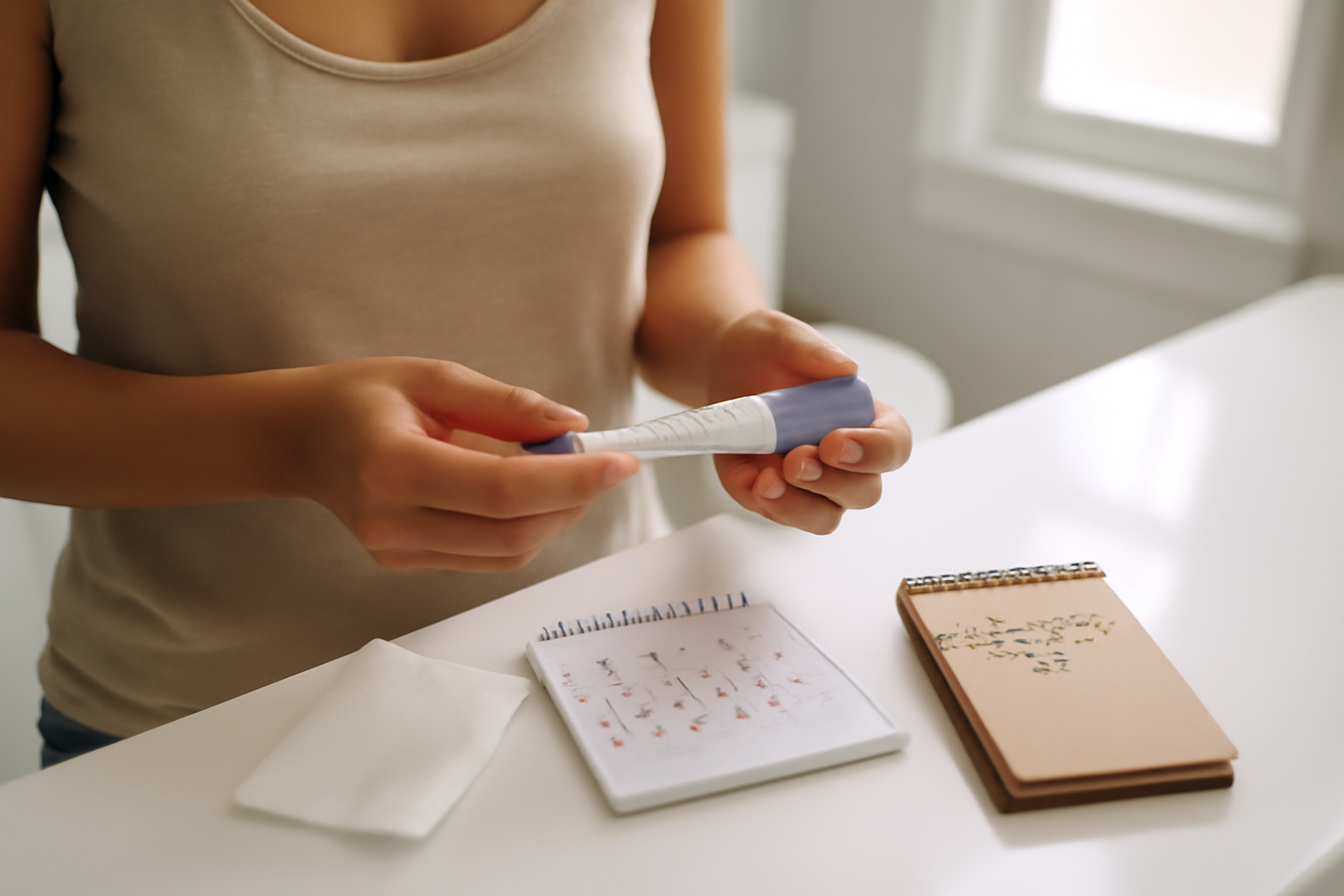
Can you get your period and still be pregnant? Usually, no—you don’t get a true period during pregnancy. But bleeding that looks like one is possible, especially early on, when hormone levels shift and implantation-related spotting can show up near the time your period would normally start. (It’s confusing—and honestly, stressful.)
The biggest factors are what the bleeding looks like, how much it is, and whether you have warning symptoms. A pregnancy test, plus follow-up care if needed, can clarify things quickly.
Can you bleed like a period and still be pregnant? (period vs pregnancy bleeding)
A true period happens when the uterine lining sheds after an egg isn’t fertilized. During pregnancy, you generally don’t get a normal period. Still, some people have period-like bleeding in early pregnancy. It can come from implantation, hormone shifts, or other causes—timing and symptoms are what separate the possibilities.
“Period” usually means a predictable, heavier flow that lasts several days, often with cramping that matches your usual cycle. “Bleeding in early pregnancy” is more often lighter spotting, shorter episodes, or intermittent flow that doesn’t behave like your typical period.
Why the mix-up? Early pregnancy bleeding can land right in your expected cycle window. If ovulation happened later than you thought (for example, you ovulated later than your average estimate), bleeding that arrives “on time” may still be pregnancy-related. Color can also be a hint—brown or pink spotting is often reported more than bright, steady red flow.
Early pregnancy bleeding is common, but the exact numbers vary depending on how studies define it. Many studies describe it as a minority-to-substantial share of pregnancies—so it’s not rare, yet it’s also not something to assume is always harmless.
If bleeding keeps going, gets heavier, or comes with concerning symptoms, it deserves medical assessment. A home test can help, but timing affects accuracy—so a negative result today doesn’t always end the story.
Implantation bleeding: timing, appearance, and how long it lasts
Implantation bleeding can happen when a fertilized egg attaches to the uterine lining. It’s typically light spotting rather than a full flow, and it often lasts up to a day or two. Many people notice it around the time they expect their period. If bleeding is heavy, increasing, or paired with strong pain, implantation becomes less likely.
Implantation is often described as occurring about 6–12 days after fertilization (and that timing can shift depending on when ovulation really happened). That window frequently overlaps with the time you’d expect your period—especially if your cycle tracking is based on averages instead of confirmed ovulation.
Appearance is another clue. People commonly describe implantation bleeding as pink, light red, or brown spotting. It’s usually enough to notice when wiping or on a liner, not enough to require regular pad changes like a typical period.
Duration is usually short. Most descriptions place it at up to 1–2 days. A period usually lasts several days and tends to follow a more consistent pattern of flow and cramping.
If you’re tracking cycles, bleeding that hits exactly on schedule may be less consistent with implantation than bleeding that’s slightly earlier or later. Still, timing varies from person to person, and ovulation timing is the big variable.
Red flags that point away from implantation
- Bleeding that ramps up over hours or turns into a steady heavy flow
- Large clots or tissue
- Severe cramping, especially if it’s worsening
- One-sided pelvic pain or dizziness
Other early pregnancy causes of period-like bleeding (hormones, cervix, and more)
Early pregnancy bleeding can also be triggered by hormone-related changes, irritation or sensitivity of the cervix, or benign conditions like cervical polyps. Some people notice light spotting after sex or after a pelvic exam. These causes are often lighter and not tied to severe cramping, but any new bleeding should be discussed with a clinician—especially if it happens again.
Not all bleeding is about implantation. In early pregnancy, hormones and increased blood flow can make the cervix more sensitive. Clinicians often note that the cervix may bleed more easily after contact, such as intercourse or a speculum exam.
Benign cervical conditions can contribute too. Cervical polyps (small growths that can bleed) and other non-cancerous changes may cause spotting. Because these can look similar to “period starting,” it’s easy to misread them.
Bleeding can also be intermittent. Spotting that stops and starts may still fit benign causes, but it doesn’t rule out complications. If it persists beyond light spotting—or if you have pain—follow-up matters.
In practice, many clinicians recommend reaching out if bleeding continues, worsens, or returns. The goal isn’t to scare you; it’s to confirm pregnancy status and make sure the bleeding isn’t a sign of something that needs treatment.
How intercourse or exams can contribute
After sex, some people notice pink spotting afterward due to friction and cervical sensitivity. Similar spotting can happen after a pelvic exam. If the bleeding is minimal and clears up quickly, it may be benign—but if you’re unsure, ask your clinician. You don’t have to “wait it out” when you can get clarity.
Mild spotting vs bleeding that suggests complications
- More reassuring: light spotting, brief episodes, no severe cramps, no dizziness
- More concerning: soaking pads, increasing flow, strong cramps, fever, foul-smelling discharge, or pain that’s one-sided
When bleeding could signal a complication: ectopic pregnancy and miscarriage
Period-like bleeding can sometimes mean an emergency or pregnancy loss. Ectopic pregnancy may involve spotting or bleeding along with one-sided pelvic pain, shoulder pain, dizziness, or fainting. Miscarriage can involve heavier bleeding, clots or tissue, and cramping that may feel stronger than typical period cramps. If pain is severe or you feel faint, seek urgent care.
Bleeding in early pregnancy isn’t automatically dangerous, but it can be. Two conditions clinicians watch closely are ectopic pregnancy and miscarriage. Both can begin with bleeding that resembles a period.
Ectopic pregnancy is relatively uncommon but important. It occurs in about 1–2% of pregnancies (global estimates vary). In ectopic pregnancy, the pregnancy develops outside the uterus—most often in a fallopian tube—so it can become life-threatening if it ruptures.
Common warning signs include bleeding with one-sided pelvic pain. Some people also report shoulder pain, dizziness, or fainting. Shoulder pain can happen when internal bleeding irritates the diaphragm.
Miscarriage is also common. Roughly 10–20% of clinically recognized pregnancies end in miscarriage (estimates vary by age and study). Patterns often include heavier bleeding, clots or tissue, and cramping that may be stronger than your usual period cramps.
Urgency criteria: when to go now
- Soaking a pad quickly (for example, within about an hour) or heavy bleeding that doesn’t slow
- Severe pelvic or abdominal pain
- Dizziness, fainting, or feeling weak
- Shoulder pain, especially with bleeding
- Fever or signs of infection along with bleeding
If any of these show up, contact urgent care or emergency services. Prompt evaluation can be lifesaving for ectopic pregnancy.
What to do next: pregnancy tests, repeat testing, and when to see a clinician
If you think you might be pregnant and you’re bleeding, take a home pregnancy test if you’re past the expected period. If it’s negative but bleeding continues, repeat in 48–72 hours or after 1 week, since hCG rises over time. For heavy bleeding, severe pain, or dizziness, contact a clinician urgently. Otherwise, schedule an evaluation to confirm pregnancy status and rule out complications.
Start with a practical approach. If you’re past your missed period, a urine test is often informative. Home tests detect hCG after implantation, so testing too early can miss a developing pregnancy.
If your first test is negative and bleeding continues, don’t treat it as the final answer. hCG levels typically rise in early pregnancy, so repeat testing can catch what the first test didn’t.
Test now vs repeat: a clear pathway
- Test now: you’re past the expected period or symptoms strongly suggest pregnancy
- Repeat in 48–72 hours: if the first test is negative but bleeding continues
- Repeat within 1 week: if results remain unclear or bleeding patterns change
A practical repeat interval of 48–72 hours is often suggested because hCG usually rises over that timeframe in early pregnancy (the exact rate varies). If you can, use first-morning urine and follow the test instructions carefully.
Clinicians may use serial blood hCG and/or ultrasound to confirm pregnancy location and viability. Ultrasound timing depends on gestational age and hCG levels, so the “right” scan date isn’t the same for everyone.
If bleeding is light and you feel okay, you may have time to schedule an appointment. If bleeding is heavy or you have pain, contact care sooner. (It’s better to check early than to sit with uncertainty.)
How to track bleeding safely: symptoms log, red flags, and questions for your appointment
To interpret bleeding, track the start date, amount (spotting vs pad changes), color (pink/brown/red), clots or tissue, cramping severity, and any triggers like sex. Also note pregnancy test dates and results. Bring this log to your appointment. Urgent red flags include soaking a pad quickly, severe one-sided pain, fainting, fever, or shoulder pain—those warrant immediate care.
A simple log can make a big difference for clinical triage. It helps your clinician tell the difference between “light, brief spotting” and bleeding that looks period-like but has added risk signals.
What to write down (quick checklist)
- Start and end times of bleeding episodes
- Amount: spotting only vs how many pads/liners you used and how fast they filled
- Color: pink, brown, bright red
- Clots or tissue: yes/no and approximate size if known
- Cramps: mild/moderate/severe, and whether they’re worsening
- Triggers: sex, exercise, pelvic exam, or bowel movement
- Other symptoms: dizziness, nausea, fever, foul-smelling discharge
- Pregnancy test details: date, brand/type, and result
Red flags that need emergency evaluation
- Heavy bleeding that soaks through a pad quickly (about an hour or faster)
- Severe pain, especially one-sided pelvic pain
- Fainting, dizziness, or feeling like you might pass out
- Shoulder pain
- Fever or foul-smelling discharge
Questions to ask at your appointment
- “Could this be implantation bleeding, or does it fit another cause?”
- “Should I repeat hCG testing, and when?”
- “Do I need an ultrasound now, or can it wait based on my timing?”
- “What symptoms mean I should go to urgent care or the ER?”
- “If my test is negative, how do we interpret that with my bleeding timeline?”
Ultrasound timing for early confirmation depends on gestational age and hCG levels. Your clinician may schedule follow-up scans if the first look isn’t conclusive yet.
FAQ
Can you get your period and still be pregnant?
You generally cannot have a true menstrual period during pregnancy, but period-like bleeding can occur. Early pregnancy spotting may be caused by implantation, hormone changes, or cervix irritation. Heavy bleeding or severe symptoms should be evaluated promptly.
How can I tell the difference between implantation bleeding and a period?
Implantation bleeding is typically light spotting (pink/brown) and lasts about 1–2 days, often around the expected period window. A true period usually involves a heavier, more consistent flow lasting several days. Timing and amount both matter.
Why am I bleeding in early pregnancy but my test is negative?
Testing may be too early, when hCG levels are still below the test threshold. Urine concentration and timing after implantation also affect results. If bleeding continues, repeat testing in 48–72 hours or within a week and contact a clinician if symptoms worsen.
When should I take a pregnancy test if I’m bleeding like my period?
Take a home test if you’re past the expected period. If it’s negative but bleeding continues, repeat in 48–72 hours or after 1 week. Seek urgent care for heavy bleeding, severe pain, or dizziness.
How much bleeding is normal in early pregnancy?
Light spotting can happen in early pregnancy, but “normal” depends on your symptoms and pattern. Bleeding that’s heavy, increasing, involves clots/tissue, or comes with strong pain is not something to assume is normal.
Is it possible to have spotting and still have a healthy pregnancy?
Yes. Some people have spotting and later have a healthy pregnancy. Still, bleeding should be taken seriously—especially if it repeats or comes with warning signs—so complications can be ruled out.
Key takeaways
- You generally cannot have a true menstrual period while pregnant, but period-like bleeding can occur.
- Light spotting around the expected period can fit implantation bleeding, but timing and amount matter.
- Bleeding after sex or from cervical irritation can happen in early pregnancy; still, it should be assessed if it persists.
- Severe pain, dizziness, shoulder pain, or heavy bleeding are red flags—seek urgent care to rule out ectopic pregnancy or miscarriage.
- If you suspect pregnancy, test after a missed period; if negative and bleeding continues, repeat in 48–72 hours or within a week.
- Track bleeding details (amount, color, clots, cramps, triggers) to help clinicians triage the cause quickly.
- When in doubt, contact a clinician—early evaluation can clarify pregnancy status and reduce risk.
So, can you get your period and still be pregnant? If you’re seeing bleeding that feels like your period, treat it as a prompt to check timing, take a pregnancy test, and monitor symptoms closely. Early pregnancy can be unpredictable, but you can still move forward with clear steps and the right kind of care.
It’s worth asking yourself: if something feels “off,” why wait? Getting checked early can turn uncertainty into answers.
Useful external resources: NHS pregnancy guidance, NHS information on miscarriage, ACOG FAQ on ectopic pregnancy, and WHO health information.