
En Bref
- Yes—you can have PCOS and endometriosis together, and the overlap is more common than many people think.
- Symptoms can blend (painful periods, irregular cycles, fertility struggles), so diagnosis often takes time.
- Different causes, different treatment—getting the right workup helps you target both conditions instead of guessing.
Can you have pcos and endometriosis? If you’ve been told your symptoms “sound like PCOS” but you also have deep pelvic pain, worsening period pain, or pain during sex, you’re not imagining the complexity. Many people live with overlapping reproductive health conditions, and PCOS and endometriosis are among the most common pairings.
At jhops.org (EN), we focus on practical, US-friendly medical information you can use with your clinician. This FAQ-style guide explains what “having both” usually looks like, how clinicians sort out causes, and what to ask for when your symptoms don’t fit neatly into one diagnosis.
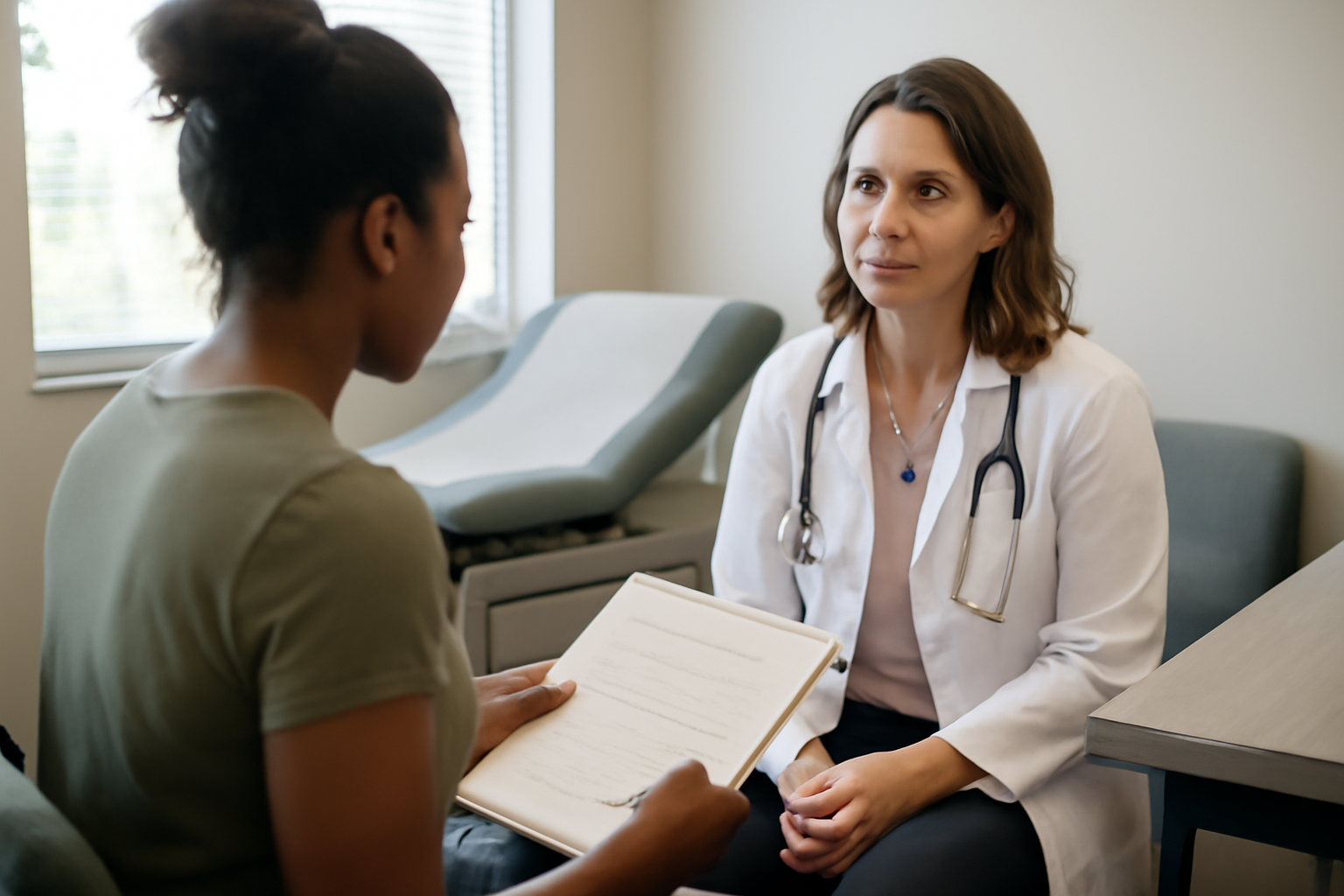
Can you have pcos and endometriosis at the same time?
Yes. You can have PCOS and endometriosis together. They’re separate conditions with different underlying mechanisms, but they can coexist—and they can share symptoms like irregular or heavy bleeding, pelvic pain, and fertility challenges. (And honestly, it can feel like your body is doing too much at once.)
Research has found an overlap between the two diagnoses. A commonly cited estimate is that a meaningful minority of people with PCOS also receive an endometriosis diagnosis—often quoted around the high single digits in studies and reviews. Exact percentages vary by study design, diagnostic criteria, and whether endometriosis is confirmed surgically.
Clinically, overlap matters because it changes how symptoms get interpreted. Irregular cycles can come from PCOS, while severe cyclic pain may point more strongly toward endometriosis. Still, the overlap is common enough that clinicians should consider both when the symptom pattern doesn’t “lock” into one diagnosis.
If you’re trying to map your own timeline, look for patterns. Cycle-related pain that worsens over time often raises suspicion for endometriosis. Biochemical or ultrasound features—like high androgens or polycystic ovarian morphology—can support PCOS. Your clinician’s job is to connect the dots: tests, exam, imaging, and history.
What symptoms overlap between PCOS and endometriosis?
Several symptoms can feel interchangeable at first. That’s why people often get partial answers—“PCOS” on one side, “pain is normal” on the other—until symptoms escalate or fertility planning starts.
Common overlap includes pelvic pain (often cyclical), abnormal uterine bleeding, and reproductive difficulty. Some people also report bloating, fatigue, and pain that affects daily life.
Where they may differ: endometriosis pain often has a strong cycle relationship. It can also show up as pain with sex, bowel movements, or urination during periods. PCOS more often centers on irregular ovulation, hormonal patterns (acne, excess hair growth), and metabolic features like insulin resistance.
Because symptoms overlap, a “single diagnosis” based on one clue can miss the other condition. If you have irregular cycles and significant period pain, it’s reasonable to ask whether endometriosis has been considered alongside PCOS.
Quick symptom-mapping questions to ask yourself
- Is your pain clearly worse around your period (and does it worsen over years)?
- Do you have pain with intercourse or with bowel/bladder symptoms during menstruation?
- Do you have signs of hyperandrogenism (acne, scalp hair thinning, increased facial/body hair)?
- Have you had persistent cycle irregularity since adolescence?
How do doctors distinguish PCOS from endometriosis?
Distinguishing these conditions comes down to combining history, physical exam, imaging, and lab testing—then matching results to symptom patterns. There isn’t one single test that “proves” both at once.
For PCOS, clinicians often look for ovulatory dysfunction and hyperandrogenism, using criteria such as the Rotterdam framework. That may involve bloodwork for androgens and metabolic markers, plus pelvic ultrasound findings. For endometriosis, the workup focuses on pain characteristics and may include imaging and, in some cases, diagnostic or therapeutic laparoscopy.
One nuance to keep in mind: ultrasound can sometimes suggest endometriosis (especially ovarian endometriomas), but many cases don’t show up on imaging. Meanwhile, PCOS can show ovarian morphology changes that don’t explain severe cyclic pain on their own. When both are possible, clinicians may prioritize ruling out the most treatable or urgent causes first.
In the US, many people start with a primary care clinician or OB-GYN. If symptoms are severe or persistent, referral to a gynecologist experienced in endometriosis can speed up how quickly the full picture gets addressed.
Tests that often enter the conversation
- Hormone and metabolic labs (androgen levels, glucose/insulin or A1c, lipids)
- Pelvic ultrasound for PCOS morphology and for signs of endometriosis-related lesions
- Pregnancy test when bleeding patterns are irregular
- STI testing if pelvic pain raises infection considerations
- Imaging for endometriosis when available (specialized pelvic ultrasound or MRI in selected cases)
- Laparoscopy when diagnosis is uncertain and symptoms are significant
How common is it to have both PCOS and endometriosis?
Overlap seems to be more than a rare coincidence, but it’s still hard to give one “true” number for everyone. Studies differ in how they define PCOS, how they confirm endometriosis, and whether they include only surgically confirmed cases or also clinical diagnoses.
Even so, many reviews and cohort analyses report that endometriosis shows up in a non-trivial fraction of people diagnosed with PCOS—often cited in the high single digits. The number can look different depending on whether researchers count suspected endometriosis versus confirmed endometriosis.
In real life, what matters for you isn’t the exact percentage. It’s the cue it gives clinicians: treat “pain + irregular cycles” as a reason to broaden the evaluation. If your symptoms don’t behave like straightforward PCOS, endometriosis should be on the differential.
For additional background, you can reference general endometriosis overviews from Office on Women’s Health (endometriosis overview) and PCOS summaries from NIH/NICHD (PCOS overview).
If you want a quick sense of how often PCOS shows up in the general population, see How Common Is PCOS? Prevalence and Key Statistics.
Can PCOS symptoms mask endometriosis, or vice versa?
Yes—masking happens. PCOS often becomes the “default” explanation for irregular bleeding, weight changes, or hormone-related symptoms. When someone already has PCOS, clinicians and patients may assume pelvic pain is “just hormonal,” even when the pain pattern suggests something else.
On the other side, endometriosis can complicate metabolic and hormonal symptoms. Chronic pain, heavy or irregular bleeding, and stress can affect sleep, appetite, and weight. That can make PCOS-like symptoms feel even more confusing—especially if lab work was never done or if it was done while you were on hormonal contraception.
There’s also a practical issue: hormonal treatments used for one condition can partially suppress symptoms of the other. Certain hormonal therapies can reduce bleeding and pain, which may blur the timeline when clinicians try to interpret what’s happening.
If your pain is severe, progressive, or disrupts work/school, masking becomes more than a theory. It’s a reason to revisit the diagnosis and ask for an endometriosis-focused evaluation—even if you already have a PCOS label. (And yes, it’s okay to ask again.)
Does having both affect fertility or pregnancy outcomes?
It can. Both conditions are associated with fertility challenges, but through different pathways. PCOS primarily affects ovulation and hormonal regulation. Endometriosis can affect pelvic anatomy, inflammation, and the implantation environment.
When both are present, the combined effect can be more than additive. Irregular ovulation from PCOS may reduce the chance of conception, while endometriosis-related factors can further complicate timing and embryo implantation. That’s why fertility care often becomes more intensive and more personalized.
It doesn’t mean pregnancy is impossible. Many people conceive with appropriate treatment and monitoring. The key is aligning the strategy: ovulation induction and metabolic optimization for PCOS, plus targeted endometriosis management based on symptom severity and lesion status.
When you meet a fertility specialist, bring a symptom timeline and ask how they plan to address both diagnoses. If you’ve never had endometriosis evaluated beyond symptom description, ask whether imaging or referral is appropriate. (A clear pain pattern helps more than you’d think.)
For general fertility and endometriosis context, Wikipedia’s endometriosis overview is not a clinical guideline, but it can help you understand commonly discussed mechanisms and terminology before your appointment.
What treatments work when you have PCOS and endometriosis together?
Treatment is usually a balancing act. You’re trying to manage pain and inflammation from endometriosis while also addressing ovulation and metabolic/hormonal features of PCOS. The “best” plan depends on your goals—pain control, cycle regulation, fertility, or long-term health.
For endometriosis-related pain, clinicians may use hormonal suppression (depending on your situation), NSAIDs, and sometimes procedures for lesions. For PCOS, approaches often include lifestyle and metabolic interventions, cycle regulation, and fertility-focused ovulation induction when desired.
When both are on the table, clinicians may coordinate therapies so they don’t work at cross-purposes. For example, a hormonal regimen that improves endometriosis pain might also influence cycle regularity in ways that affect how PCOS symptoms are assessed. That doesn’t automatically mean the treatment is wrong—it just means you’ll want a plan for monitoring and reassessment.
If you’re pursuing pregnancy, ask how treatment timing will work. If pain is severe, controlling it can improve your quality of life—and it may also make fertility efforts more sustainable.
Questions to bring to your OB-GYN or gynecologist
- “Based on my symptoms, should endometriosis be formally evaluated even though I already have PCOS?”
- “What findings would change your treatment plan?”
- “If I start hormonal therapy, how will we track whether PCOS and endometriosis are both improving?”
- “If I want pregnancy, what’s the step-by-step fertility plan for both conditions?”
- “Are there red flags that mean I should be seen urgently?”
What should you ask for if your symptoms don’t fit PCOS alone?
Start by describing your symptom pattern clearly. Clinicians are more likely to consider endometriosis when pain is cyclical, severe, and tied to triggers like sex or bowel/bladder symptoms during periods.
Ask about a structured evaluation. Find out whether your PCOS diagnosis was based on the full clinical criteria (symptoms, labs, ultrasound) and whether endometriosis has been evaluated beyond “pain management.” You can also ask whether referral to a gynecologist with endometriosis experience makes sense for your case.
Red flags include pain that’s worsening over time, pain that interferes with daily life, heavy bleeding that leads to anemia, and pelvic pain that persists despite initial treatment. If you have symptoms of anemia (fatigue, shortness of breath, dizziness), bring it up promptly.
Also ask how current medications might affect test results. Hormonal contraception and certain therapies can change bleeding patterns and hormone levels. Your clinician may choose the timing of labs so results reflect your baseline physiology.
When should you seek urgent care (and when it’s okay to schedule a regular visit)?
Most PCOS and endometriosis care happens through scheduled visits, but some symptoms should be checked urgently. If you have sudden severe pelvic pain, fainting, fever, or heavy bleeding soaking through pads rapidly, treat it as urgent.
Endometriosis can cause significant pain, but other conditions can mimic it—like ovarian torsion, ectopic pregnancy, severe infection (PID), or ruptured cysts. That’s why the “urgent vs routine” decision matters.
On the routine side, schedule promptly if your period pain is consistently severe, if you’re missing periods for months, if you have persistent abnormal bleeding, or if pain affects sex or daily activities. Earlier evaluation often reduces suffering and helps you avoid years of under-treatment.
If you’re unsure, call your clinician’s office or an on-call line and describe severity, timing, and bleeding level. (A quick triage call can prevent unnecessary waiting.)
Can you have pcos and endometriosis and still get a clear diagnosis?
Yes—and you deserve clarity. “Both conditions” can feel overwhelming, but it can also be empowering because it moves you from guesswork to targeted care. When clinicians take your symptom pattern seriously and do the right evaluation, you can go from vague explanations to a plan.
Ask for a coordinated approach: PCOS workup for ovulatory function, androgen patterns, and metabolic health; endometriosis assessment for cyclical pain and possible lesions. Then align treatment with your goals—pain relief, cycle management, or fertility.
As you advocate for yourself, keep your notes simple: dates of bleeding, pain severity (0–10), pain triggers, and any associated symptoms like pain during sex. That record helps clinicians see patterns that tests alone can’t always capture.
So, can you have pcos and endometriosis? Yes. And with the right evaluation, you can move beyond “one diagnosis that doesn’t explain everything.” The goal isn’t just labels—it’s better symptom control, safer care, and a plan you can actually follow.
FAQ: can you have pcos and endometriosis together?
Can you have PCOS and endometriosis together?
Yes. They are separate conditions that can coexist, and their symptoms may overlap. A clinician may need to evaluate both when the symptom pattern doesn’t fit one diagnosis.
What are the most common overlapping symptoms?
Pelvic pain (often cyclical), abnormal or heavy bleeding, and fertility-related challenges can overlap. Endometriosis pain often includes pain during sex or bowel/bladder symptoms during periods.
How is PCOS diagnosed compared with endometriosis?
PCOS diagnosis typically uses criteria based on ovulatory dysfunction, hyperandrogenism, and/or ultrasound findings plus lab testing. Endometriosis is often suspected from pain history and imaging, and confirmed in some cases by laparoscopy.
Will hormonal birth control treat both conditions?
It may help with endometriosis pain and can regulate bleeding in PCOS, but it doesn’t “cure” either condition. Your clinician should still evaluate both, especially if pain remains severe or fertility is a goal.
Does having both affect fertility?
It can. PCOS affects ovulation, while endometriosis can affect pelvic environment and implantation. Many people still conceive with individualized treatment and monitoring.
When should you seek urgent care?
Seek urgent evaluation for sudden severe pelvic pain, fainting, fever, or very heavy bleeding. For ongoing severe cyclical pain or persistent abnormal bleeding, schedule prompt follow-up.
Publication date: April 10, 2026.