
Hot flashes in your 20s : oui, ça peut arriver… et ce n’est pas forcément la ménopause. Les causes possibles vont des effets de certains médicaments au stress, en passant par la thyroïde, la glycémie, ou d’autres conditions hormonales/reproductives.
Dans ce guide, on passe en revue les déclencheurs les plus fréquents, comment les distinguer d’une fièvre ou d’une crise d’anxiété, et quoi faire quand les épisodes reviennent.
Vous trouverez aussi des conseils simples pour suivre vos symptômes, plus les “signaux” qui méritent une consultation rapide.
| Most common pattern in 20s | Sudden heat + sweating, often linked to stress physiology, hormones, or medication effects |
| Typical duration | Seconds to a few minutes; may cluster and repeat |
| Common triggers | Alcohol, spicy foods, caffeine, overheating, exercise timing, anxiety spikes |
| Key “don’t miss” causes | Thyroid disease, blood-sugar problems, infections/fever, medication reactions |
| Best next step | Track episodes + discuss red flags with a clinician |
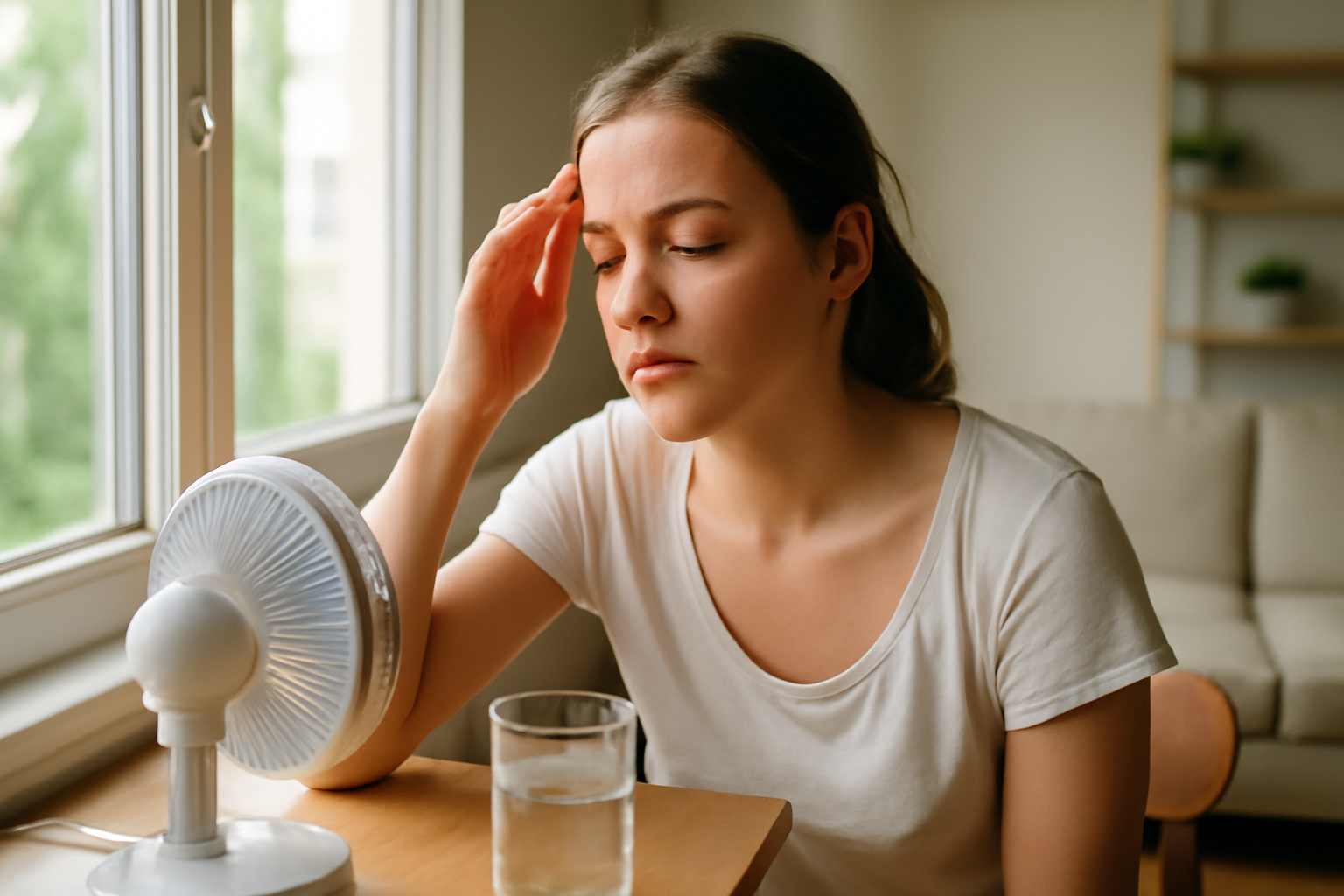
If you’re searching what causes hot flashes in 20s, you’re not alone. Many people assume it’s only a midlife thing, yet episodes can show up earlier—sometimes once, sometimes again and again. The tricky part is that “hot flash” symptoms can overlap with fever, panic, reflux, medication side effects, or blood-sugar swings.
Let’s make it practical : identify the most likely triggers, notice when something more serious may be going on, and use a simple tracking method to guide next steps. (And spoiler : “it’s just stress” is rarely the whole story.)
What counts as a hot flash (vs. night sweats, fever, anxiety)
A hot flash is a sudden sensation of warmth that often starts centrally (chest/neck/face) and spreads upward. Many people notice flushing and sweating, and then—sometimes—a chill afterward because your body loses heat.
Night sweats are hot-flash episodes that happen during sleep. Fever is different: it usually comes with a measured temperature elevation, body aches, and often a clear infectious context. Anxiety/panic can mimic hot flashes—racing heart, tingling, and a sense of danger—yet the heat and sweating often follow a specific emotional or situational trigger.
Quick self-check you can do during an episode
- Where does the heat start? Upper body/face/neck is more typical for hot flashes.
- Do you sweat? Hot flashes commonly include visible sweating.
- Any measured fever? If you can, check temperature—fever points elsewhere.
- How fast does it peak? Hot flashes often rise quickly and resolve within minutes.
That last detail matters. If episodes are brief, wave-like, and repeat with identifiable triggers, hot flashes are more likely than a slow-building heat sensation from illness.
And ask yourself : does it feel like a “wave” that passes, or more like you’re gradually getting warmer?
What causes hot flashes in 20s? Key triggers explained
What causes hot flashes in 20s usually comes down to the same core mechanism seen later in life: your temperature regulation and blood-vessel responses become more sensitive. In your 20s, though, the “why” often isn’t menopause.
Here are the main categories clinicians consider—then we’ll go deeper into each. Think of it like a map: once you know the neighborhood, you can narrow the street.
The main trigger categories
- Hormone-related changes (including thyroid or ovarian/hormonal conditions)
- Medication or supplement effects (antidepressants, steroids, hormone therapies, and others)
- Metabolic or vascular issues (blood-sugar swings, obesity-related thermoregulation changes)
- Stress and autonomic nervous system activation (including panic-like surges)
- Lifestyle and environmental triggers (alcohol, spicy foods, caffeine, overheating)
- Medical conditions that can resemble hot flashes (infections, anemia, carcinoid syndrome, etc.)
Some people notice triggers right away—like alcohol or warm rooms. Others experience episodes without obvious cues. That’s where tracking and targeted evaluation become genuinely useful.
Common hot-flash triggers you can test this month
- Alcohol (especially red wine and cocktails)
- Spicy foods
- Caffeine and energy drinks
- Overheating (hot yoga, crowded spaces, heavy blankets)
- Stress spikes (deadlines, arguments, sudden fear)
- Heat + dehydration (not just temperature—also fluid/electrolyte balance)
If you want a quick experiment, change one factor for 7–14 days while logging episodes. Patterns tend to show up faster than people expect.
Hormone and reproductive causes at a young age
In a 20-something, hormone-related causes can still be on the list—even if you’re not in menopause. The pituitary-ovarian axis, thyroid function, and certain reproductive conditions can all influence how your body handles temperature and flushing.
When hormone systems shift, your nervous system may respond with sudden vasodilation and sweating. That’s the “hot flash” feeling, even if your age makes it less expected.
Thyroid disorders
Hyperthyroidism (overactive thyroid) can cause heat intolerance, sweating, palpitations, and anxiety-like symptoms. If hot flashes come with weight loss, tremor, or irregular periods, thyroid evaluation becomes more important.
Thyroid labs (like TSH and free T4) are often straightforward and can clarify a lot. For background on thyroid disease, see hyperthyroidism overview and NIDDK thyroid disease resources.
Ovarian hormone changes and early ovarian insufficiency
Some people experience early ovarian insufficiency, which can lead to estrogen fluctuations and hot-flash-like symptoms. Clues may include irregular or absent periods, vaginal dryness, or fertility concerns.
Early ovarian insufficiency isn’t the most common cause, but when it’s present, it’s worth diagnosing—because it affects long-term health planning.
Pregnancy and postpartum changes (yes, they can matter)
Hormonal shifts in pregnancy and after delivery can cause heat sensations and sweating. If you’re sexually active and not sure whether pregnancy could be involved, do a home test and talk with a clinician.
(If you’re also noticing bleeding changes, our guide on timing can help you think clearly: How long does implantation bleeding last for: timing.)
Less common hormone-related conditions
Some rarer endocrine or reproductive conditions can trigger flushing. Carcinoid syndrome, for example, is uncommon but classically involves flushing and diarrhea—so persistent, unexplained episodes with additional symptoms deserve medical review.
Medications and substances that can trigger flushing
One of the fastest ways to narrow what causes hot flashes in 20s is to review what you started (or changed) recently. Medications can alter serotonin pathways, hormone signaling, blood-vessel tone, or how your body responds to temperature.
Even “normal” supplements can play a role—especially if you’re using them for energy, weight changes, or mood.
Common medication triggers
- Antidepressants (especially some SSRIs/SNRIs can be associated with sweating or flushing)
- Hormonal therapies (including certain birth control changes)
- Corticosteroids (can cause flushing and sweating)
- Opioids (some people experience warmth/flushing as a side effect)
- Niacin (can cause classic flushing)
Substances that commonly worsen episodes
Alcohol is a top trigger for many. Caffeine and energy drinks can amplify sympathetic (“fight-or-flight”) activity. Smoking and vaping may also worsen flushing for some people by affecting vascular tone and autonomic balance.
If you recently changed your routine—new pre-workout, a different coffee schedule, or a medication dose—write it down. Your clinician will appreciate the timeline.
When to act urgently
Seek prompt care if flushing comes with hives, swelling of lips/tongue, trouble breathing, or fainting. Those can signal an allergic or severe reaction rather than a typical hot flash.
Metabolic, stress, and lifestyle triggers (very common)
In daily life, the most frequent “hidden drivers” of hot-flash-like symptoms in your 20s are often metabolic shifts and stress physiology. Your body’s temperature control is tightly linked to the autonomic nervous system, blood sugar stability, hydration, and sleep quality.
That’s why two people can experience the same episode—one after a spicy meal, the other during a stressful meeting—and both are still dealing with the same underlying system.
Blood sugar swings
Low blood sugar (hypoglycemia) or unstable eating patterns can cause sweating, shakiness, and a sudden heat sensation. If you notice episodes when you skip meals, after intense workouts, or late at night, discuss blood sugar evaluation with a clinician. (If you suspect reactive patterns, see Reactive Hypoglycemia: Symptoms, Causes and Treatment Tips.)
Stress, anxiety, and adrenaline surges
Stress doesn’t just change your mood—it changes your physiology. Adrenaline surges can lead to flushing, sweating, and a “wave” feeling. If episodes cluster around anxiety peaks, address stress management and, if needed, mental health support alongside medical evaluation. (For a deeper look, read Can stress cause hot flashes ? Causes et solutions.)
Overheating, dehydration, and sleep disruption
Hot environments and insufficient fluids amplify sweating and vasodilation. Poor sleep lowers your threshold for autonomic instability, so episodes may become more likely.
(Quick reality check: sometimes “hot flashes” are your body asking for water, a cooler room, and a steadier routine—annoying, but fixable.)
Try this 7-day trigger audit
- Log the time (morning/afternoon/night) and duration.
- Rate intensity from 1–10.
- Record triggers: alcohol, caffeine, spicy food, exercise, stress event.
- Track context: room temperature, clothing layers, hydration.
- Note cycle factors: period day, contraception changes, pregnancy possibility.
After a week, look for repetition. One repeated trigger is often more useful than a long list of maybes.
When to see a doctor + what tests may help
Most hot-flash-like episodes in your 20s are manageable once triggers are identified. Still, some patterns deserve medical attention—especially if symptoms are new, worsening, or paired with systemic signs.
Clinicians typically start with history, a symptom timeline, and a physical exam. Then they choose labs based on what you report.
Red flags that should not wait
- High fever (especially persistent) or feeling severely ill
- Unexplained weight loss, severe fatigue, or persistent diarrhea
- Heart racing with dizziness or fainting
- New flushing with severe headache or neurological symptoms
- Irregular periods or missed periods with other hormone symptoms
- Night sweats that soak clothing/sheets repeatedly
Common tests your clinician may consider
| Goal | Examples of tests |
| Check thyroid | TSH, free T4 |
| Assess anemia or infection clues | CBC, inflammatory markers if indicated |
| Evaluate blood sugar stability | Glucose, A1C (based on history) |
| Consider hormone-related causes | Pregnancy test if relevant; reproductive hormone labs when appropriate |
| Rule out less common flushing syndromes | Targeted tests only when symptoms fit (e.g., persistent diarrhea/flushing pattern) |
For general information on when to seek care for fever and systemic symptoms, see CDC health guidance and MedlinePlus fever overview.
Relief strategies that actually fit real life
Relief isn’t one-size-fits-all. The best approach combines trigger reduction, body comfort measures, and—when needed—targeted medical treatment. If you’re trying to control episodes while figuring out the cause, start with what you can change today.
And remember : a hot flash isn’t “danger” by itself. It’s your body’s temperature and vascular system responding. The goal is to reduce frequency and severity while you clarify the underlying driver.
Immediate cooling moves
- Use a fan, cool compress, or breathable clothing layers.
- Slow your breathing for 60–90 seconds (longer exhale than inhale).
- Hydrate—small sips if you feel flushed and sweaty.
- Cool the environment: open a window, lower thermostat, lighten bedding.
Longer-term lifestyle adjustments
Reduce the highest-probability triggers first: alcohol, caffeine late in the day, and overheating workouts. If spicy foods reliably trigger episodes, scale down rather than “white-knuckling” it.
Sleep consistency matters too. If night sweats are part of your pattern, keep the room cool and consider moisture-wicking sleepwear.
Medical options (discuss with a clinician)
If episodes are frequent and disruptive, your clinician may discuss treatments depending on the cause. In menopause, options include hormone therapy or non-hormonal medications; in younger adults, the plan often focuses on the underlying trigger (thyroid disease, medication side effects, hormone instability, etc.).
That’s why your timeline is so powerful. When you show a pattern, treatment becomes more precise.
FAQ: Hot flashes in your 20s
Can hot flashes happen in your 20s even if you’re not in menopause?
Yes. Hot-flash-like episodes can occur due to thyroid issues, hormone fluctuations, medication side effects, stress physiology, blood-sugar swings, or lifestyle/environment triggers. The cause is often different from classic menopause, so tracking symptoms helps narrow it down.
What triggers hot flashes in 20s the most?
Common triggers include alcohol, spicy foods, caffeine/energy drinks, overheating, dehydration, and stress spikes. Medication changes (especially antidepressants, steroids, or niacin) can also play a major role. Your personal pattern usually points to the most relevant trigger.
How do I tell hot flashes apart from fever or panic attacks?
Hot flashes typically cause sudden warmth and flushing with sweating that peaks quickly and resolves within minutes. Fever usually involves an elevated measured temperature and illness symptoms. Panic attacks often include fear, racing thoughts, and rapid heart rate that correlate with emotional triggers.
Should I get thyroid tests if I’m having hot flashes?
If episodes are persistent, new, or come with symptoms like palpitations, tremor, weight changes, or irregular periods, thyroid testing is a reasonable discussion with a clinician. TSH and free T4 are commonly used to evaluate thyroid function.
Can birth control cause hot flashes?
Yes, some people experience flushing, sweating, or temperature sensitivity after starting, stopping, or changing hormonal contraception. If you notice a clear timeline, share it with your clinician to consider adjustment.
When should I seek urgent care for flushing?
Go for urgent care if flushing comes with trouble breathing, swelling of lips/tongue, hives, fainting, or severe chest pain. Also seek prompt evaluation for persistent high fever, severe weakness, or recurrent night sweats that soak clothing repeatedly.
Bottom line: finding your trigger for what causes hot flashes in 20s
When you’re trying to understand what causes hot flashes in 20s, the goal isn’t to guess forever. Start with a clear episode description, then test the most common triggers while you build a timeline of meds, cycle changes, stress patterns, and meals.
If symptoms are frequent, worsening, or paired with red flags, bring your tracking to a clinician. It’s the fastest route to targeted labs and relief that fits your situation—not generic reassurance.
— jhops.org (EN Health Editorial Team)