
What causes swollen uterus is often something treatable and not dangerous—think fibroids, adenomyosis, hormonal shifts, or enlargement related to pregnancy.
People usually notice more than just a “bigger” uterus. Heavy or prolonged bleeding, pelvic pressure, pain, and bloating are common (and sometimes constipation or urinary frequency shows up too).
Get checked sooner rather than later if symptoms are severe—especially intense pain, very heavy bleeding, fever with pelvic pain, or any bleeding after menopause.
Diagnosis typically starts with a pelvic exam and ultrasound. MRI may be added when the picture is unclear, and treatment depends on the cause and what you want for the future.
| Most common causes | Fibroids, adenomyosis, hormonal changes, pregnancy-related enlargement |
| Common symptoms | Heavy/prolonged periods, pelvic pressure, pain, bloating, sometimes constipation/urinary frequency |
| Urgent red flags | Postmenopausal bleeding, severe pain, fever with pelvic pain, very heavy bleeding |
| Typical diagnosis | Pelvic exam + transvaginal/pelvic ultrasound; MRI for complex cases |
| Typical treatment approach | Cause- and goal-dependent: meds, procedures, or surgery; lifestyle support |
If you’ve been told your uterus is “swollen” or “enlarged,” it can feel unsettling—especially when you don’t know what’s driving it. The good news is that many causes are common and treatable. The less-good news: you shouldn’t guess. The path from symptoms to diagnosis matters, and it’s usually clearer once you get the right evaluation.
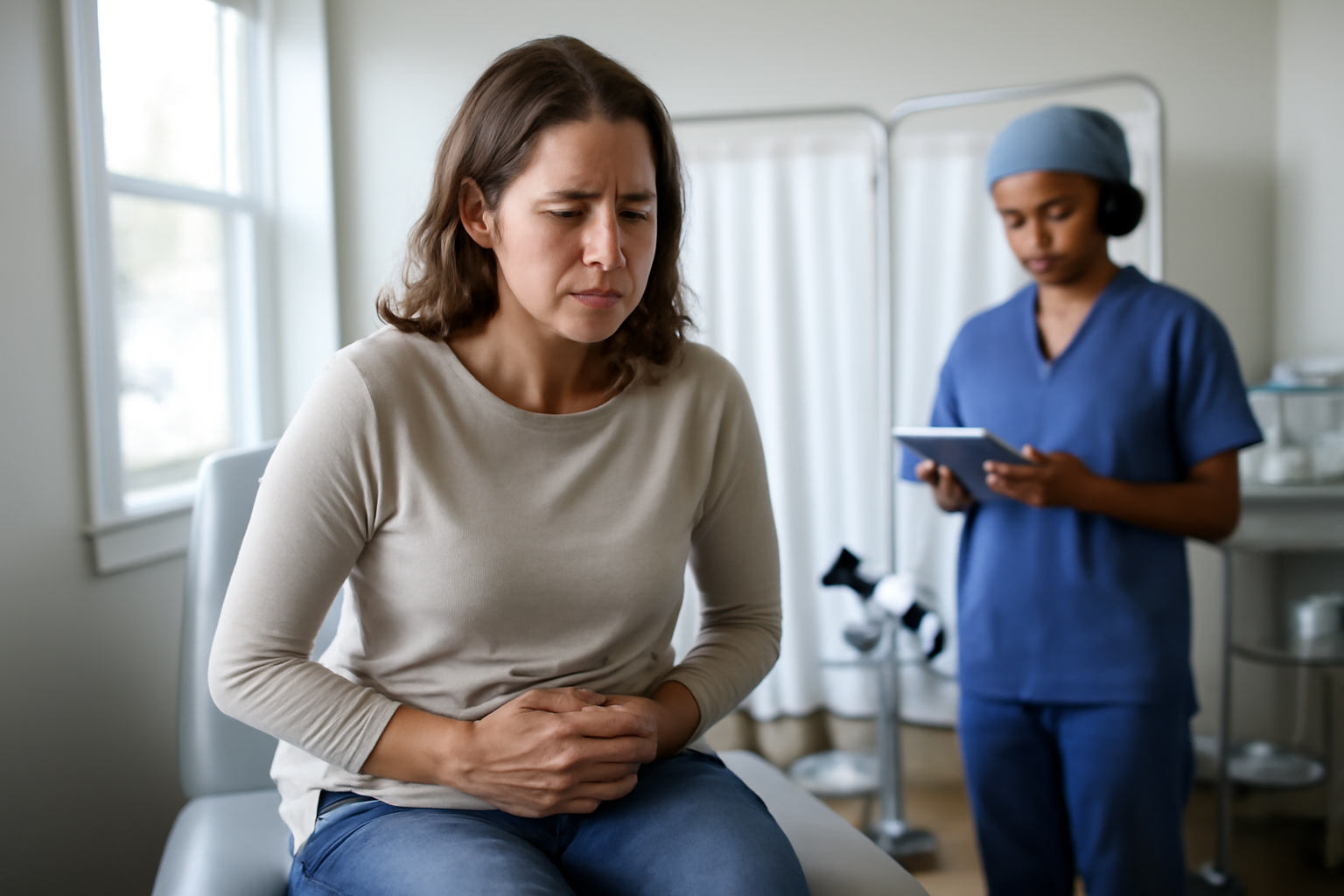
Common medical causes of an enlarged uterus (fibroids, adenomyosis, and more)
An enlarged uterus is most often linked to benign growths or tissue changes, such as uterine fibroids (muscle tumors), adenomyosis (endometrial tissue within the uterine wall), or hormonal shifts that affect uterine size. Less commonly, it can point to pregnancy-related enlargement, pelvic infections, or other uterine conditions that still deserve evaluation.
When people ask what causes swollen uterus, the answer usually fits into a few familiar categories. Fibroids can increase uterine size by growing within or around the uterine muscle. Adenomyosis changes the uterine wall from the inside, making it thicker and “heavier” in a way that can feel like enlargement. (And yes—hormones can sometimes create a similar “swollen” feeling even when the uterus isn’t dramatically bigger on imaging.)
Fibroids are extremely common: up to about 70–80% of women develop them by age 50 (figures vary by study and how fibroids are defined). Adenomyosis is often estimated around 10–20% among people with uterine symptoms, though estimates vary too. Also, uterine size increases normally in pregnancy—so “enlargement” needs context, including cycle timing and pregnancy testing.
Fibroids: how they enlarge the uterus and affect bleeding or pressure symptoms
Fibroids are benign smooth-muscle growths. Where they grow matters: inside the uterine cavity, within the uterine wall, or on the outer surface. That location can change uterine shape and size, and it can also drive heavy menstrual bleeding, clots, longer periods, pelvic pressure, and a persistent feeling of fullness.
Adenomyosis: why the uterine wall can thicken and feel enlarged
Adenomyosis happens when endometrial-like tissue grows into the uterine muscle. The uterine wall can thicken and become more tender, often leading to cramps that worsen around periods and bleeding that lasts longer. Some people describe the uterus as “larger” or more rigid, even when imaging details don’t always match what they feel day to day.
Hormonal and pregnancy-related changes that can mimic “swelling”
Hormonal shifts can affect uterine lining thickness and other pelvic tissue changes tied to the menstrual cycle. If you’re pregnant, the uterus enlarges normally, and early symptoms can overlap with other conditions. That’s why pregnancy testing is often part of the workup when enlargement is suspected—timing really matters.
Other causes to consider when symptoms don’t match fibroids/adenomyosis
When symptoms don’t line up with the classic fibroid or adenomyosis pattern, clinicians look beyond those two. Possible contributors include ovarian cysts that create a pelvic mass effect, endometrial problems, and pelvic infections. If you’re postmenopausal, evaluation is even more urgent because the most likely causes shift.
For broader reproductive context, you can review guidance from WHO on infertility and reproductive health—not because swollen uterus always means infertility, but because uterine health fits into a bigger picture.
Symptoms that often travel with uterine enlargement (pain, heavy periods, pressure, and bloating)
When the uterus is enlarged, people commonly report heavy or prolonged menstrual bleeding, pelvic pressure or fullness, lower abdominal pain or cramping, and sometimes constipation or urinary frequency. Bloating can happen when there’s pelvic mass effect. The exact mix depends on the cause and where the enlargement is coming from.
Enlargement isn’t a single symptom—it’s a finding that often comes with a cluster. If you’re trying to figure out how your body might “announce” what causes swollen uterus, start with bleeding patterns and pelvic sensations. Those details usually narrow the likely cause faster than guessing.
Bleeding patterns: heavy periods, clots, spotting, or longer cycles
Heavy menstrual bleeding is a frequent complaint in fibroids and adenomyosis. People often describe it as prolonged (for example, more than 7 days), unusually heavy, or accompanied by clots. Some also notice spotting between periods, or cycles that feel shorter and more irregular.
Pelvic symptoms: pressure, pain, and discomfort during sex
Pelvic pressure or a constant “full” feeling can show up when the uterus grows or when a pelvic mass affects nearby structures. Pain may include cramping during periods, aching between periods, or discomfort during sex. (If intercourse hurts consistently, say so—clinicians take that seriously.)
Bowel/bladder effects: constipation, urgency, or frequent urination
Constipation and urinary frequency can occur when pelvic pressure affects nearby organs. You might feel urgency, need to urinate more often, or notice bloating that doesn’t match your usual diet changes. In many cases, symptoms improve once the underlying cause is treated.
How bloating can be related to uterine size or mass effect
Bloating can be real, not imagined. When uterine enlargement changes pelvic space, it can contribute to a swollen-abdomen sensation. Severity doesn’t always track perfectly with uterine size, so your history and imaging guide the next steps.
- More than 7 days of bleeding can point toward fibroids/adenomyosis.
- Pelvic fullness that lingers between periods often suggests pressure effects.
- Constipation or urinary frequency can suggest nearby organ involvement.
When a swollen uterus could signal something serious (red flags and urgent symptoms)
Most uterine enlargement causes are benign, but a few symptoms should be treated as urgent. Get prompt care if you have severe pelvic pain, heavy bleeding that soaks pads rapidly, bleeding after menopause, fever with pelvic pain, or unexplained weight loss. These can signal infection, pregnancy complications, or—rarely—more serious uterine conditions.
Most people won’t need emergency care. Still, knowing the red flags helps you act quickly. If you’re trying to interpret what causes swollen uterus, don’t let “it might be benign” keep you from getting evaluated when warning signs appear.
Emergency bleeding or pain: what “too much” bleeding looks like
Clinicians often use practical thresholds. Rapidly soaking pads—such as within about an hour—usually calls for urgent assessment. Severe pain that doesn’t respond to your usual measures is another reason to seek care promptly.
Postmenopausal bleeding as a key risk signal
Postmenopausal bleeding should be evaluated medically because it can be a sign of endometrial problems. If you’ve gone through menopause and bleeding returns, treat it as a priority—not a normal fluctuation.
Fever plus pelvic pain suggesting infection
Fever with pelvic pain can fit pelvic inflammatory disease or other infections. Prompt treatment helps reduce the risk of complications. If you also have unusual discharge, pelvic tenderness, or you feel acutely unwell, get checked without waiting.
Unexplained systemic symptoms needing evaluation
Unexplained weight loss, persistent fatigue, or other systemic symptoms deserve attention. They might not be related to uterine causes, but they shouldn’t be brushed off. A clinician may recommend blood tests and imaging to clarify what’s going on.
For pregnancy-related safety resources, see CDC pregnancy health information. If pregnancy is possible, it changes urgency and the workup.
How doctors diagnose an enlarged uterus (pelvic exam, ultrasound, MRI, and labs)
Diagnosis usually begins with a pelvic exam and a detailed history of bleeding, pain, and pregnancy risk. Imaging is central: transvaginal or pelvic ultrasound is often the first step to look for fibroids or signs of adenomyosis. MRI may be used for complex cases or when clinicians need a clearer map of tissue types. Blood tests can check anemia from heavy bleeding and other contributing factors.
To pinpoint what causes swollen uterus, clinicians combine your story with targeted tests. The goal isn’t just to confirm “enlarged,” but to identify the specific cause that explains your symptoms and points to the right treatment. (After all, the treatment depends on the cause.)
History and pelvic exam: symptoms, cycle timing, and pregnancy risk
Expect questions about cycle timing, bleeding duration, clotting, pain patterns, and whether pregnancy is possible. A pelvic exam helps assess uterine size and tenderness, and it can also reveal whether something else—like a mass—might be contributing. If you’re dealing with pain during sex or urinary symptoms, mention those clearly.
Ultrasound as the usual first imaging test
Transvaginal ultrasound is commonly used as a first-line imaging test for uterine enlargement. It can detect many fibroids and offer clues for adenomyosis. Pelvic ultrasound may also evaluate other structures that affect the pelvic area.
MRI for unclear cases or surgical planning
MRI is often considered when ultrasound results are inconclusive or when detailed mapping is needed. It can help distinguish tissue types and support planning if procedures or surgery are being considered.
Labs: pregnancy testing and anemia evaluation when bleeding is heavy
If heavy bleeding is present, clinicians often check hemoglobin and iron status to assess anemia risk. Pregnancy testing is also common when pregnancy is possible, since early pregnancy can change symptoms and the differential diagnosis.
If you want patient-focused overviews of specific conditions, the NHS pages on uterine fibroids and adenomyosis can help you understand the typical diagnostic pathway. (They’re also handy for writing down questions before your appointment.)
Treatment options and next steps (watchful waiting, meds, procedures, and lifestyle support)
Treatment depends on the cause, how severe your symptoms are, and your future pregnancy goals. Options can include watchful waiting for mild symptoms, hormonal medications to reduce bleeding, pain control, or procedures such as uterine artery embolization and other surgical approaches. Day-to-day lifestyle steps—like tracking symptoms or managing constipation—can help, but symptoms that persist or worsen should be reassessed.
Once you know the likely driver, the plan usually becomes clearer. The key is matching treatment to the cause—fibroids versus adenomyosis versus something else—while taking your reproductive plans and symptom burden seriously.
Match treatment to cause: fibroids vs adenomyosis vs other causes
Fibroid treatment may focus on reducing bleeding, shrinking growths, or removing them, depending on size, location, and symptoms. Adenomyosis treatment often targets bleeding and pain because the condition involves tissue within the uterine wall. If the cause is infection or another uterine/pelvic issue, the strategy shifts again.
Symptom-focused care: bleeding reduction and pain relief
For heavy bleeding, clinicians may start with medical therapies to reduce blood loss before considering procedures. Pain management can include medications tailored to your health history. If anemia is present, iron replacement and monitoring may be part of the plan.
Procedural/surgical options when symptoms are significant
When symptoms are significant or don’t respond to medication, procedural options may be discussed. Depending on your situation, options can include uterine artery embolization or surgical approaches. Your clinician will weigh risks, benefits, recovery time, and whether future pregnancy is desired.
When to follow up and how to prepare for the appointment
Follow-up timing varies, but persistent symptoms usually deserve reassessment after the initial evaluation rather than waiting months. Before your visit, track bleeding days, pad/tampon changes, clot size (if any), pain severity, and any constipation or urinary symptoms. If you have prior imaging reports, bring them along.
- Track symptoms for 2–4 cycles (bleeding days, pain level, bloating/pressure).
- Note triggers (sex, bowel movements, urination, exercise).
- Ask about next tests if ultrasound results don’t match your symptoms.
Quick reminder: self-diagnosis is tempting, especially when you search “what causes swollen uterus” online. Still, treatment decisions depend on imaging and the clinical picture—so use the internet for questions, not final answers.
FAQ
What causes swollen uterus without pregnancy?
Without pregnancy, swollen or enlarged uterus is most often linked to benign causes such as uterine fibroids or adenomyosis, plus hormonal changes that affect uterine size. Less commonly, pelvic infections or other uterine conditions can contribute, especially when symptoms like fever or unusual discharge are present.
How can fibroids vs adenomyosis feel different in symptoms like pain and bloating?
Fibroids often cause heavy or prolonged bleeding and pelvic pressure, with pain that may vary by fibroid location. Adenomyosis more commonly brings cramping and uterine tenderness that can worsen around periods, along with bleeding that may be prolonged. Bloating can occur with either, usually from pelvic mass effect or pressure on nearby organs.
When should I worry about an enlarged uterus and seek urgent care?
Seek urgent care for severe pelvic pain, heavy bleeding that soaks pads rapidly (for example, within about an hour), fever with pelvic pain, bleeding after menopause, or unexplained weight loss. These can signal infection, pregnancy complications, or other conditions that need prompt evaluation.
How is an enlarged uterus diagnosed—ultrasound or MRI first?
Diagnosis usually starts with a pelvic exam and history, then imaging. Ultrasound (often transvaginal) is frequently the first imaging step. MRI may be used when ultrasound results are unclear or when detailed mapping is needed for complex cases or treatment planning.
Can a swollen uterus cause heavy bleeding and anemia?
Yes. Fibroids and adenomyosis commonly cause heavy or prolonged menstrual bleeding. Over time, that blood loss can contribute to iron deficiency and anemia. Clinicians may check hemoglobin and iron status when bleeding is heavy.
Is it normal for the uterus to feel enlarged around ovulation or after ovulation?
Some people notice pelvic fullness or mild tenderness around ovulation due to normal cycle changes, but a clearly enlarged uterus is not something you should assume is normal. If you have persistent or worsening symptoms—especially heavy bleeding, significant pain, or urinary/bowel changes—get evaluated. Imaging helps separate normal cycle sensations from true enlargement.
Key takeaways
- An enlarged uterus is most often linked to fibroids, adenomyosis, hormonal changes, or pregnancy-related enlargement.
- Common accompanying symptoms include heavy/prolonged periods, pelvic pressure, pain, and sometimes constipation or urinary frequency.
- Red flags—especially postmenopausal bleeding, severe pain, fever, or very heavy bleeding—should be evaluated urgently.
- Diagnosis typically uses a pelvic exam plus imaging, with ultrasound as a frequent first step and MRI for complex cases.
- Treatment is cause- and goal-dependent, ranging from watchful waiting and medications to procedures or surgery.
- If symptoms persist or worsen, don’t self-diagnose—book a medical evaluation to confirm the cause.
Bottom line: if you’re trying to figure out what causes swollen uterus, the most reliable route is a clinical assessment. Similar symptoms can come from different causes, and the treatment depends on the diagnosis.
Sources you can review for context: WHO on infertility and reproductive health, CDC pregnancy information, NHS fibroids, and NHS adenomyosis.