
Quick Take: There’s no single “danger size” for fibroids. What matters is how they affect your symptoms and the organs nearby.
Fibroids that are large—often discussed as ~10 cm or more—are more likely to cause noticeable pressure problems.
Location can be the real difference-maker: submucosal fibroids can trigger heavy bleeding and anemia even when they’re not the biggest on the scan.
If bleeding is very heavy, pain ramps up quickly, or you have bleeding after menopause, get urgent medical evaluation.
| Practical “size” ranges | Small ~1–5 cm; medium ~5–10 cm; large ~10 cm+ (approx.) |
| Most useful “danger” signal | Symptom severity (bleeding, pressure, pain) and progression |
| Location that often drives bleeding | Submucosal fibroids (inside the uterine cavity) |
| Location that often drives pressure | Intramural/subserosal fibroids (uterine wall/outer surface) |
| Urgent reasons to be seen | Very heavy bleeding, fainting or shortness of breath, rapidly worsening pain, post-menopausal bleeding |
| How doctors assess risk | Ultrasound first; MRI for complex cases; then symptoms + goals guide treatment |
Fibroid size ranges: what counts as small, medium, and large
Fibroids are usually measured in centimeters (cm) and grouped into approximate size ranges. Small fibroids are often around 1–5 cm, medium about 5–10 cm, and large can be 10 cm or more. Still, size alone doesn’t predict danger. Symptoms, growth pattern, and where the fibroid sits in the uterus matter just as much.
These categories are mainly a shorthand for interpreting imaging reports. Many reports list “fibroid size in cm” instead of exact volume, so two people with the same number can have very different day-to-day experiences. Even the imaging method matters—ultrasound and MRI can measure slightly differently.
So if you’re searching what size of fibroid is dangerous, here’s the most useful answer: the “danger” threshold is personal. A smaller fibroid in the uterine cavity can cause more trouble than a larger one elsewhere. (And yes, that’s frustrating when you just want a clear number.)
When fibroid size becomes concerning: pressure, pain, and organ effects
Fibroid size becomes more concerning when it starts pressing on nearby structures—like the bladder, rectum, or pelvic nerves. That can mean worsening pelvic pain, urinary frequency, constipation, or even leg pain. Bigger fibroids are more likely to cause these effects, especially if they grow quickly or reach around 10 cm or more.
That “pressure effect” is often what people feel most. A fibroid can press on the bladder and lead to frequent urination, trouble emptying, or urinary retention. Pressure on the rectum can show up as constipation or discomfort during bowel movements.
When symptoms escalate over weeks to months instead of staying steady, it’s a sign to take action. If pain intensifies, sitting becomes hard, or urinary/bowel symptoms worsen, get evaluated sooner rather than later—yes, even if your report just says “large” without much detail.
- Bladder-type symptoms: frequent urination, urgency, trouble emptying, pelvic heaviness
- Rectal-type symptoms: constipation, painful bowel movements, rectal pressure
- Nerve/leg symptoms: pain that radiates, leg discomfort, or worsening back/pelvic pain
Danger isn’t only size: location (intramural, submucosal, subserosal) changes risk
Where a fibroid grows often matters more than its diameter. Submucosal fibroids (inside the uterine cavity) are more likely to cause heavy bleeding and anemia. Intramural fibroids (within the uterine muscle) can drive pain and pressure. Subserosal fibroids (on the outer uterine surface) may cause bulk symptoms by pressing on nearby organs.
Think of location as the “where,” and symptoms as the “how.” A submucosal fibroid can disrupt the uterine lining and blood flow, which is why heavy menstrual bleeding is strongly linked to this type in clinical practice. A smaller submucosal fibroid can be symptom-wise “more dangerous” than a larger fibroid in a less sensitive area.
For intramural fibroids, the uterine muscle wall can contribute to cramping, pelvic pressure, and sometimes longer or more painful periods. Subserosal fibroids often line up with bulk complaints—feeling full, pelvic heaviness, and pressure on the bladder or bowel—especially as they enlarge.
How to use the “type” in your imaging report
When you read your ultrasound or MRI report, look for terms like submucosal, intramural, and subserosal. Those labels help clinicians estimate which symptoms are most likely and which treatment options fit your goals.
Complications that rise as fibroids grow: anemia, fertility issues, and pregnancy risks
As fibroids enlarge or multiply, complications can increase. Heavy menstrual bleeding can lead to iron-deficiency anemia, and fibroids may also affect fertility or pregnancy. Many people with fibroids have healthy pregnancies, but larger or cavity-distorting fibroids can raise risks such as miscarriage, preterm birth, or abnormal placental attachment. The risk depends on size, number, and location.
Anemia is one of the most practical “danger” pathways. When bleeding is heavy month after month, iron stores can drop. You might notice fatigue, dizziness, pale skin, shortness of breath with exertion—and in severe cases, fainting. The World Health Organization describes iron-deficiency anemia as a major global health problem, often tied to blood loss and inadequate iron intake.
Fertility and pregnancy are more nuanced. Some people conceive easily and carry pregnancies without complications. Still, cavity-distorting fibroids—often submucosal or certain intramural patterns—can affect implantation and pregnancy progression. Clinicians weigh imaging details and your history, rather than relying on size alone.
If you’re trying to conceive or you’re already pregnant, ask focused questions about fibroid location, uterine cavity distortion, and what monitoring or treatment would best protect your specific outcome.
External context: WHO overview of iron-deficiency anemia and ACOG patient FAQs on uterine fibroids both emphasize symptoms, bleeding severity, and individualized care.
Red-flag symptoms: when to seek urgent medical evaluation
Get urgent care if you have very heavy bleeding (soaking pads hourly for several hours), symptoms of severe anemia (fainting, chest pain, shortness of breath), rapidly worsening pelvic pain, or new urinary/bowel obstruction symptoms. Also reach out promptly if you notice fast fibroid growth, bleeding after menopause, or unexplained weight loss.
These red flags are about safety. Very heavy bleeding can become dangerous quickly because it can overwhelm the body’s ability to maintain iron and oxygen delivery. Severe anemia symptoms—especially fainting, chest pain, or shortness of breath—should be treated as urgent.
Watch for changes that don’t match your usual pattern. Bleeding after menopause is a major trigger for prompt evaluation. And if things shift over a few months—fibroids noticeably enlarging, or a sudden change in pain and bleeding—don’t assume it’s “just the same as last year.”
- Very heavy bleeding: soaking a pad about hourly for multiple hours
- Severe anemia signs: fainting, chest pain, shortness of breath
- Rapidly worsening pelvic pain: escalating over days to weeks
- Pressure/obstruction symptoms: new inability to urinate, severe constipation, or bowel blockage symptoms
- High-priority changes: bleeding after menopause, unexplained weight loss, fast growth
How doctors assess “danger” and decide treatment: ultrasound, MRI, and monitoring
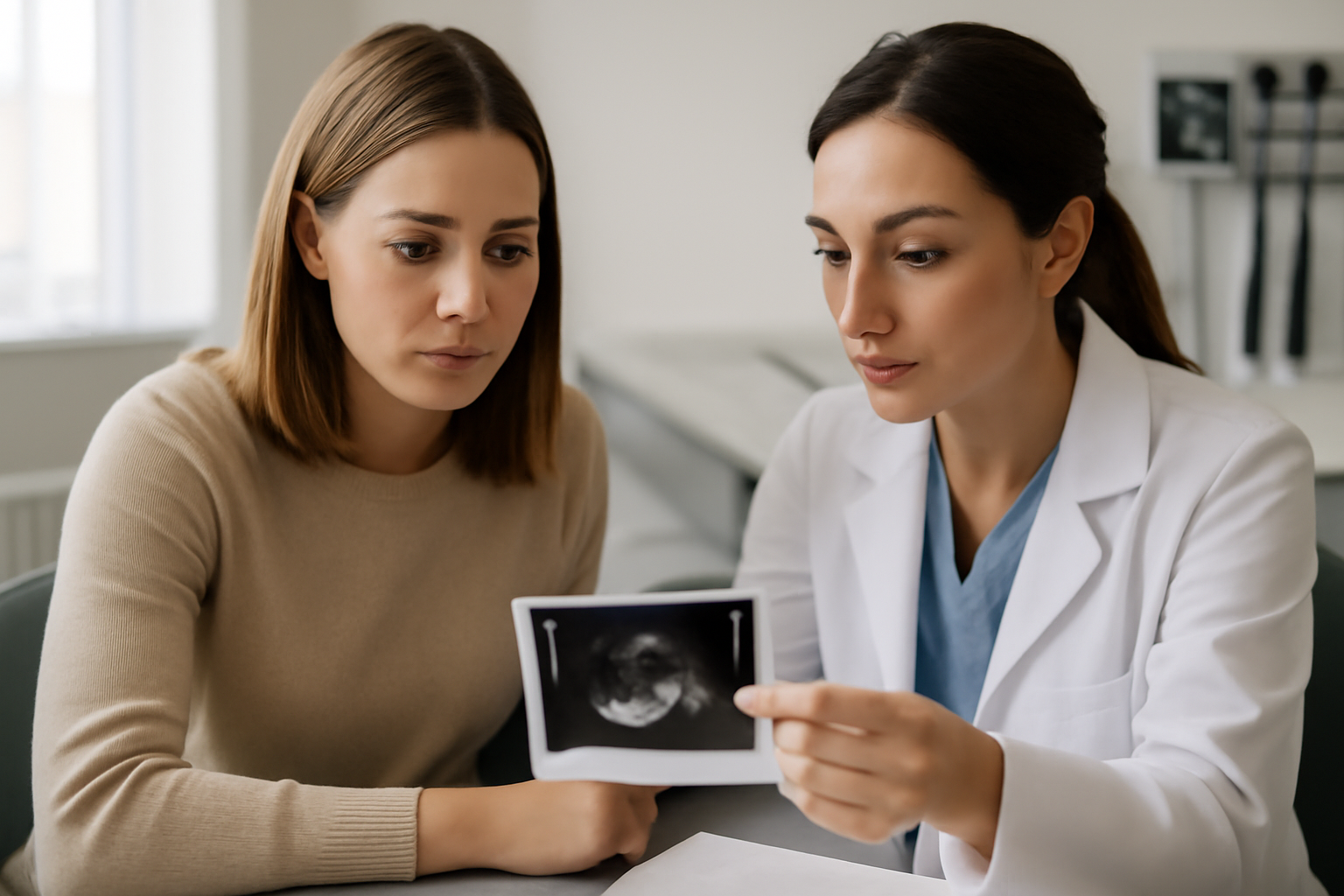
Clinicians assess risk by combining imaging with symptoms. Ultrasound is usually the first step to measure size and location. MRI may be used for complex cases or to map fibroids more clearly. Then treatment decisions factor in bleeding severity, anemia, pain, fertility goals, and whether fibroids distort the uterine cavity. If symptoms are mild and stable, monitoring may be reasonable.
In most cases, ultrasound is the starting point. It confirms fibroids, estimates size in centimeters, and identifies type (intramural, submucosal, subserosal). When anatomy is complicated—multiple fibroids, uncertainty about cavity involvement, or planning a procedure—MRI can provide a clearer picture.
After that, clinicians listen to your lived experience. Someone with mild bleeding and stable symptoms may be a candidate for watchful waiting and symptom-focused care. Someone with heavy bleeding, anemia, or escalating pressure symptoms may need treatment sooner. Follow-up timing often spans months, but you’ll be seen sooner if symptoms change quickly.
For patient-friendly guidance, see NHS information on uterine fibroids and NCBI Bookshelf on uterine fibroids.
If you’re also trying to understand how timing affects conception, you may find this helpful: What Does a Positive Ovulation Test Mean for Fertility?
FAQ
How big does a fibroid have to be dangerous?
There isn’t one universal “danger size.” Larger fibroids (often discussed around ~10 cm+) are more likely to cause pressure problems, but a smaller fibroid can be more concerning if it causes severe bleeding, anemia, rapid symptom progression, or significant cavity distortion.
What size of uterine fibroid causes the most bleeding?
Bleeding risk is driven more by fibroid location than by size. Submucosal fibroids (inside the uterine cavity) commonly cause the heaviest bleeding and anemia, even when they are not the largest fibroids on the scan.
Why do fibroids become more dangerous as they grow?
As fibroids enlarge, they can increase mass effect on the bladder, rectum, or pelvic nerves, worsening pain and pressure symptoms. Growth can also intensify bleeding, which may lead to iron-deficiency anemia and related complications.
When should I worry about fibroid growth rate?
Worry sooner if you notice a rapid change over weeks to months, or if symptoms escalate quickly (heavier bleeding, worsening pelvic pain, new urinary or bowel problems). Imaging trends and symptom progression together guide urgency.
How long can you wait to see a doctor for fibroid symptoms?
If symptoms are mild and stable, you may be able to schedule a routine appointment. If you have very heavy bleeding, fainting, shortness of breath, rapidly worsening pain, post-menopausal bleeding, or signs of urinary/bowel obstruction, seek urgent evaluation the same day.
Are fibroids ever cancerous, and does size increase that risk?
Most uterine fibroids are benign. Cancer is uncommon, and fibroid size alone does not reliably predict malignancy. Unusual symptoms—especially post-menopausal bleeding or rapid changes—should be assessed promptly, and clinicians use imaging and clinical context to evaluate further.
Key takeaways
- There’s no single “danger size” for fibroids—symptoms and location often matter more than diameter.
- Large fibroids (often discussed as ~10 cm or more) are more likely to cause pressure-related problems.
- Submucosal fibroids can be especially risky for heavy bleeding and anemia, even if they’re not the largest.
- Red flags include very heavy bleeding, fainting or shortness of breath, rapidly worsening pain, and post-menopausal bleeding.
- Doctors judge risk using ultrasound (and sometimes MRI) plus your symptom severity and goals (including fertility).
- If fibroids are growing quickly or symptoms are escalating, don’t wait—seek medical evaluation promptly.
- Treatment ranges from monitoring to medication or procedures; the best choice depends on size, location, and what you’re trying to protect.
If you’re still wondering what size of fibroid is dangerous, use this rule of thumb: let your symptoms, imaging type, and trend guide action—not just a centimeter number. When in doubt, ask a clinician to walk you through your ultrasound or MRI report. (Wouldn’t it be easier if it were one simple cutoff?)
And if you’re noticing bleeding changes while pregnant, see Can You Get Your Period While Pregnant? What’s Normal for helpful context.
1 commentaire sur « What Size of Fibroid Is Dangerous? A Practical Guide »