
Quick Take: A shorter-than-usual period can mean fewer bleeding days, a shorter menstrual cycle, or both. Stress, sleep changes, weight loss, intense exercise, and birth control can all shift hormone signals. If pregnancy is possible, take a home pregnancy test—short bleeding doesn’t rule it out. If the change repeats for 2–3 cycles or you notice red-flag symptoms, get checked.
| What changed? | What it may suggest |
| Fewer bleeding days | Hormone shifts, ovulation timing, contraception effects, stress |
| Shorter cycle length | Ovulation occurring earlier or cycle timing shifting |
| Short + lighter flow | Under-fueling, illness, perimenopause, thyroid changes, birth control |
| Unusual timing + pregnancy risk | Test for pregnancy; consider early loss or implantation spotting |
| Red-flag symptoms | Urgent evaluation (including ectopic pregnancy concerns) |
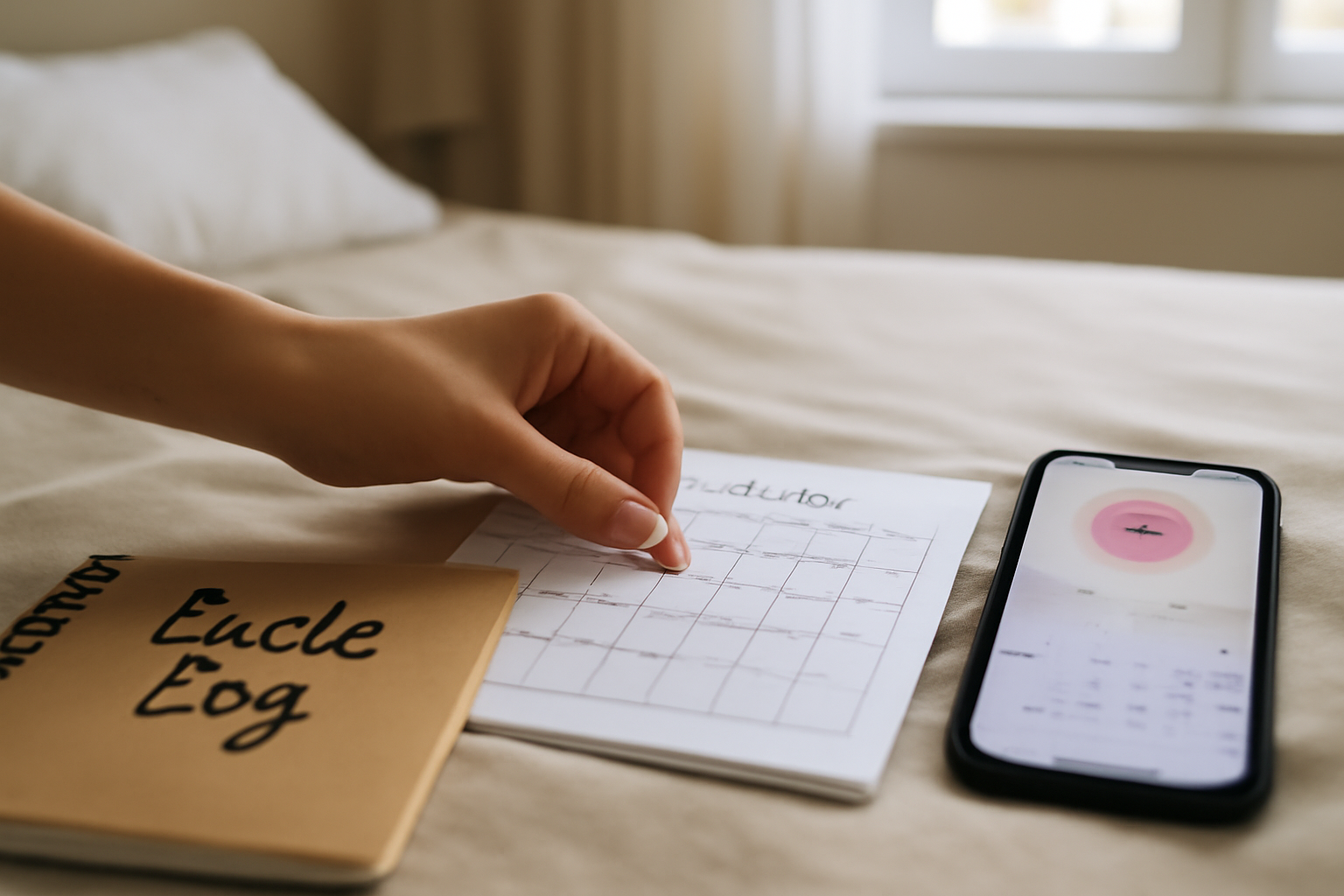
If your period feels shorter than usual, you’re not alone. “Why is my period so short this month?” is one of the most common questions people ask when their bleeding pattern shifts. Sometimes it’s harmless and temporary. Other times it points to pregnancy, hormone changes, or a medical issue—so it helps to pin down what actually changed.
Shorter menstrual bleeding vs. shorter cycle: what’s actually changing?
A “short period” can mean two different things: fewer days of bleeding, or a shorter menstrual cycle overall. Track both your cycle length (from day 1 to day 1) and your bleeding duration. If only the bleeding days changed, the causes may look different than if your cycle timing shifted—those clues often point to ovulation changes.
Shorter bleeding days usually means your uterine lining sheds for fewer days than your typical pattern. Many adults describe bleeding lasting about 2 to 7 days, but your personal baseline matters. (Yes, it can vary month to month.)
Shorter cycle length means fewer days between periods. Cycle length is often described as roughly 21 to 35 days for many adults. If your cycle suddenly drops below your usual range, it can reflect ovulation timing changes—even when bleeding days stay about the same.
Also pay attention to what comes with the change. Shorter bleeding can come with cramps, clots, spotting, or a lighter flow. Those details help separate “normal variation” from issues like pregnancy-related bleeding, anovulatory cycles, or thyroid-related changes.
Common lifestyle and hormone triggers that can make your period end sooner
Stress, travel, sleep changes, sudden weight loss, or intense exercise can shift hormone signals and shorten bleeding. Diet changes matter too—especially very low calorie intake—which can affect ovulation and the uterine lining. Birth control changes can also alter flow and cycle length, particularly with pills, injections, or hormonal IUDs.
Hormones don’t work in isolation. When your routine changes a lot, the brain-hormone “communication line” can shift too. Stress and sleep disruption are classic triggers; they can change when ovulation happens and how stable the uterine lining stays. The WHO’s menstrual health guidance notes that factors affecting overall health and hormonal pathways can influence menstrual patterns.
Weight and energy availability play a role as well. Sudden weight loss, intense exercise, or under-fueling can lower estrogen and disrupt ovulation. That often shows up as lighter bleeding, fewer bleeding days, or sometimes spotting instead of a full period.
Birth control can explain a “short period,” too. Many people on hormonal contraception have lighter bleeding, and in some cases spotting replaces a full bleed. The effect varies by method—pills, shots, implants, and hormonal IUDs don’t all change bleeding the same way. If you changed contraception recently, that’s an important clue.
- Stress/travel: can shift hormone timing and shorten bleeding.
- Sleep disruption: may affect cycle regularity and flow.
- Under-eating or rapid weight loss: can reduce uterine lining buildup.
- Intense exercise: can change ovulation timing.
- Birth control changes: often change bleeding days and flow level.
Pregnancy, early loss, and implantation-related spotting: when shorter bleeding is a warning sign
If pregnancy is possible, shorter or lighter bleeding can still happen—though true periods usually don’t occur during pregnancy. Implantation bleeding is typically light and brief, while early pregnancy loss can cause bleeding that may look like a period. If there’s any chance, take a home pregnancy test.
Bleeding that feels “off” compared with your usual period deserves attention when pregnancy is on the table. A short cycle, unusual spotting, or a lighter flow can show up early in pregnancy. It can also happen after an early pregnancy loss, where bleeding may mimic a period.
Implantation-related bleeding is often described as light and brief, but it’s not guaranteed. Some people never notice implantation bleeding at all. So you can’t confirm pregnancy status from bleeding pattern alone.
So, if you’re asking “why is my period so short this month” and you had any chance of pregnancy, test. Home pregnancy tests detect hCG in urine, and they typically turn positive around the time of a missed period, though timing varies. For testing details, see the CDC guide to pregnancy tests.
If your test is negative but symptoms persist or bleeding stays unusual, repeat testing and consider clinician follow-up—especially if your cycle timing is shifting.
Ovulation changes and anovulatory cycles: a frequent reason for a shorter period
Your period depends on ovulation and the hormone pattern that builds the uterine lining. If you ovulate later than usual—or not at all—you may get a shorter or lighter bleed. This can happen after stress, illness, travel, or hormonal fluctuations. Common clues include irregular timing, spotting, and changes from one cycle to the next.
Think of ovulation as the timing cue for your cycle. If ovulation happens later, the lining may build differently and shed sooner. If ovulation doesn’t occur (anovulatory cycle), hormone patterns can become uneven, which often leads to irregular or shorter bleeding.
Illness and major life events can disrupt ovulation. Aging-related hormone shifts can do it too. In the years leading up to menopause, ovulation becomes less predictable, and bleeding patterns often change—sometimes becoming shorter, lighter, or more irregular.
How do you spot ovulation changes? Look at timing (cycle length differences), flow (spotting vs. full bleed), and variation (a one-off change vs. repeated shifts). If you’re already tracking, you’re ahead of the game.
- Write down cycle start dates (day 1 to day 1).
- Count bleeding days separately from the cycle length.
- Note flow level (light/medium/heavy) and any spotting.
- Track cramps and clots (size and frequency, if relevant).
(A few minutes of tracking can prevent hours of guessing later.)
Perimenopause, thyroid issues, and other medical causes of shortened bleeding
As you approach menopause, cycles often become irregular. Periods can turn shorter, lighter, or more unpredictable. Thyroid disorders can also affect menstrual timing and flow by changing metabolism and hormone signaling. Other conditions (including uterine or ovarian issues) may contribute too. If the change keeps happening for multiple cycles or comes with concerning symptoms, it’s worth getting evaluated.
Perimenopause often starts in the 40s, though timing varies a lot. During this transition, ovulation becomes inconsistent, and that alone can change both cycle length and bleeding duration. Some months look “normal,” and other months don’t.
Thyroid problems are relatively common, and menstrual changes can be an early clue. An underactive or overactive thyroid can affect hormone signaling and cycle regularity. If your short period comes with fatigue, temperature sensitivity, sudden weight changes, hair changes, or palpitations, talk with a clinician about thyroid testing.
Other medical causes can also change bleeding patterns. Uterine conditions (like fibroids or polyps) and ovarian issues can affect bleeding volume and timing. The ACOG FAQ on irregular uterine bleeding explains why clinicians take new or persistent changes seriously.
If your pattern changes for more than one cycle, or you notice a steady trend toward shorter bleeding, it’s reasonable to get checked rather than normalize it.
When to see a clinician: red flags, testing, and what to expect
Get urgent care if you have heavy bleeding (soaking pads quickly), severe one-sided pelvic pain, fainting, or signs of ectopic pregnancy (pain plus bleeding, shoulder pain, dizziness). For non-urgent situations, contact a clinician if short bleeding repeats for 2–3 cycles, if you develop new irregular cycles, or if pregnancy is possible and tests are negative but symptoms persist. Expect a detailed history, pregnancy testing, and possibly bloodwork or an ultrasound.
Not every short period needs urgent care, but some symptoms are red flags. If you’re soaking through pads rapidly, feeling weak or faint, or having severe pelvic pain, don’t wait. Ectopic pregnancy is uncommon, but it’s serious—pelvic pain plus bleeding, dizziness, or shoulder pain needs immediate evaluation.
For non-urgent cases, clinicians often start with the basics: a pregnancy test when appropriate, a detailed history, and targeted evaluation. If irregular bleeding continues across multiple cycles (commonly 2–3), they may recommend bloodwork (for thyroid or other hormone-related issues) and sometimes an ultrasound to check the uterus and ovaries.
If you want a general overview of period changes and when to seek care, the NHS guidance on periods can help you compare typical patterns with concerning ones.
- Urgent: heavy bleeding, severe one-sided pain, fainting, ectopic pregnancy symptoms.
- Make an appointment: short bleeding repeats for 2–3 cycles, new irregular timing, pregnancy possible with negative tests but persistent symptoms.
- Prepare: bring a cycle log (cycle length, bleeding days, flow level, symptoms).
FAQ
How can my period be shorter this month but still be normal?
Shorter periods can be normal when the change is temporary and lines up with a likely trigger, such as stress, travel, sleep disruption, or a routine shift. If your cycle timing and bleeding go back to your usual pattern next month—and you don’t have red-flag symptoms—it’s often a benign variation.
Why is my period shorter than usual and lighter than normal?
Lighter, shorter bleeding often happens when ovulation timing changes or when your uterine lining builds less than usual. Common causes include stress, illness, under-fueling, weight loss, intense exercise, and hormonal contraception. If it keeps happening or you develop new symptoms, consider evaluation.
Could a short period mean I’m pregnant?
It can. True menstrual bleeding usually doesn’t occur during pregnancy, but lighter bleeding or spotting can happen with pregnancy, including implantation-related bleeding or bleeding after an early pregnancy loss. If pregnancy is possible, take a home pregnancy test.
When should I take a pregnancy test if my period is shorter?
If your cycle is late compared with your usual timing or the bleeding is unusual, test as soon as you would normally miss a period. Many people test around that time; if it’s negative and symptoms continue, repeat a few days later or follow clinician advice.
What does it mean if my cycle is shorter but my bleeding days are about the same?
That pattern can suggest ovulation timing changed without a major shift in how long your lining sheds. It may happen after stress, illness, travel, or hormonal fluctuations. Tracking cycle dates helps you tell whether it’s a one-off or part of a repeating pattern.
When should I worry about short menstrual bleeding?
Take it seriously if the change lasts for 2–3 cycles, if bleeding becomes more and more irregular, or if you have red flags like heavy bleeding, severe pelvic pain, fainting, or symptoms that could suggest ectopic pregnancy. When pregnancy is possible, testing is recommended even if bleeding is short.
Key takeaways
- First, figure out whether you have fewer bleeding days, a shorter cycle, or both—these point to different causes.
- Lifestyle shifts (stress, sleep disruption, weight loss, intense exercise) can shorten bleeding by affecting ovulation and hormones.
- If pregnancy is possible, take a home pregnancy test—short or light bleeding doesn’t rule pregnancy out.
- Anovulatory or late-ovulation cycles are a common reason for shorter periods, especially when cycles become irregular.
- If the change lasts for 2–3 cycles, or you’re in your 40s with new irregularity, consider perimenopause or thyroid-related causes and get checked.
- Go to urgent care for heavy bleeding, severe pelvic pain, fainting, or symptoms that could suggest ectopic pregnancy.
- Keep a simple log (cycle length, bleeding days, flow level, symptoms) to help you and your clinician spot patterns quickly.
One last practical tip: if you’re trying to answer “why is my period so short this month,” don’t rely on memory—measure it. Circle the day your bleeding begins, count the bleeding days, and note anything unusual. (It’s a small step that can calm a lot of worry.) That’s how you turn uncertainty into clarity.
Signature: Your body speaks in patterns—listen with data, not panic.
1 réflexion au sujet de « Why Is My Period So Short This Month? Common Causes »