
Quick Take: You can’t safely force a period on demand without hormonal medication, but you can support your cycle with practical, evidence-based habits.
If your period is late, start with pregnancy testing. Then focus on sleep, balanced meals, iron/energy, and gentle movement.
Be cautious with “period-starting” foods, high-dose vitamins, and herbal emmenagogues—some risks are real.
| Main idea | No guaranteed instant “how to get your period faster without pills” method—support + safety come first. |
| First step if late | Consider pregnancy testing (home test timing varies by brand). |
| Best pill-free supports | Sleep regularity, balanced meals/adequate calories, iron/vitamin D/folate, gentle movement, stress reduction. |
| Biggest risks | High-dose supplements, unverified herbs, and “trigger bleeding” attempts when pregnancy or red flags are possible. |
| When to get help | Severe pain, fever, heavy/unusual bleeding, persistent missed periods, or symptoms suggesting a condition. |
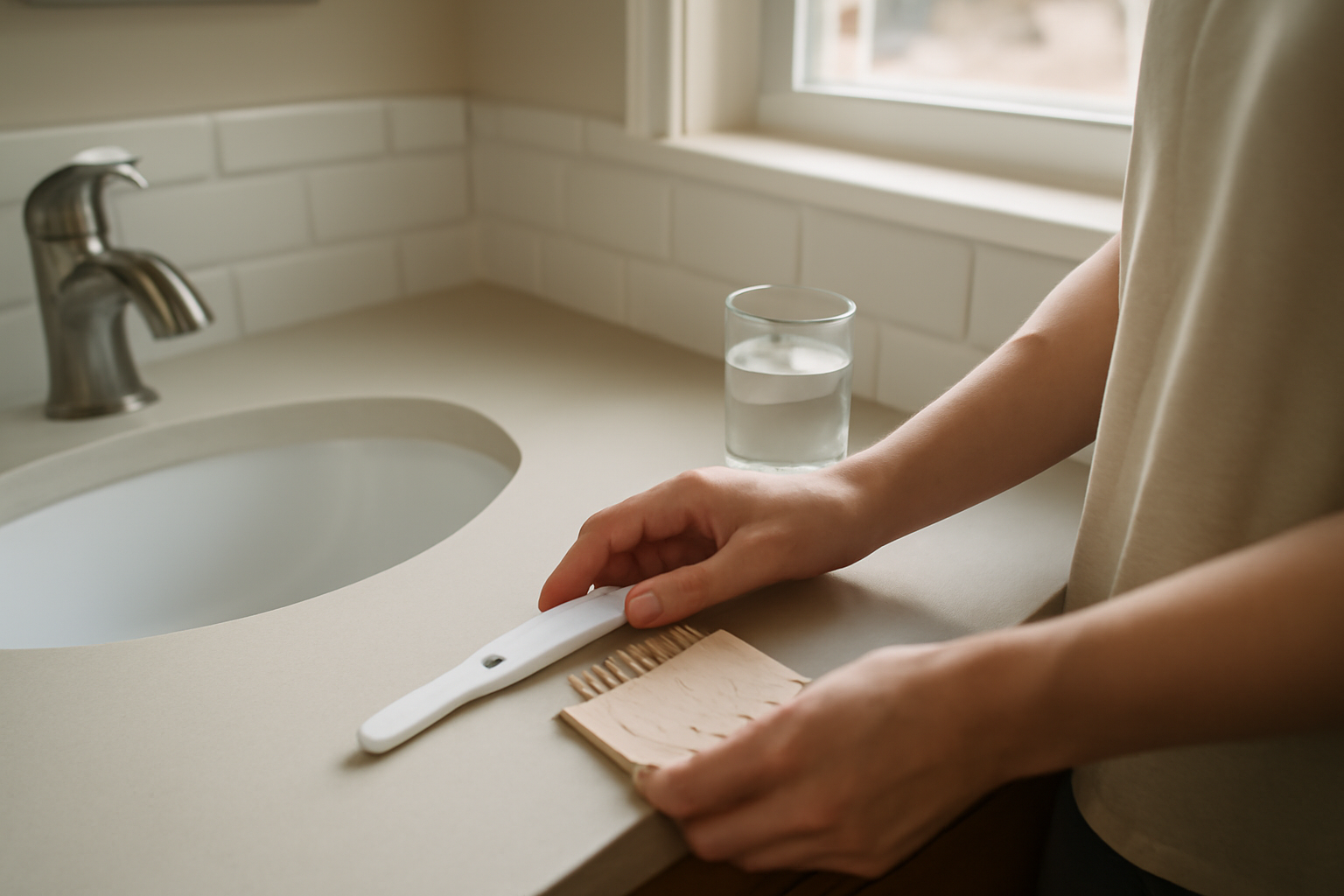
If you’re searching for how to get your period faster without pills, you’re not alone. Many people want relief quickly—especially when stress, travel, or sleep changes throw timing off. The catch is simple: your body doesn’t run on a “turn it on” switch. Still, you can often improve the conditions that help your cycle get back on track.
(And yes, some “instant” hacks online sound tempting. The safer move is knowing what’s plausible, what’s risky, and what to do next.)
What actually controls when your period starts (and why “faster” is limited)
A period starts when hormones signal the uterine lining to shed. Cycle timing varies naturally, and there’s no guaranteed safe way to make it happen “within hours” without hormonal medication. Tracking ovulation, stress, sleep, and body weight can help you spot why you’re delayed—and choose options that support your cycle over days, not instantly.
Your menstrual cycle is basically a hormonal relay. First comes ovulation (an egg is released). After ovulation, progesterone rises to stabilize the uterine lining. When progesterone drops—often after the body doesn’t sustain pregnancy—the lining sheds as withdrawal bleeding.
So when people say “faster,” they usually mean supporting a delayed cycle, not forcing bleeding on a precise schedule. Many clinical references describe cycles as often varying around ~21–35 days. If your timing shifts outside your usual range, it can point to what happened upstream—like ovulation being delayed—rather than the uterus “refusing” to bleed.
Ovulation timing and why irregular cycles change the story
If you have an anovulatory cycle (no ovulation), progesterone may not rise the way it usually does. That can lead to unpredictable bleeding—or no period for a while—because the “progesterone withdrawal” step never follows the normal pattern.
Common real-world triggers include stress and sleep disruption, both of which health guidance often links to cycle irregularity. Major changes in body weight or energy intake can also affect the hormones that govern ovulation.
- Timing window concept: after a missed ovulation, the next bleed may come later; before the next expected bleed, support habits may help over days.
- Pregnancy check is non-negotiable: if a period is late and pregnancy is possible, consider testing before trying to induce bleeding.
Safe, pill-free ways to support your cycle over the next few days
If your period is delayed, safer non-pill approaches focus on overall cycle support: consistent meals, adequate iron and calories, gentle exercise, and good sleep. Reducing major stress can also help. These steps won’t work for everyone, but they may improve the conditions your body needs for normal hormone signaling.
Think of it as “create the environment your hormones need.” You’re not forcing bleeding—you’re supporting your body’s rhythm. Start with what you can do today.
Nutrition basics: energy availability and micronutrients
Low energy availability—whether from dieting, nausea, intense training, or just a hectic schedule—can disrupt ovulation. Aim for consistent meals, and don’t skip key nutrients. Iron matters for oxygen transport and fatigue; low iron can leave you feeling run-down, which can indirectly worsen stress and sleep.
Micronutrients often mentioned in menstrual health discussions include iron, vitamin D, and folate. You don’t need detox trends—just balanced food and, if needed, clinician-guided supplementation rather than megadoses.
Gentle movement beats overtraining
Exercise can support stress reduction and sleep quality. But extreme workouts can do the opposite. Overtraining and low calorie intake are recognized contributors to menstrual irregularity in clinical literature. If you’re trying to improve cycle timing, choose gentle activity: walking, light cycling, yoga, or stretching.
Sleep regularity and stress reduction
Stress and poor sleep often show up alongside cycle changes. A practical approach: keep a steady wake time, limit late-night scrolling, and use quick downshifts—slow breathing, a short mindfulness practice, or a calming evening routine. (Small changes add up over a few days.)
When to stop trying and reassess
If you’ve done the basics and your period still doesn’t arrive, don’t jump straight to risky strategies. Recheck your symptoms, confirm pregnancy status if relevant, and consider medical advice if delays persist or new symptoms appear.
- Test for pregnancy if pregnancy is possible.
- Keep sleep, meals, hydration, gentle movement consistent for a few days.
- If delay continues or symptoms worsen, contact a clinician rather than trying “stronger” home methods.
Foods, vitamins, and “emmenagogues”: what’s plausible vs. what’s a myth
Some foods and supplements are popular for “starting a period,” but strong evidence is limited. Vitamin C gets mentioned a lot, yet it’s not proven as a reliable, safe way to induce menstruation. “Emmenagogues” (herbal products) can interact with medications and may be unsafe in pregnancy or with certain conditions. Stick to balanced nutrition and avoid high-dose supplements.
Online claims move fast, but your body needs more than viral tips. Many “period-starting” foods are harmless in normal dietary amounts—still, they’re not dependable tools for inducing bleeding. Why gamble when you can focus on safer support?
Vitamin C: a common claim with limited proof
Vitamin C is often suggested because it’s involved in many body processes and shows up in forum stories. The problem: reliable evidence that vitamin C can reliably start a period isn’t established. High-dose vitamin C can also cause stomach upset and may exceed recommended upper limits.
If you want to optimize nutrition, use food sources and follow label directions. For supplements, consider asking a clinician—especially if you have kidney issues, take medications, or are pregnant (or could be).
Pineapple, ginger, parsley, and other “emmenagogue” foods
Pineapple, ginger, parsley, and similar ingredients are common in DIY lists. They may offer general health benefits, but they’re not proven to trigger menstruation on cue. The more you rely on them to “force bleeding,” the more you risk missing the real issue—like pregnancy, thyroid problems, PCOS, or stress-related ovulation delay.
Herbal emmenagogues: higher uncertainty, higher risk
“Emmenagogue” herbal products vary widely in what they contain and how much is in each dose. That uncertainty raises risk. They can interact with medications and may be unsafe if pregnancy is possible. Because menstrual timing can overlap with early pregnancy, avoid anything marketed specifically to “bring on bleeding” when you might be pregnant.
Safer alternative: correct deficiencies, don’t gamble
If you suspect a deficiency, use a targeted approach. Balanced meals first; then consider lab testing and clinician-guided supplementation when appropriate. That’s far safer than megadosing supplements in hopes of inducing a period.
For broader menstrual health context, you can review guidance from WHO on menstrual health and NHS information on periods and health.
Exercise, sex, and orgasms: can they trigger bleeding—and when not to try
Exercise and orgasm may influence pelvic blood flow and uterine contractions, but they’re not proven to reliably start a period. If your delay could be pregnancy, or you have heavy bleeding, severe pain, or a known reproductive condition, “trying to trigger bleeding” isn’t a safe strategy. Use gentle activity for wellbeing, and prioritize pregnancy testing and medical advice when needed.
Physical triggers can change how you feel in the short term. What they can’t do—reliably—is override the hormone chain that determines whether shedding happens. So if your goal is how to get your period faster without pills, treat exercise and orgasm as wellbeing activities, not dependable induction methods.
What you might notice vs. what you can’t count on
Some people report spotting after sex or noticing cramps after orgasm. That can be symptom-related, not cycle-starting. Even if you see short-term changes, the timing still depends on whether ovulation and progesterone shifts actually happened.
Safety checks before “trying”
Before you treat exercise or sex as a period-induction plan, consider pregnancy possibility. If pregnancy could be in the picture, a “trigger bleeding” attempt may delay care. Also, if you have severe pain, unusual discharge, or a history of reproductive conditions, get medical advice instead of experimenting.
- Pregnancy possible? Test first.
- Severe pain or heavy bleeding? Skip home triggering and seek care.
- Only mild discomfort? Keep it gentle and focus on cycle support habits.
Clinical guidance generally emphasizes that hormonal methods are the reliable way to change timing. For more on irregular periods, see ACOG’s FAQ on irregular periods.
When a delayed period is a warning sign: red flags and when to seek care
A late period can be normal, but you should seek medical advice if you have very irregular cycles, miss periods repeatedly, have severe pelvic pain, unusual discharge, or symptoms like fever. If pregnancy is possible, test first. If you’re not pregnant and the delay persists, a clinician can look into causes such as thyroid issues, PCOS, stress-related anovulation, or other conditions.
Not every delay needs a clinic visit. Still, certain symptoms deserve attention because home “induction” attempts could hide what’s actually going on.
Red flags that shouldn’t wait
Contact a clinician promptly if you notice any of these:
- Severe pelvic or abdominal pain (especially one-sided or worsening)
- Heavy bleeding (soaking pads quickly or passing large clots)
- Fever or feeling very unwell
- Fainting, dizziness, or signs of dehydration
- New or unusual discharge or strong odor
How late is too late?
There’s no single universal threshold that fits everyone, because cycle length varies. A practical approach: if your period is late and pregnancy is possible, test. If pregnancy is ruled out and the delay keeps happening, or you’re missing periods repeatedly, book an appointment rather than waiting indefinitely.
Many health services advise contacting a clinician when periods are missed and pregnancy has been ruled out or delays persist. For general context, see NHS on periods and health.
What clinicians may evaluate
Depending on your history, a clinician may assess thyroid function, screen for PCOS, review stress and weight changes, and consider other causes of menstrual irregularity. If STI risk is relevant (based on discharge, pain, or sexual history), testing may be recommended.
If you’re using contraception or recently changed it, factor that in too. For contraception background and reproductive health resources, the CDC contraception overview can help you understand how methods influence bleeding patterns.
A practical 7-day plan to try safely (and how to track results)
For a delayed period, use a short, safe experiment: days 1–2 test for pregnancy if relevant, then focus on sleep regularity, balanced meals, hydration, and gentle exercise. Days 3–5 reduce stress with daily relaxation and avoid extreme workouts or megadoses. Days 6–7 reassess symptoms; if no period and the delay continues, contact a clinician for evaluation rather than escalating unproven methods.
This plan is built for safety and clarity. It also helps you avoid the frustration of trying multiple “period-starting” tactics without a decision rule.
Day 1–2: confirm pregnancy status and stabilize basics
If pregnancy is possible, take a home pregnancy test. Timing can vary by brand, but many people test around the day of a missed period. If it’s negative and your period still doesn’t arrive, you may need repeat testing after several days.
Then lock in stable routines: consistent sleep windows, regular meals with enough calories, hydration, and gentle movement. If you’ve been skipping meals or pushing intense workouts, adjust now.
Day 3–5: stress downshift and avoid extremes
Pick a daily stress-reduction practice you can actually stick with: 5 minutes of slow breathing, a short mindfulness session, a warm shower, or a relaxing walk. Cut back on “high-stakes” behaviors—no megadoses, no risky herbal products intended to “force bleeding,” and no sudden jump into extreme training.
Also watch for symptom patterns. Mild cramps, bloating, breast tenderness, or spotting can be useful clues. They don’t guarantee a period, but they help you track what’s happening.
Day 6–7: reassess, track, and decide next steps
By the end of the week, you should have enough information to decide. If your period still hasn’t come and pregnancy is ruled out (or you’ve tested appropriately), it’s time to contact a clinician. Escalating unproven methods can waste time and distract from the real cause.
How to track results (simple and effective)
Use a quick log. You’re looking for trends, not perfection.
- Calendar: mark the first day you expected your period and the days you tested.
- Symptoms: cramps (0–10), discharge changes, spotting (yes/no), headaches, sleep quality.
- Energy and training: note workout intensity and whether you ate enough.
- Pregnancy tests: date and result.
If you want to understand what “irregular” can mean clinically, ACOG’s overview on irregular periods is a good starting point.
FAQ
How can I get my period sooner without pills, and is it really possible?
You can’t safely guarantee an instant period without hormonal medication. The safest pill-free approach is to support your cycle over days with consistent sleep, balanced meals (including adequate calories and iron), gentle exercise, and stress reduction. If pregnancy is possible, test first because delaying bleeding attempts can be risky.
What’s the safest way to trigger bleeding if my period is late?
The safest step is to rule out pregnancy first (home test if relevant). If the pregnancy test is negative and the delay persists, the safest “next step” is medical evaluation rather than trying to trigger bleeding at home with herbs or high-dose supplements. Severe pain, heavy bleeding, fever, or unusual discharge are reasons to seek care promptly.
Why do some people say vitamin C brings on their period, and what does the evidence say?
Vitamin C is widely discussed online, but reliable evidence that it can reliably induce menstruation is limited. It may not work as a dependable method, and high doses can cause side effects or exceed recommended limits. If you want to address nutrition, focus on balanced intake and clinician-guided supplementation when needed.
When should I take a pregnancy test if my period doesn’t come?
If your period is late and pregnancy is possible, take a home pregnancy test around the day of a missed period (timing varies by brand). If the first test is negative but your period still doesn’t come, repeat testing after several days. If you have concerning symptoms, seek medical advice sooner.
How many days of a late period are still considered “normal” before I should see a clinician?
There’s no single universal number, because cycle length varies. If pregnancy is possible, test first. If pregnancy is ruled out and the delay continues, or you miss periods repeatedly, contact a clinician. Also seek care immediately for red flags like severe pain, fever, heavy bleeding, fainting, or unusual discharge.
Can exercise, sex, or orgasm really make a period start?
Exercise, sex, and orgasm may affect pelvic blood flow and can change how you feel, but they’re not proven to reliably start a period. If pregnancy is possible, test first. If you have severe pain, heavy or unusual bleeding, or other concerning symptoms, don’t try to trigger bleeding at home—get medical advice.
Key takeaways
- There’s no guaranteed safe way to start a period instantly without hormonal medication—focus on supporting your body instead.
- Track ovulation timing and symptoms so you can tell a normal delay from a potential medical issue.
- Use a short, safe routine: consistent sleep, balanced meals, hydration, and gentle exercise—avoid extreme training.
- Be skeptical of “period-starting” foods and supplements; evidence is limited and high doses can be risky.
- If pregnancy is possible, test early and don’t use herbs or megadoses to “force” bleeding.
- Seek medical care for severe pain, heavy or unusual bleeding, fever, or persistent missed periods.
- If your period doesn’t come after a reasonable delay and pregnancy is ruled out, get evaluated rather than escalating unproven methods.
Bottom line: when you’re trying how to get your period faster without pills, the fastest “win” is usually safety plus smart cycle support—test for pregnancy, stabilize sleep and meals, move gently, and avoid risky herbs or megadoses. If the delay persists or your symptoms raise red flags, let a clinician help you find the real cause.
If you’re also dealing with intense worry that can affect sleep and routines, you may find What Does Overthinking Do to Your Body? Effects Explained helpful as you plan stress reduction.
And if you’ve noticed spotting with no period, this related read—Small Blood Clot When I Wipe No Period: What It Means—can help you think through possible explanations and when to get checked.