
Quick Take
- Do periods stop in the bath? No. Bleeding is cycle-driven; water mostly changes how it looks.
- Why it can look lighter or heavier? Relaxation, posture, and gravity when you stand up can shift what’s visible.
- Is it safe? A clean tub is usually fine. The bigger risks come from dirty water, very long soaks, or using products the wrong way.
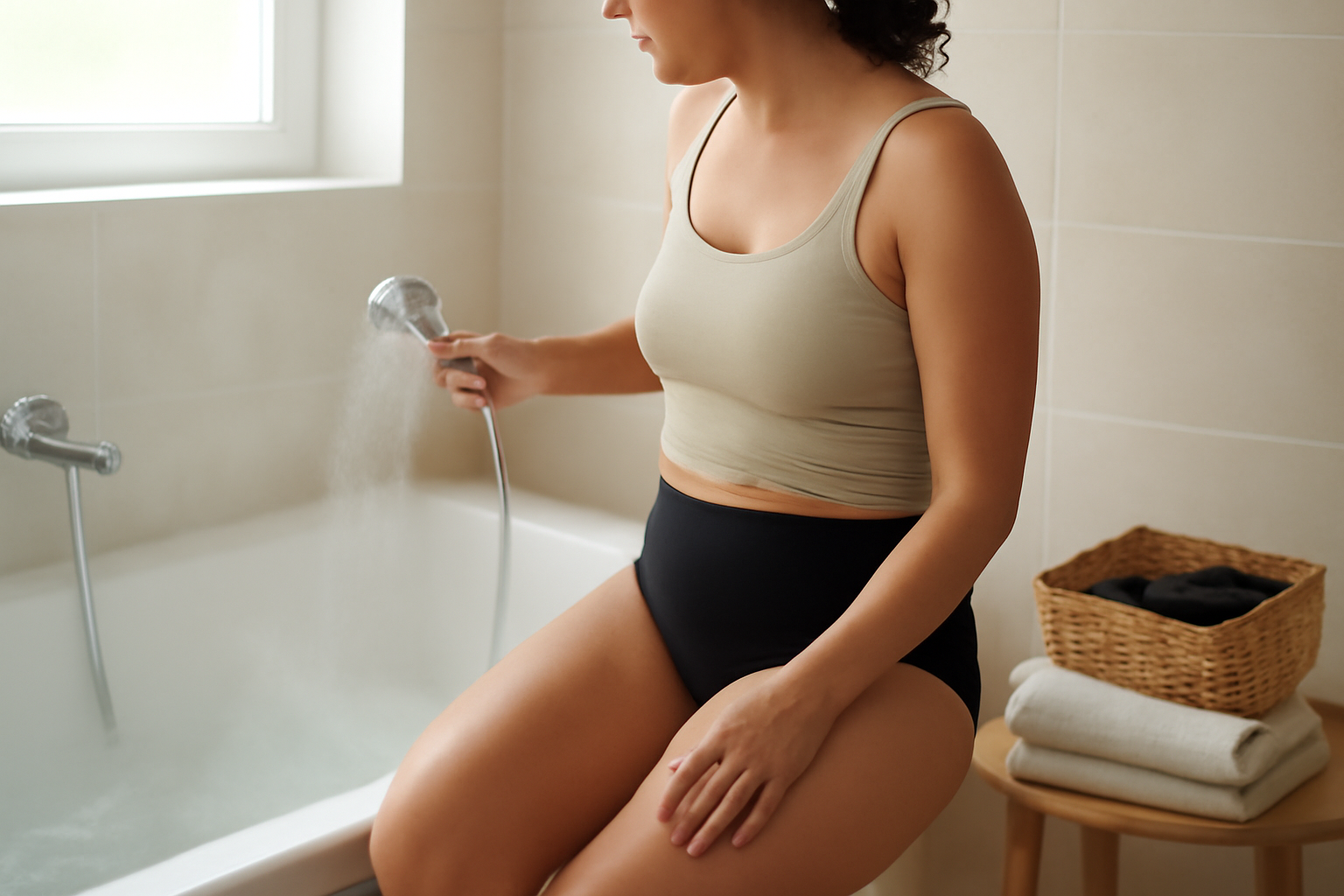
If you’re wondering do periods stop in the bath, you’re definitely not the only one. A lot of people expect bleeding to “pause” the second they get in—then worry it will “restart” later. Here’s the key point: the bath doesn’t pause your menstrual cycle. What changes is usually visibility and how blood moves in water.
Menstrual bleeding follows a hormone-driven timeline and shedding of the uterine lining. Depending on timing, body position, and gravity, flow can look lighter, heavier, or just messier—without anything being medically wrong. (And yes, it can be weirdly stressful the first time you notice it.) Let’s break down what to expect, how to bathe more comfortably, and when it’s worth checking in with a clinician.
Does menstrual flow stop when you’re in the bath or shower?
No—period blood doesn’t automatically stop just because you’re in a bath or shower. Menstrual bleeding is driven by your cycle and the shedding of the uterine lining. Water may make flow seem lighter or less noticeable, but that’s typically a temporary effect of gravity, muscle relaxation, and how blood mixes with bath water.
Bleeding doesn’t switch off because you’re wet or submerged. Your uterus and hormones are the main drivers. When you sit or lie down, blood may not exit the vagina as visibly, so it can appear reduced.
Many people notice that flow looks different after they stand up. Often, it’s the “stand-up effect”: gravity returns, and any pooled blood can move out once you’re upright. It may feel like your period restarted, but it’s usually just a change in what’s visible.
Cycles also vary day to day. Even without bathing, it’s common for flow to be lighter on some days and heavier on others. If you’re tracking your period in 2025–2026, you’ll likely see that variability is normal for many bodies.
Why the bath can change what you notice (and when it may seem heavier)
In a bath, your body relaxes, and blood can pool differently. When you first get in, flow might slow temporarily; then, when you stand up and gravity kicks back in, you may notice more blood leaving the vagina. Some people also experience a “flush” effect after sitting or lying down for a while, which can make the bath seem messier.
Relaxation matters. During a warm soak, pelvic muscles may loosen, which can reduce how much bleeding looks like it’s happening while you’re seated or lying down. That doesn’t mean your period has stopped—just that outward flow can be less noticeable.
Position is another big factor. In the tub, you’re often more horizontal or semi-horizontal. Blood can spread out and mix with bath water, so it’s harder to see. Then, when you stand, a more vertical position can make movement easier to notice.
It’s also normal to have day-to-day changes that have nothing to do with bathing. Many people see heavier flow at certain times and lighter flow at others—even if they skip baths entirely. (Your period doesn’t follow a “one-size-fits-all” schedule.)
If you’re trying to calm anxiety, focus on patterns instead of one moment. A bath can temporarily change what you see, and it’s okay if your flow looks different right after you get out.
Hygiene reality check: can you soak safely, and what about infection risk?
Soaking in a clean tub is generally safe for most people during menstruation. The main hygiene risks come from dirty water, long soaks, or leaving soiled products in place. Menstrual blood isn’t the same thing as an infection. If you have symptoms like fever, foul odor, or severe pain, get medical advice.
Menstrual blood itself doesn’t “create” an infection. The vagina is designed to handle normal menstrual flow. The bigger concern is hygiene conditions: a dirty tub, bacteria in contaminated water, or prolonged exposure to soiled products.
Keep expectations realistic. If you have a clean bathroom routine, a typical bath is usually fine. If you’re soaking for a long time, consider shortening the soak and rinsing off afterward to reduce contact time with bath water.
If you use a tampon or menstrual cup, follow product-specific guidance. Some items are designed for swimming and water exposure, while others need extra caution. When in doubt, check the label for maximum wear time and any water-use instructions.
Red flags aren’t “typical period discomfort.” Fever, worsening pelvic pain, and unusual or foul odor aren’t standard period symptoms. Those signs can point to an infection or another cause, and a clinician should evaluate them.
For general menstrual health guidance, see trusted medical resources like the NHS overview of periods and the WHO menstrual health topic page.
Best practices for bathing on your period (to reduce mess and stay comfortable)
To reduce mess, keep the bath water clean and consider a shorter soak. You can put a towel down, use a detachable shower head to rinse, and wash your hands before and after changing products. If you wear period underwear or a pad, you’ll usually need to change it before or after bathing. For comfort, use warm water and gentle cleansing.
Start with a quick “before you get in” checklist. Use a clean tub, run fresh water, and keep soak time reasonable. Warm water can ease cramps for many people, but comfort varies—choose what feels right for your body.
During the bath, keep it simple. If visibility worries you, warm water can help (it often feels better), and you can relax. You don’t need to scrub internally or try to “stop” bleeding. Your goal is comfort and basic cleanliness.
After the bath, rinse off and change products if needed. If you wear a pad or period underwear, you’ll typically replace it after bathing because it can become saturated or not sit properly once you’re out of the water.
For cleansing, stick to gentle external hygiene only. Avoid harsh internal rinsing or douching. Your reproductive tract has its own natural protective balance, and disrupting it can increase irritation.
Tip: if you’re prone to cramping, try a slightly warmer bath and keep it shorter. Less time in the tub can also mean less mixing of blood with bath water—something many people find reassuring.
Bathing with products: pads, tampons, menstrual cups, and period swimwear
Pads don’t work in bath water because they absorb and can become saturated. Tampons can be used for some water activities depending on the product and timing, but you should follow the label for maximum wear time. Menstrual cups may be used by some people for bathing or swimming, again depending on comfort and product guidance. Period swimwear is designed for water and can reduce mess.
Know what each product is meant to do. A pad absorbs fluid on the outside of the body. In water, that absorption can become messy and less effective, and the pad may shift.
Tampons are designed to absorb menstrual fluid inside the vagina. Some people use tampons for swimming or bath time, but you must follow manufacturer instructions—especially maximum wear time. Going beyond the recommended time increases complication risk.
Menstrual cups are water-compatible for some users, but comfort and fit matter. If you’re using a cup, make sure you can remove and clean it safely afterward. Always follow the product’s guidance for water exposure and hygiene.
Period swimwear is often the easiest option for soaking or swimming. It’s built to hold menstrual fluid in water and reduce visible mess. If you want a low-stress backup plan, swimwear can be a practical choice.
If you want extra clinical context on menstrual health, the ACOG FAQ on your period is a helpful reference for what’s typical and what isn’t.
When to avoid bathing or get medical advice
Consider medical advice if you have heavy bleeding (for example, soaking pads unusually fast), severe or worsening pelvic pain, fever, or symptoms like a strong foul odor. These can suggest causes beyond a typical period. If you’re unsure whether your flow is “normal for you,” track bleeding patterns and discuss them with a clinician.
Periods vary, but some symptoms shouldn’t be treated as “just menstruation.” Heavy bleeding can be clinically concerning when it leads to dizziness, fatigue, or frequent pad/tampon changes faster than expected for you.
Severe pain that’s worse than your usual cramps, pain that keeps escalating, or pain paired with fever can point to issues like infection or other gynecologic conditions. In those cases, bathing won’t fix the underlying problem.
Unusual odor is another clue. A strong foul smell isn’t typical for many periods. It can be a sign of infection or another cause that needs assessment.
If you have very severe pain, fainting, or signs of infection, seek urgent care. If you’re unsure, tracking your cycle and symptoms helps clinicians understand your baseline and what changed.
For broad public health information on menstruation and health, you can also review resources from the CDC on menstruation.
Key takeaways
- Periods don’t stop because you’re in the bath—bleeding is cycle-driven, though it may look different in water.
- Flow can look lighter while you’re seated or relaxed, then look heavier after you stand up.
- Clean bath water and reasonable soak time matter most for hygiene; menstrual blood itself isn’t an infection.
- Pads generally aren’t suitable for soaking; follow product instructions for tampons/cups or use period swimwear.
- Use gentle external cleansing and avoid harsh internal rinsing or douching.
- If you have fever, foul odor, severe pain, or unusually heavy bleeding, seek medical advice.
FAQ
How can I tell if my flow stopped in the bath—or if it will come back?
Look at the pattern across your whole day, not just one moment. In many people, bleeding appears lighter while seated or lying in the tub, then becomes more visible after standing up. If you notice flow returning when you get out, that’s often the gravity “stand-up effect,” not a cycle reset. If bleeding is dramatically different from your usual pattern or you feel unwell, consider speaking with a clinician.
What’s the real infection risk when you bathe during your period?
The main infection risk comes from hygiene factors: dirty bath water, long soaks, or leaving soiled products in place. Menstrual blood is not the same as infection. With a clean tub, reasonable soak time, and gentle external hygiene, bathing is generally safe for most people. Get medical advice if you have fever, worsening pelvic pain, or a strong foul odor.
Why does the blood seem heavier when I get out of the tub?
When you’re in the bath, you’re often more relaxed and in a position where blood may pool and mix with water, making it less visible. When you stand up, gravity returns and any pooled blood can move out, so you may notice more blood. This change in visibility is common and usually not a sign that your period “restarted.”
When should I change a tampon or menstrual cup after a shower or bath?
Follow the product label for maximum wear time. If your tampon or cup has reached its recommended limit, change it after bathing. If it’s still within the allowed time, you may remove and rinse it as needed for comfort and hygiene. If you’re using a cup or tampon specifically during water exposure, make sure you can remove it safely and clean it properly afterward.
How long can you stay in the bath during your period without hygiene problems?
There’s no single universal time limit, but shorter soaks generally reduce the chance of blood mixing extensively with bath water. A practical approach is to keep the soak comfortable and not excessively long, then rinse afterward and change any external products. If you’re prone to irritation or you’re using products that require extra care, choose a quicker bath and maintain strict cleanliness.
Do pads, tampons, or period underwear work in the water?
Pads generally don’t work in bath water because they absorb and can become saturated. Tampons can work for some water activities depending on the product and timing, but you must follow maximum wear time instructions. Menstrual cups may work for some people for bathing or swimming depending on product guidance and comfort. Period swimwear is designed for water and often reduces mess more reliably.
So, to answer the core question: do periods stop in the bath? No. Your period follows your hormone-driven cycle, and the bath mainly changes what you can see. If you keep the tub clean, use a reasonable soak time, choose the right products, and watch for red-flag symptoms, bathing during your period can be safe and comfortable.
If you’re also dealing with other health concerns around your cycle, you may find it useful to review our guidance on how often to book an annual checkup and what to discuss with a clinician.