
An enlarged uterus can happen for a lot of reasons. Many are benign—fibroids, adenomyosis, polyps—or related to hormones and pregnancy.
When people ask what causes enlarged uterus in women, the answer usually comes down to three practical clues: how the bleeding behaves, when pain shows up, and whether menopause has happened.
Postmenopausal bleeding is a red flag. If it happens, it needs prompt evaluation so doctors can rule out precancer or cancer.
| Most common benign causes | Fibroids, adenomyosis, endometrial/uterine polyps |
| Key clue | Bleeding pattern (heavy, prolonged, irregular, or postmenopausal) |
| First-line test | Transvaginal ultrasound |
| When biopsy may be needed | Concerning bleeding or higher-risk profiles |
| Urgent red flags | Postmenopausal bleeding, severe heavy bleeding, fever with pelvic pain |
| Normal scenario | Pregnancy (and postpartum uterine involution) |
An enlarged uterus can feel scary, but the cause is often identifiable—and many causes are treatable. If you’re trying to figure out what causes enlarged uterus in women, start with the simplest question: does the enlargement fit a benign growth, a hormone-related pattern, or pregnancy? Symptoms and timing usually point the way, even when imaging is part of the process.
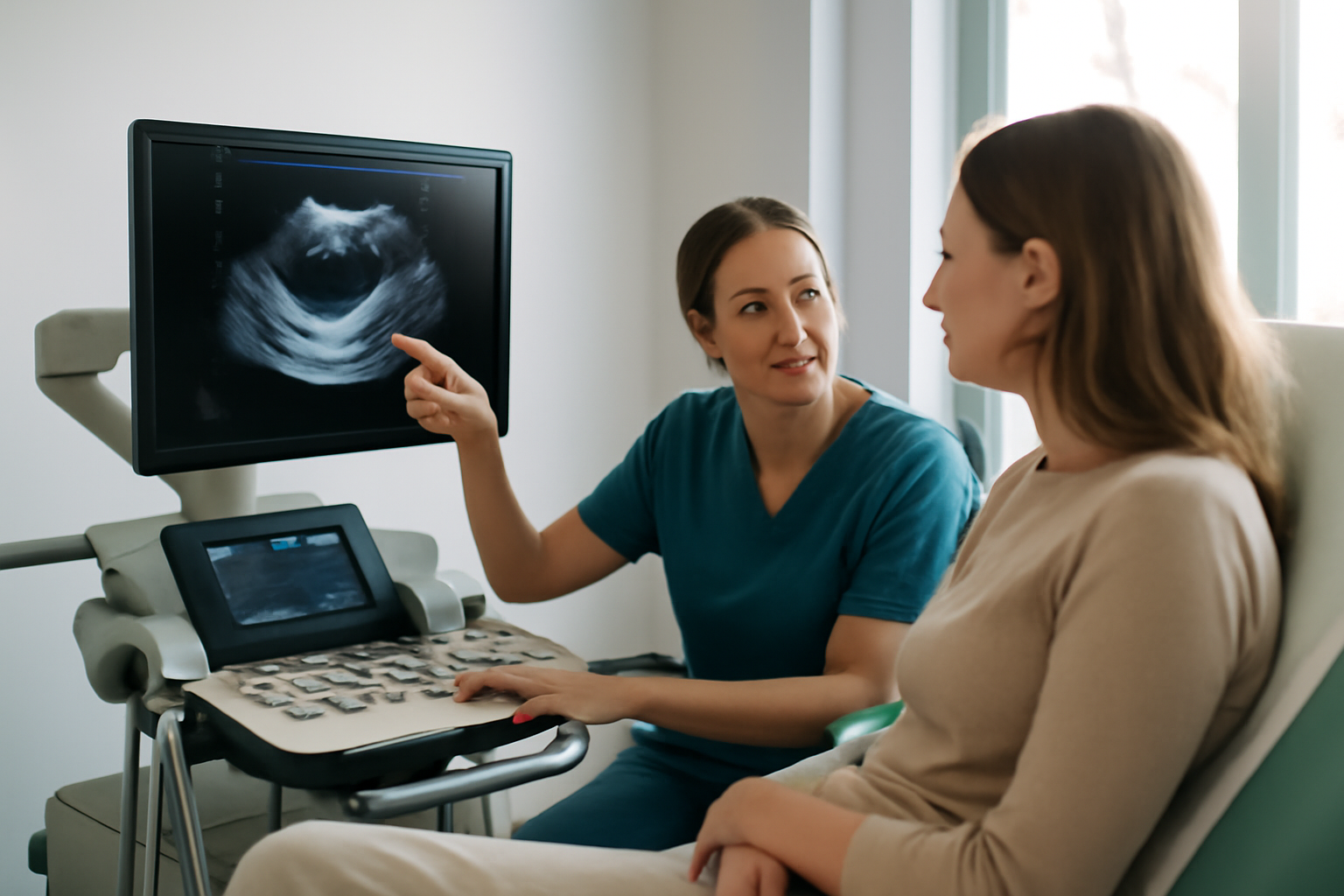
Common benign causes of uterine enlargement (fibroids, adenomyosis, polyps)
Most non-cancer causes of an enlarged uterus fall into a few buckets: uterine fibroids (benign muscle tumors), adenomyosis (tissue similar to the uterine lining growing inside the uterine muscle), and endometrial or uterine polyps. These conditions often show up as heavy or prolonged periods, pelvic pressure, pain during periods, and a sense of fullness low in the abdomen. (It’s not unusual to feel like something is “off,” even before you have a diagnosis.)
Fibroids are one of the most common reasons people notice uterine enlargement. They can grow in different places—intramural (within the uterine wall), submucosal (into the uterine cavity), or subserosal (on the outer surface). Size and location matter, especially for bleeding and pressure symptoms.
Adenomyosis often causes painful, heavy periods and ongoing pelvic pain. Instead of forming a single, clear lump, lining-like tissue spreads into the uterine muscle. That can make the uterus feel enlarged and tender—and for many people, symptoms gradually worsen over time.
Polyps and a thickened uterine lining can also change bleeding and contribute to a bulky or enlarged uterus on imaging. Polyps are usually benign, but they can still cause irregular bleeding, spotting, and persistent changes that don’t just “go away.”
Quick context: fibroids are common in reproductive-age women, and pelvic ultrasound is often the first step to evaluate them and adenomyosis.
- Fibroids can enlarge the uterus and may be intramural, submucosal, or subserosal.
- Adenomyosis commonly causes painful, heavy periods and chronic pelvic pain.
- Polyps and thickened lining can contribute to bleeding changes and uterine enlargement.
Hormonal and ovulation-related conditions that can enlarge the uterus
Hormone shifts can change the uterine lining and contribute to uterine enlargement. When ovulation is irregular, the lining can build up in ways that lead to abnormal bleeding. Endometrial hyperplasia from unopposed estrogen is one example, and some ovarian conditions can be involved too. The bleeding pattern—irregular, prolonged, or very heavy—often helps clinicians narrow the likely hormonal cause.
Unopposed estrogen can thicken the endometrium (the uterine lining) and raise the risk of hyperplasia. When ovulation doesn’t happen regularly, progesterone may be lower, so the lining may accumulate and then shed unpredictably. That’s one reason abnormal bleeding is such a key clue.
PCOS and other ovulation-related conditions can indirectly increase the chance of endometrial overgrowth by affecting cycle regularity. People may notice fewer periods, longer gaps, or unexpected heavy bleeding. Clinicians interpret these patterns alongside ultrasound findings.
Abnormal uterine bleeding is a common reason people come in for evaluation. If bleeding is abnormal, transvaginal ultrasound can check endometrial thickness and guide next steps.
Pregnancy and postpartum changes: when a larger uterus is normal
During pregnancy, the uterus enlarges as the fetus grows. After delivery, it gradually returns toward its pre-pregnancy size. If uterine enlargement is suspected in someone who could be pregnant, the first step is usually a pregnancy test. After childbirth, persistent or worsening bleeding, fever, or severe pain should be checked quickly.
Pregnancy is the most common “normal” explanation for uterine enlargement. Pressure sensations, mild cramping, and changes in bleeding can overlap with other conditions—so it’s worth confirming pregnancy early rather than guessing.
In the weeks after birth, the uterus involutes, often discussed as roughly 4–6 weeks. Still, postpartum symptoms can signal complications. Severe heavy bleeding or fever, in particular, shouldn’t be brushed off.
Early pregnancy can sometimes be mistaken for fibroids when symptoms overlap, like pelvic pressure or bleeding changes. That’s why clinicians start with pregnancy risk when the story fits.
Cancer and precancer: red flags that require urgent evaluation
Many causes of an enlarged uterus are benign, but some cancers or precancers can show up with uterine enlargement and abnormal bleeding. Red flags include postmenopausal bleeding, bleeding that continues after menopause, unexplained weight loss, and worsening pelvic pain or pressure. Doctors may recommend endometrial sampling (biopsy) and imaging to rule out malignancy.
Postmenopausal bleeding is one of the most important warning signs. If bleeding happens after menopause, it should always be evaluated medically—not treated as “just spotting.” Risk can vary with age and hormonal exposure patterns, but the key point is that it shouldn’t be ignored.
Endometrial hyperplasia can be precancerous depending on the type and risk factors. Risk rises with prolonged exposure to unopposed estrogen. That’s why clinicians take the combination of age, bleeding pattern, and imaging findings seriously.
Diagnostic pathways often include transvaginal ultrasound and endometrial sampling when indicated. If results are concerning, treatment discussions can happen promptly to reduce risk.
Symptoms that help narrow the cause (bleeding pattern, pain, pressure, and urinary changes)
Symptoms tend to cluster around certain causes. Heavy or prolonged periods can point toward fibroids, adenomyosis, polyps, or endometrial hyperplasia. Pain that comes in a cyclical pattern often fits adenomyosis. Pelvic pressure, bloating, or urinary frequency may happen when growth presses on nearby structures. Clinicians usually ask about timing, cycle regularity, and menopause status to triage what’s most likely.
Bleeding characteristics are central clues. Heavy, prolonged, irregular, or postmenopausal bleeding can fall into different categories—hormonal, structural, or endometrial conditions that need further evaluation. (If you’re tracking symptoms, you’ll often be surprised how much the pattern matters.)
Pain timing can help sort things out. Pain that closely tracks with periods is more suggestive of adenomyosis or fibroid-related cramping. Pain that persists outside the cycle can mean something else, depending on age and risk factors.
Pressure symptoms can reflect mass effect. Urinary frequency or constipation may occur if a large fibroid presses on the bladder or bowel. Symptom severity doesn’t always match size, so evaluation still matters even if you “can live with it.” If you’re wondering when fibroids might be more concerning, see What Size of Fibroid Is Dangerous? A Practical Guide.
Common symptom patterns to describe at a visit
- Heavy bleeding: soaking pads, passing large clots, or needing frequent changes.
- Irregular bleeding: unpredictable spotting or cycle irregularity.
- Cyclical pelvic pain: pain that peaks during menstruation.
- Pressure: fullness, bloating, or feeling “something is there.”
- Urinary or bowel changes: frequency, urgency, constipation, or straining.
One question to ask yourself: does your bleeding or pain feel like it follows a pattern, or did it change recently?
How doctors diagnose an enlarged uterus (exam, ultrasound, labs, and biopsy when needed)
Diagnosis usually starts with a pelvic exam and a detailed history—bleeding pattern, pregnancy possibility, and menopause status. Imaging is often the first move. Transvaginal ultrasound can identify signs of fibroids, adenomyosis, and endometrial thickening. Blood tests may be used to check for anemia if bleeding has been heavy. If there are cancer risk factors or concerning bleeding, doctors may recommend an endometrial biopsy.
A pelvic exam plus history helps prioritize the most likely explanations: pregnancy, structural causes, or hormonal causes. Clinicians often ask how long symptoms have been going on, whether cycles are regular, and whether bleeding changed recently. (The details really do matter.)
Ultrasound is commonly used to visualize uterine size, fibroids, and endometrial thickness. Transvaginal ultrasound is widely used early because it gives clear views of the uterus and lining.
Labs may include blood counts when heavy bleeding is present. Anemia can develop with heavy menstrual bleeding, so hemoglobin or iron status may be checked. If risk factors or concerning bleeding patterns suggest hyperplasia or cancer, endometrial biopsy is typically used when indicated.
For general guidance on abnormal uterine bleeding and evaluation, you can review ACOG’s FAQ on abnormal uterine bleeding. For fibroid basics and typical diagnostic approaches, see NHS information on fibroids.
When to seek care and what to expect at the visit
Get medical care promptly if you have postmenopausal bleeding, very heavy bleeding (for example, soaking pads frequently), bleeding with severe pain, fainting, or symptoms of infection such as fever with pelvic pain. At the visit, expect questions about cycles and pregnancy risk, a pelvic exam, and likely ultrasound. Treatment depends on the cause and your goals—symptom relief, fertility planning, or ruling out cancer.
Urgent evaluation is needed for red-flag bleeding, severe pain, or possible infection. Severe heavy bleeding can lead to anemia and may require faster assessment. If you feel faint, have shortness of breath, or are soaking pads rapidly, don’t wait.
Expect a stepwise workup: history → exam → imaging → labs → biopsy if indicated. Most diagnostic pathways use ultrasound early, with biopsy reserved for higher-risk presentations. Management options vary by diagnosis and reproductive goals, so your clinician will tailor next steps to you.
For cancer-related risk awareness and evaluation concepts, you can also reference NCI’s overview of uterine cancer and general health guidance from WHO.
FAQ
What causes an enlarged uterus besides pregnancy?
Common non-pregnancy causes include uterine fibroids, adenomyosis, and endometrial or uterine polyps. Hormonal and ovulation-related conditions (like endometrial hyperplasia from unopposed estrogen) can also contribute, especially when bleeding is abnormal.
How do fibroids and adenomyosis differ in symptoms and diagnosis?
Fibroids often cause heavy or prolonged bleeding and pelvic pressure; they can be intramural, submucosal, or subserosal. Adenomyosis commonly causes painful, heavy periods and chronic pelvic pain. Transvaginal ultrasound is used for both, with the ultrasound pattern and symptom timing helping clinicians distinguish them.
Why does an enlarged uterus cause heavy or irregular periods?
Growths or lining changes can disrupt how the uterus sheds its lining. Fibroids and adenomyosis can alter uterine muscle function and increase bleeding. Hormonal imbalance can thicken the endometrium, leading to irregular or prolonged bleeding patterns.
When should you worry about uterine enlargement after menopause?
Any postmenopausal bleeding should be evaluated promptly to rule out precancer or cancer. Persistent bleeding after menopause, unexplained weight loss, or worsening pelvic pressure or pain are additional reasons to seek timely care.
How is an enlarged uterus diagnosed—ultrasound or biopsy first?
Usually, clinicians start with history and a pelvic exam, then use transvaginal ultrasound to assess uterine size, fibroids, and endometrial thickness. Biopsy is considered when risk factors or concerning bleeding patterns suggest hyperplasia or malignancy.
Can hormonal imbalance or PCOS cause uterine enlargement?
Yes. Hormonal imbalance—especially prolonged exposure to unopposed estrogen—can thicken the endometrium and contribute to an enlarged or thickened uterus. PCOS can indirectly increase risk by causing irregular ovulation and cycle irregularity, which may promote endometrial overgrowth.
Key takeaways
- Most uterine enlargement in women is due to benign causes like fibroids, adenomyosis, or polyps, but the bleeding pattern helps narrow the likely source.
- Pregnancy is a common normal reason for uterine enlargement—if pregnancy is possible, test early to avoid missing other causes.
- Postmenopausal bleeding is a major red flag and should be evaluated promptly to rule out precancer or cancer.
- Pelvic pressure, urinary frequency, and constipation can indicate mass effect from fibroids or other growths, not just “hormones.”
- Diagnosis is usually stepwise: history and pelvic exam, then transvaginal ultrasound, with blood tests for anemia when bleeding is heavy.
- Endometrial biopsy is considered when risk factors or concerning bleeding patterns suggest hyperplasia or malignancy.
- Seek urgent care for severe bleeding, fainting, fever with pelvic pain, or any rapidly worsening symptoms.
If you’re still asking what causes enlarged uterus in women, use a simple checklist: look at bleeding changes, pain timing, and whether pregnancy or menopause is in the picture. Then let a clinician confirm the cause with the right tests—because the right diagnosis turns uncertainty into a clear plan.