
Quick Take: Waking up with a headache usually means something is off—sleep-disordered breathing, jaw/neck strain, dehydration or alcohol/caffeine swings, or a medication pattern.
Try a simple 1–2 week experiment while you track timing and severity. If it keeps happening, get targeted help (sleep study, dental/TMJ check, or a medical review).
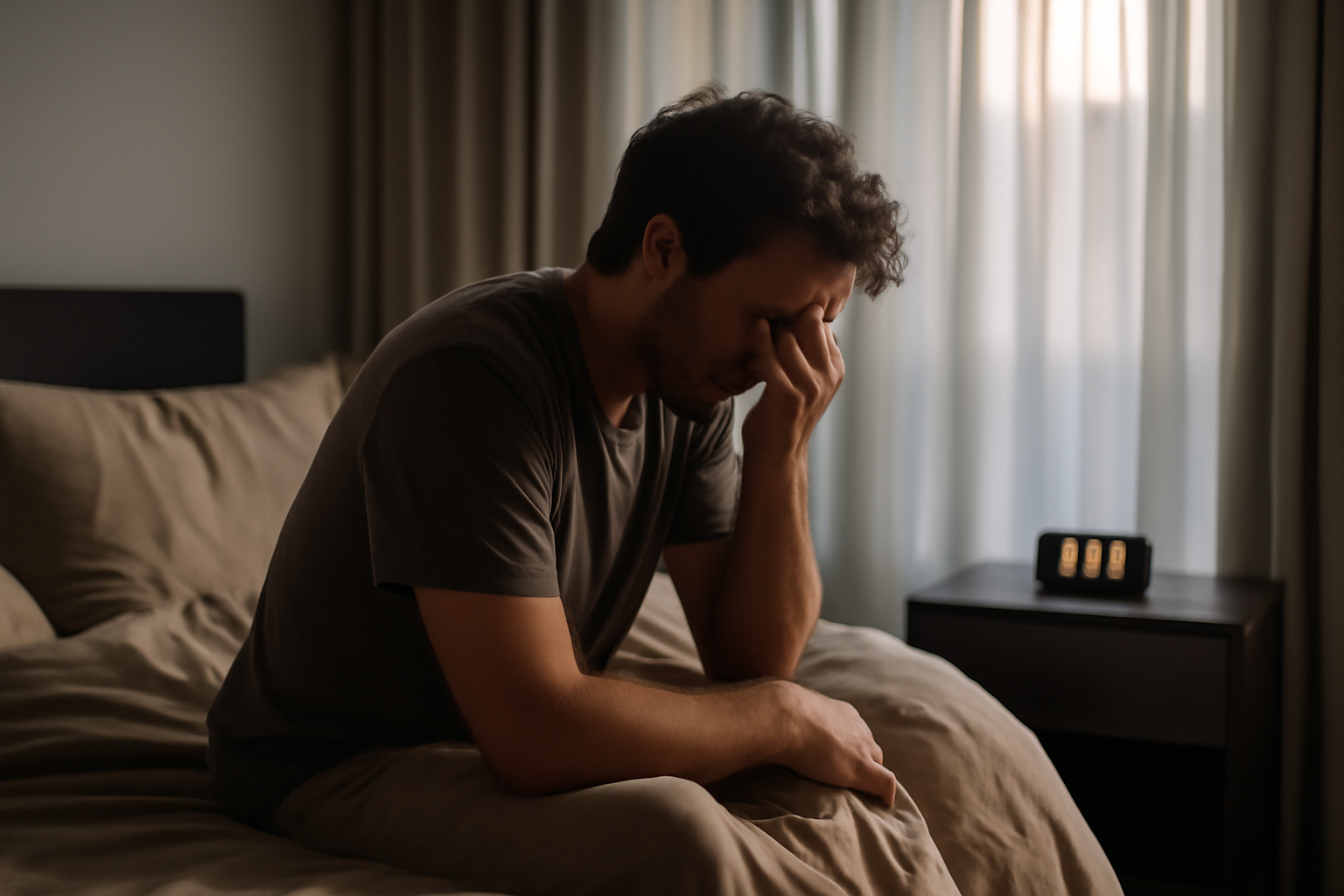
Waking up with a headache can feel downright unfair. You did the “right” things the night before, and yet the day starts with pain. The good news: morning headaches usually have a trigger you can track down. With a few quick checks and a short window of notes, you can narrow the cause fast—and stop guessing.
(And yes—small details like snoring, jaw soreness, or what you drank after dinner can matter more than you’d expect.)
| Likely trigger | Clues to look for |
|---|---|
| Sleep-disordered breathing | Snoring, gasping, unrefreshed mornings |
| Bruxism/TMJ and neck strain | Temple pain, jaw soreness, clicking |
| Dehydration, alcohol, caffeine swings | Dry mouth, dark urine, headache improves after fluids |
| Medication pattern or overuse | Frequent pain reliever use, headaches on many days |
| Other medical red flags | Sudden severe pain, fever/neck stiffness, neuro symptoms |
Sleep-related triggers: how breathing, timing, and sleep quality drive morning pain
If you wake up with a headache, sleep problems are a top suspect. Obstructive sleep apnea can lead to oxygen drops and morning headaches. Irregular sleep schedules—or oversleeping—can also set off migraines. Start by tracking snoring, gasping, and total sleep time. If symptoms persist or you feel unrefreshed most mornings, a sleep study is worth discussing.
Sleep-related headaches often follow a familiar loop: you sleep, breathing gets disrupted, and your brain wakes up under stress. If you have obstructive sleep apnea, the airway can collapse intermittently during sleep. That disruption can contribute to morning pain. The WHO estimates 936 million adults worldwide are affected by sleep-disordered breathing (WHO, 2024)—which is why this cause shows up so often in real clinics.
Watch for apnea clues: loud snoring, witnessed pauses in breathing, and episodes of choking or gasping. The CDC also lists symptoms like loud snoring and daytime sleepiness, which often travel with morning headaches (CDC overview of sleep apnea symptoms). If you feel “wired but tired,” or your mornings never feel truly restorative, that’s another strong signal.
Timing matters, too. Some people notice headaches after oversleeping or after shifting bedtime and wake time by a lot. That can line up with migraine biology: sleep disruption changes brain sensitivity, not just how tired you feel. A simple diary can show whether headaches cluster around a specific wake time, bedtime, or total sleep duration. Try a practical window of 2–3 weeks—patterns usually show up if they’re there.
- 2–3 week sleep diary: bedtime, wake time, total sleep duration, headache start time, and severity (0–10).
- Breathing checklist: snoring, gasping/choking, witnessed pauses, morning dry mouth.
- Pattern rule: if headaches repeatedly start after the same sleep duration or only on nights with worse breathing, focus on sleep first.
If apnea is on your radar, use reputable guidance like NHS guidance on obstructive sleep apnoea and morning symptoms. A clinician can confirm it with a sleep study and then treat it (often with CPAP or other options), which can reduce morning headaches over time.
Jaw, teeth, and neck strain: bruxism (clenching) and TMJ as common morning headache causes
Grinding or clenching during sleep can strain jaw muscles and the TMJ, sending referred pain to the temples and forehead. Neck stiffness from poor pillow support can amplify it. Look for morning jaw soreness, tooth sensitivity, clicking, or trouble opening your mouth wide. A dentist can assess bruxism and TMJ; a clinician can also evaluate posture and neck mechanics.
Bruxism is one of those causes that quietly repeats every night. Even if you never “feel” yourself clench, your jaw can still work overtime while you sleep. When the masseter and temporalis muscles stay active, temple and forehead pain can peak soon after waking. If your headache hits within the first half hour and your jaw feels tired, that timing is a useful clue.
How common bruxism is varies by study and how it’s defined, but it’s widely reported as a common sleep-related habit. That’s why it’s worth checking even when your headache feels “migraine-like.” Quick self-check: does your headache peak within 0–30 minutes after waking, and do you have jaw soreness at the same time? If yes, you’re probably looking in the right direction.
Bruxism clues to document
- Jaw fatigue on waking (tightness, aching, or an “overworked” feeling)
- Tooth sensitivity or signs of wear (especially if you’ve been told you grind)
- Headache location centered at the temples or around the forehead
- Sleep partner observations (grinding sounds, jaw movement)
TMJ symptoms that point the finger
TMJ-related headaches often come with mechanical symptoms. Look for clicking or popping, pain with chewing, and reduced mouth opening. Some people also notice the pain shifts with jaw movement—pressing your jaw lightly may reproduce discomfort. If your jaw symptoms match your morning pain, prioritize a dental/TMJ evaluation.
Neck strain can stack on top of jaw strain. A pillow that pushes your head forward—or leaves your neck unsupported—can overload overnight muscles. That’s why two people can have the same bruxism, but only one wakes up with a severe headache. Try aligning your neck so your ears and shoulders feel level, then track whether morning tenderness improves over 1–2 weeks.
Dehydration, alcohol, and caffeine: morning headaches from fluid and withdrawal swings
Morning headaches often follow dehydration, alcohol use, or caffeine timing changes. Alcohol can worsen sleep quality and contribute to dehydration. If your caffeine intake drops overnight, withdrawal can trigger headaches. Aim for steady hydration, keep alcohol limited later in the evening, and stay consistent with caffeine dose and timing. If you drink, try a “no alcohol after dinner” test for 1–2 weeks.
These triggers are common partly because they’re easy to miss. You may not connect next-morning pain with what happened after dinner—especially when the night felt “fine.” Alcohol can disrupt sleep architecture and also dehydrate you, setting the stage for morning pain. Many people notice a headache the next morning after evening drinking; it’s a pattern clinicians see frequently.
Dehydration has its own signature. Dry mouth, dark yellow urine, and a headache that improves after fluids are strong clues. Hydration targets vary by body size and activity, but a practical marker for many people is pale-yellow urine. Use it as a guide, not a strict medical rule.
Caffeine: consistency beats intensity
Caffeine helps some people and triggers headaches in others. The key is timing and consistency. If you take caffeine late, you can worsen sleep quality. If you suddenly cut back, withdrawal headaches can follow. If your morning headaches show up on days when you drank less coffee/tea than usual, that’s a pattern worth testing.
- Hydrate early: drink water soon after waking.
- Stabilize caffeine: keep the same dose and timing for 1–2 weeks.
- Run one experiment: “no alcohol after dinner” for 1–2 weeks, then compare headache frequency and severity.
Because multiple factors can overlap, change only one variable at a time. That way, you can tell whether the improvement comes from hydration, alcohol timing, or caffeine withdrawal—not all of them at once.
Medications and health conditions: when morning headaches signal a need to review treatment
Some medications can cause headaches—or make them worse—when taken too late or too often. Overuse of pain relievers can lead to medication-overuse headache. Certain conditions (like uncontrolled high blood pressure or sleep disorders) can also contribute. Review your medication list with a clinician, especially if headaches are frequent (for example, many days per month) or new and escalating.
When morning headaches show up repeatedly, your medication pattern deserves a closer look. Some drugs contribute directly. Others affect sleep quality, blood pressure, or hydration. The most common “pattern trap” is medication overuse: using acute pain relievers too frequently can keep the headache cycle going. Headache medicine recognizes medication-overuse headache, and the underlying idea is straightforward—frequent use changes the brain’s pain threshold. Thresholds vary by drug class, so your clinician should tailor the plan to what you actually take.
If you want a starting point, review the concept in Medication-overuse headache overview, then bring your questions to a healthcare professional. For practical guidance, pair that with how many days per month you use pain relief and whether headache frequency increases as you use more medication.
How to check if your meds are part of the problem
- Timing: did your headaches start after a dose change or a new medication?
- Frequency: how many days per month do you use analgesics?
- Type of medicine: acetaminophen, NSAIDs, combination products, or migraine-specific meds.
- Pattern: do headaches happen on “medication days” only, or also on medication-free days?
Not every recurrent morning headache is medication-related, but it’s a high-yield check. Also pay attention to red flags. If headaches are new, rapidly worsening, or paired with neurological symptoms, you need urgent medical assessment. That’s not the time to experiment at home.
A practical morning plan: what to do today, plus when to seek urgent care
Start with fast, safe steps: drink water, eat something if you skipped meals, do gentle neck/jaw stretches, and note the headache’s timing and severity. Then adjust one variable at a time—sleep schedule, hydration, caffeine, or alcohol—over 1–2 weeks. Seek urgent care if you have a “worst headache,” sudden onset, fever/neck stiffness, weakness, confusion, or vision changes.
Use a simple 24–48 hour response plan so you don’t lose time. First, address the likely “low-hanging fruit”: dehydration, missed meals, and overnight muscle tension. Then track the details that help both you and clinicians spot patterns.
After that, run controlled changes. If you improve without changing anything else, you’ve learned something useful. If nothing shifts, you still gain better data—headache timing, severity, and associated symptoms (snoring, jaw soreness, dry mouth, medication use). That’s what turns guesswork into a targeted plan.
Today’s steps (simple and repeatable)
- Hydrate: water first; consider an electrolyte drink if you sweat a lot or your urine is very dark.
- Light food: a snack or small meal if you went long without eating.
- Gentle mobility: slow neck range-of-motion and jaw relaxation (avoid aggressive stretching).
- Track: onset time and severity on a 0–10 scale.
Controlled trial: one variable at a time
Pick one factor to adjust for 1–2 weeks: sleep schedule, hydration, caffeine timing, or late alcohol. If you change multiple things, you won’t know which one helped. Keep the rest stable so the pattern is clear.
Also know the warning signs that should override your experiment. Urgent evaluation is needed for sudden “worst headache,” neurological deficits (weakness, numbness, confusion), fever with neck stiffness, persistent vomiting, or new vision changes. In those situations, go to emergency care rather than waiting for your diary to “prove” a lifestyle cause.
FAQ
How can I tell if my morning headache is related to sleep apnea?
Look for consistent morning headaches plus loud snoring, witnessed breathing pauses, choking or gasping, and feeling unrefreshed most mornings. A sleep study is the definitive test, and guidance is available from the CDC and the NHS.
What’s the link between teeth grinding (bruxism) and headaches when you wake up?
Bruxism can strain the jaw muscles and TMJ during sleep, which can refer pain to the temples and forehead. Clues include jaw soreness on waking, tooth sensitivity, clicking, and headaches that peak within 0–30 minutes after you wake.
Why does a morning headache get worse after alcohol or coffee?
Alcohol can worsen sleep quality and contribute to dehydration, both of which can trigger morning pain. Coffee can worsen symptoms if taken late (sleep disruption) or if your intake drops suddenly (caffeine withdrawal). A 1–2 week consistency test helps clarify which trigger you’re reacting to.
When should I worry about a morning headache and get medical help quickly?
Seek urgent care for a sudden “worst headache,” headache with fever or neck stiffness, weakness or confusion, persistent vomiting, or new vision changes. Also contact a clinician promptly if headaches are new, rapidly worsening, or occur with neurological symptoms.
How many days per month could a headache be related to overusing pain relievers?
Medication-overuse headache is linked to frequent use of acute pain medicines, but the exact thresholds vary by drug class. If you use analgesics on many days per month and your headache frequency increases, discuss it with a clinician and review your dose and timing.
Can a bad pillow position really cause morning headaches?
Yes. A pillow that misaligns your neck can overload overnight muscles and contribute to tension-type morning headaches. If your pain is paired with neck stiffness and improves as the day goes on, adjust pillow height/support and track results over 1–2 weeks.
Key takeaways
- Treat sleep quality as the first suspect: snoring, gasping, and unrefreshed mornings point toward sleep apnea.
- Check jaw and neck: morning temple pain plus jaw soreness often signals bruxism/TMJ or pillow/neck strain.
- Stabilize hydration and substances: dehydration, late alcohol, and caffeine withdrawal are common, testable triggers.
- Review your medication pattern: frequent use of pain relievers can perpetuate headaches, so discuss it with a clinician.
- Run one controlled change at a time for 1–2 weeks while tracking timing, severity, and associated symptoms.
- Know red flags: sudden “worst” headache, neurological symptoms, fever/neck stiffness, or vision changes require urgent care.
- If headaches persist despite lifestyle adjustments, ask for targeted evaluation (sleep study, dental/TMJ assessment, or medical workup).
When you’re waking up with a headache, the best approach is structured: check sleep breathing, jaw and neck strain, hydration and substance timing, and medication use frequency. Then run a short, controlled 1–2 week trial with clear tracking. If the pattern doesn’t change, you’re not stuck—you’re ready for targeted evaluation.
For deeper background on breathing-related sleep disorders, review the WHO fact sheet on sleep disorders and breathing-related sleep disorders.
If your morning headaches are happening every day, you may also find it helpful to review causes and relief for waking up with headaches every day.