Hyperovulation means releasing more than one egg in a single ovulatory cycle. It’s hard to pin down how often it happens because most people don’t get routine ultrasound follicle tracking each cycle. In real life, it’s usually confirmed only when fertility monitoring is done or when twin outcomes provide a clue.
Quick Take: Hyperovulation is more than one egg released in the same ovulatory cycle, but the true frequency depends on whether you’re being monitored.
It can happen more than once in a month only if you have multiple ovulation events close together.
Genetics, age-related follicle behavior, and fertility medications can make multiple eggs more likely.
Symptoms can overlap with normal ovulation, so ultrasound and hormone patterns are the most useful checks.
| Definition | Releasing more than one egg in a single ovulatory cycle |
| Common detection method | Ultrasound + hormone monitoring; sometimes inferred from twin outcomes |
| Can it happen twice in a month? | Yes, when there are multiple ovulation events close together (still uncommon) |
| Most linked twin type | Fraternal (non-identical) twins |
| Best confirmation | Follicle tracking with ultrasound and hormone patterns |
| Why symptoms aren’t enough | Ovulation pain and cervical mucus changes also occur in normal single-egg cycles |
How often hyperovulation happens per cycle (and why there’s no single “rate”)
Hyperovulation is defined as releasing more than one egg in a single ovulatory cycle. The exact frequency is difficult to measure because it usually requires fertility monitoring to confirm. Many cases are never identified unless pregnancy results in twins or ultrasound tracking is used.
People sometimes mix up different patterns: multiple ovulation events across separate cycles, or short-term changes that make it seem like “more than one egg” happened. Clinically, the key difference is timing. Hyperovulation is about multiple eggs in the same ovulatory cycle, not just “more than one ovulation” somewhere within a month.
Incidence estimates are also shaped by who gets studied. If a study includes more people using ovulation tracking or fertility care, the observed rate will look different than in the general population. Age, baseline fertility issues, and how closely cycles are monitored all shift the numbers.
Even twin-based estimates vary by maternal age and background factors. Twin outcomes aren’t a perfect stand-in for hyperovulation, but they’re one of the few real-world signals researchers can use without direct egg counts. So if you’re asking how often can hyperovulation occur, the practical answer is: it’s not commonly documented for the general population, and the rate changes with monitoring intensity.
Can hyperovulation occur twice in one month? Timing and cycle scenarios
Hyperovulation can effectively happen twice in a month if you have more than one ovulation event within that timeframe (for example, two distinct ovulatory events). Releasing multiple eggs twice in the same month is still uncommon, but it becomes more plausible with irregular cycles, short intervals between ovulations, or fertility treatment.
A typical menstrual cycle is about 21–35 days. Two separate ovulations in one calendar month usually means an unusually short cycle, a pattern that’s shifted by hormones, or irregular timing.
Also, “two eggs during ovulation” isn’t the same as “two ovulations in one month.” You can release multiple eggs in one ovulatory cycle, or you can release one egg per ovulation and still have two ovulation events in the same month. Ultrasound and hormone tracking are what sort out whether there were multiple follicle waves and whether more than one ovulatory event occurred.
- Scenario A: One ovulatory cycle with multiple mature follicles → hyperovulation (potential twins risk, mainly fraternal).
- Scenario B: Two separate ovulatory events in the same month → “multiple ovulations,” which can make hyperovulation seem more likely overall.
- Scenario C: Irregular bleeding or hormone shifts that move timing → OPKs may detect LH at unexpected times.
What increases the likelihood: genetics, age, and fertility treatments
Hyperovulation becomes more likely when factors affect follicle development and ovulation timing. Genetics can influence how many follicles mature. Age and the hormonal environment can change follicle behavior. Fertility medications and assisted reproduction are common drivers because they aim to stimulate multiple follicles.
Genetics may matter, especially through family patterns linked to fraternal twinning. Fraternal twins happen when more than one egg is released and fertilized—matching the “multiple mature follicles” pathway that hyperovulation represents. That doesn’t guarantee hyperovulation, but it can tilt the odds.
Age and ovarian reserve shape follicle dynamics. As ovarian function changes, the timing and quality of follicle growth can shift, which can affect how many follicles reach maturity in a given cycle. Fertility care adds another layer: stimulation medications often increase the number of developing follicles, raising the chance that more than one egg matures.
Twin outcomes also differ by twin type. Fertility treatment is more strongly associated with fraternal twinning than identical twinning because treatment increases the number of ovulated eggs rather than causing an embryo to split.
If you’re trying to interpret your own risk, focus on “how many follicles are developing” rather than “how it feels when ovulation happens.” That’s where genetics, age, and medication effects show up most clearly.
Symptoms and signs: what you might notice (and what you can’t)
There’s no single symptom that reliably confirms hyperovulation. Some people notice stronger ovulation pain, thicker or more noticeable cervical mucus, or changes in discharge—but these overlap with normal single-egg ovulation. Ultrasound monitoring and hormone patterns are the most dependable confirmation, especially when multiple follicles are present.
Possible clues include ovulation pain (sometimes on one side), a temporary rise in cervical mucus that turns slippery or “egg-white” like, and changes in discharge texture. These can be real, but they don’t prove multiple eggs. Even in a standard single-egg cycle, cervical mucus often shifts around the LH surge.
When people self-diagnose, they often overread OPK timing or discharge volume. OPKs detect an LH surge, not how many follicles successfully mature. You can see a strong positive test and still ovulate from one dominant follicle—or you can have multiple follicle growth without a clear “extra” signal at home. (It’s frustrating, but it’s also why monitoring matters.)
What to do if you’re trying to conceive or avoid pregnancy
- Trying to conceive: Ask about follicle tracking if your cycles are irregular or you have a history of twins.
- Avoiding pregnancy: Don’t rely on symptoms alone. Use reliable contraception, and get clinician guidance if your cycles are unpredictable.
- Both: Track consistently so a clinician can interpret patterns, not just one confusing signal.
Hyperovulation and twins: fraternal vs identical, and what it means for fertility
Hyperovulation is most associated with fraternal (non-identical) twins because more than one egg can be released and fertilized. Identical twins usually come from one fertilized egg splitting, which isn’t caused by releasing two eggs. Hyperovulation can increase the chance of twins, but it doesn’t automatically mean higher overall fertility.
The mechanism is straightforward: if two eggs are released around the same ovulatory window and both are fertilized, fraternal twins can result. That’s why fertility medications—which can increase the number of developing follicles—often correlate with higher fraternal twin rates.
Identical twins have a different origin. After fertilization, one embryo splits into two. That process isn’t driven by hyperovulation, so “multiple eggs” and “identical twins” aren’t the same story. Twin pregnancy rates also vary with maternal age and fertility treatment, so you can’t predict individual outcomes from hyperovulation alone.
If you’re planning around fertility, treat hyperovulation as one factor that can change the odds of twins—not as a direct measure of overall fertility. Many people who release multiple eggs never conceive, and many people who never experience hyperovulation do conceive.
How to track it safely: ovulation tests, ultrasound, and when to see a clinician
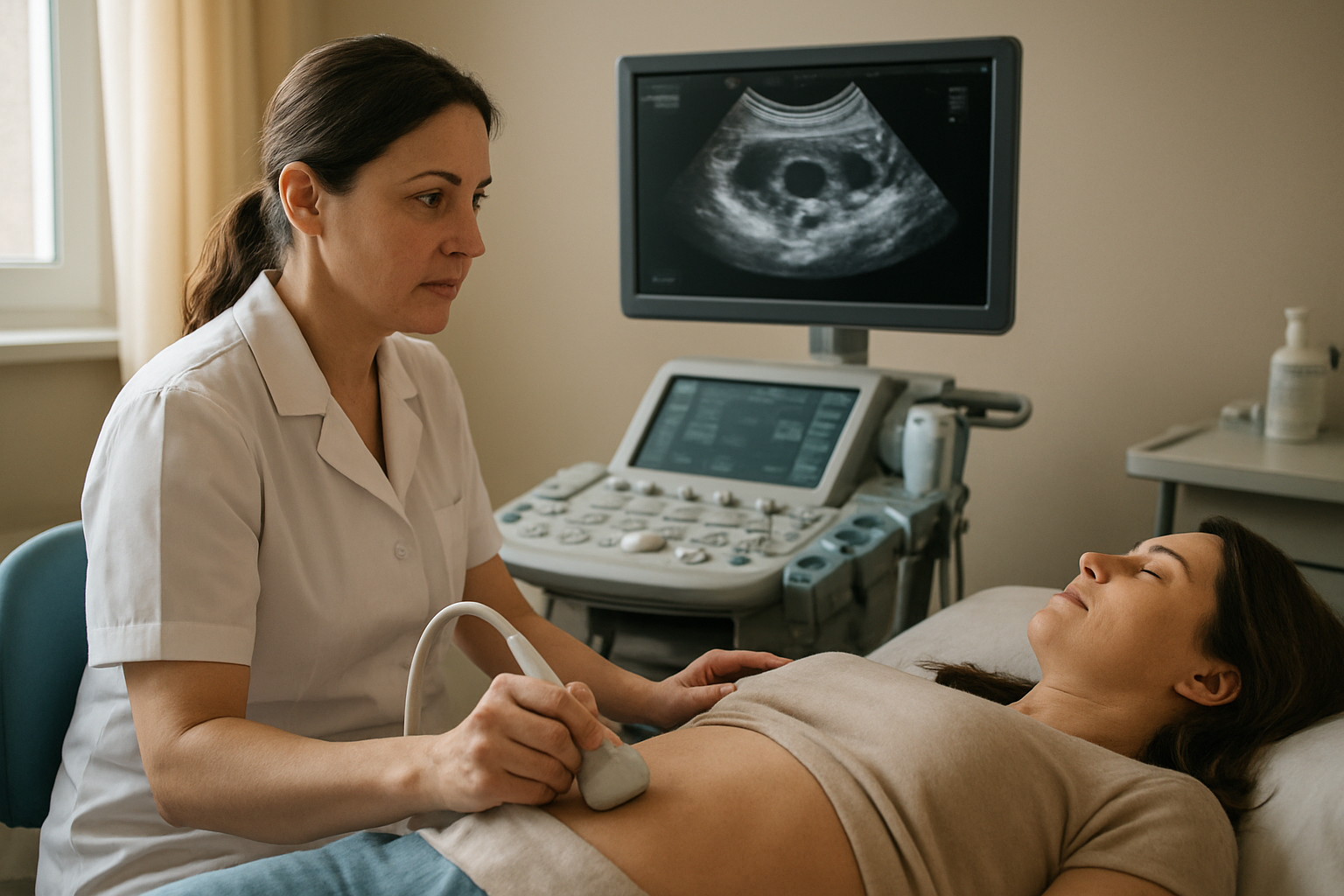
At-home ovulation predictor kits (OPKs) and cycle tracking can suggest that ovulation is happening, but they can’t confirm hyperovulation reliably. If you’re trying to conceive (or your cycles are irregular), ask about ultrasound and hormone monitoring to see whether multiple follicles mature. Get care sooner if you have very irregular bleeding, severe pain, or known fertility concerns.
OPKs measure LH surges. An LH surge can help you time intercourse, but it doesn’t show how many eggs matured. You may get a positive test even if only one follicle becomes ovulatory, and irregular cycles can make results harder to interpret.
Clinical confirmation usually follows a clear path: serial ultrasound to track follicle size and count, plus hormone patterns (commonly LH, sometimes additional markers) to interpret whether ovulation likely occurred and whether multiple mature follicles were present. This approach matters most when you’re using fertility medications or when cycle timing is unstable.
When to see a clinician
- Cycles are very irregular: long gaps, frequent unexpected bleeding, or ovulation that’s hard to time.
- Severe or worsening pelvic pain: especially if it’s new, one-sided, or paired with abnormal bleeding.
- Known fertility concerns or treatment use: ultrasound monitoring helps interpret timing and reduce uncertainty.
- History of twins or multiple pregnancies: discuss monitoring if you want a clearer picture of your pattern.
FAQ
How often can hyperovulation occur in a typical menstrual cycle?
It’s considered uncommon in the general population, mainly because hyperovulation is hard to confirm without monitoring. Estimates are often indirect (for example, inferred from twin outcomes or from monitored fertility cycles), so the true rate varies depending on how cycles are tracked and who is studied.
Can hyperovulation happen twice in one month?
It can effectively happen twice in a month if you have more than one ovulation event within that timeframe. Releasing multiple eggs twice in the same month isn’t typical, and irregular cycles, short intervals between ovulations, or fertility treatment can increase the chance.
Why do some people release two eggs during ovulation?
Multiple egg release is usually linked to more than one follicle maturing in the same ovulatory window. Genetics, age-related follicle behavior, and fertility medications that stimulate follicle growth can all increase the likelihood of multiple mature follicles.
When should I see a doctor if I suspect hyperovulation or multiple ovulations?
See a clinician if your cycles are very irregular, if you have severe or unusual pelvic pain, or if you’re using fertility medications and want accurate timing. Ultrasound and hormone monitoring can clarify whether multiple follicles matured and whether more than one ovulatory event occurred.
How does hyperovulation affect the chance of twins?
It mainly increases the chance of fraternal (non-identical) twins because more than one egg can be fertilized. Identical twin formation isn’t caused by releasing two eggs, so hyperovulation isn’t a direct driver of identical twins.
Is it possible to have hyperovulation without getting pregnant with twins?
Yes. Releasing multiple eggs increases the opportunity for fertilization, but pregnancy depends on many other factors. You can ovulate more than one egg and still not conceive, and you can conceive without twins.
Key takeaways
- Hyperovulation is releasing more than one egg in a single ovulatory cycle, but its true frequency is hard to measure without monitoring.
- It can happen more than once in a month only when you have more than one ovulation event within that timeframe.
- Genetics, age-related ovarian changes, and fertility medications can increase the likelihood of multiple egg maturation.
- Common “signs” like discharge or ovulation pain are clues, not reliable proof of hyperovulation.
- Hyperovulation mainly increases the chance of fraternal (non-identical) twins, not identical twins.
- For confirmation, ultrasound and hormone tracking are far more informative than at-home ovulation tests alone.
- If your cycles are very irregular or you’re using fertility treatment, talk to a clinician to interpret timing and risks safely.
Sources
When you’re trying to estimate how often can hyperovulation occur for your own body, the most practical approach is cycle tracking plus, when needed, ultrasound and hormone monitoring. That combination turns “possible” into “confirmed,” without guessing from symptoms alone.
1 réflexion au sujet de « How Often Can Hyperovulation Occur? Timing Explained »