
Quick Take: Yes—can stress cause your period to come early? It can. Stress can nudge hormone signaling and shift when ovulation happens, and that often moves bleeding earlier.
But early “bleeding” isn’t always a true period. Spotting, breakthrough bleeding, and ovulation bleeding can look surprisingly similar.
If there’s any chance you could be pregnant, take a test. And if bleeding is heavy or symptoms feel severe, get urgent care.
| Common link | Stress can shift ovulation timing via cortisol and brain–ovary signaling. |
| Not always a true period | Spotting and breakthrough bleeding can mimic early menstruation. |
| Fastest rule-out | If pregnancy is possible, take a pregnancy test. |
| Non-stress causes | Contraception changes, thyroid issues, PCOS, perimenopause, infections, major weight change. |
| When to get help | Very heavy bleeding, severe pain, dizziness/weakness, or persistent irregular cycles. |
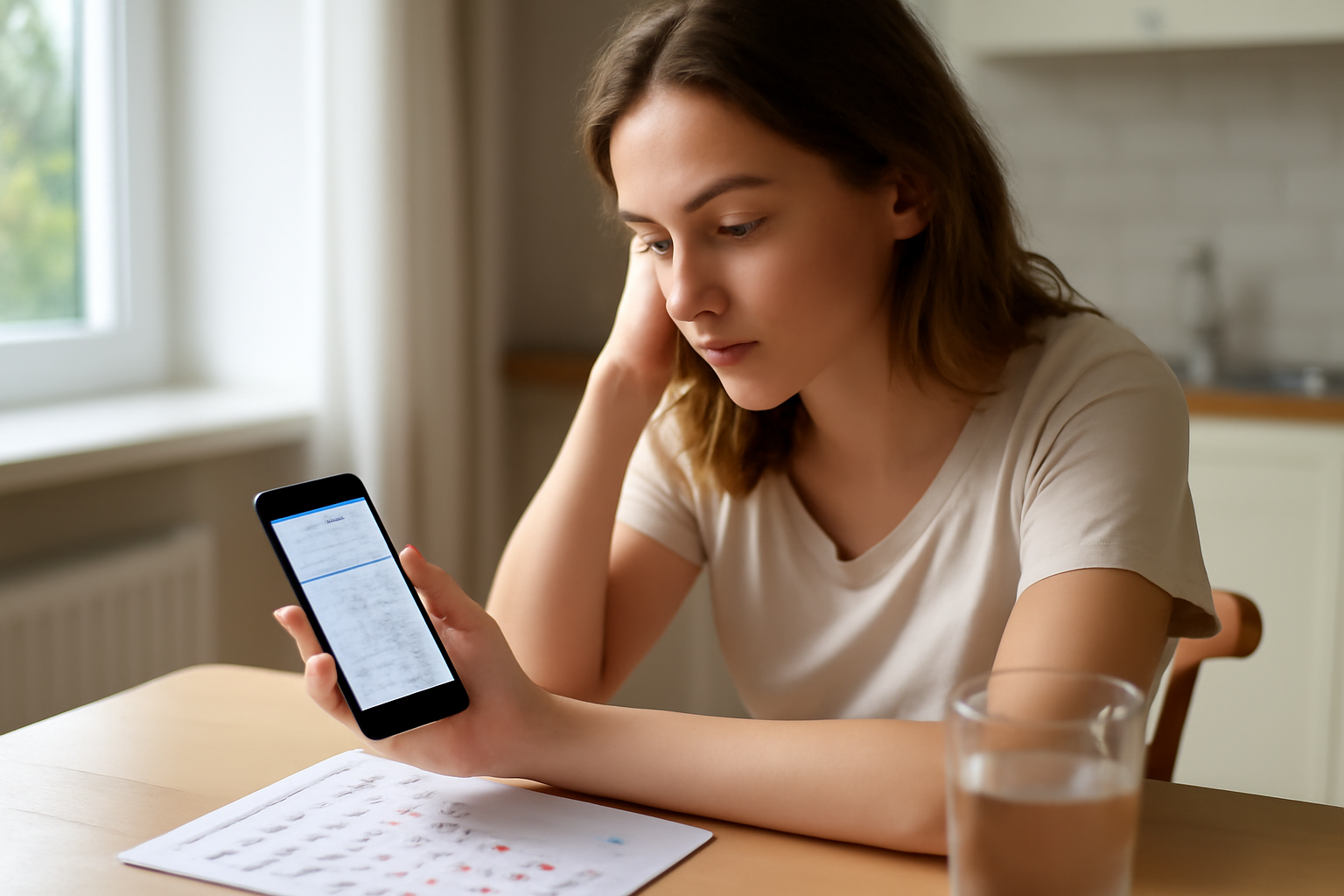
How stress can shift your menstrual timing (cortisol, ovulation, and the luteal phase)
Stress can affect your cycle by raising cortisol and changing brain–ovary communication (hypothalamus–pituitary–ovarian axis). That can shift when ovulation happens. If ovulation occurs earlier, bleeding often follows earlier too.
The luteal phase is usually steadier, so when people say their period came “early,” it’s often tied to earlier ovulation—not a dramatically shorter luteal phase. (And yes, it can feel confusing when your body seems to change the rules mid-cycle.)
When you’re under pressure—exams, illness, bereavement, or nonstop work—your body ramps up its stress response. Cortisol, released through the HPA axis, can influence reproductive hormone signaling. In plain terms: your brain sends hormonal timing messages to the ovaries, and stress can blur those messages.
Many people notice cycle changes during acute stress. Real-world observations repeatedly show that timing shifts often line up with stress intensity and sleep disruption. The most common mechanism is ovulation timing. Move ovulation earlier, and menstruation can arrive earlier as well—because the body still needs that post-ovulation window before bleeding starts.
For many individuals, the luteal phase length stays fairly consistent. If it stays similar, an earlier period usually points to earlier ovulation rather than a shortened luteal phase. That’s why two cycles with the same “stress level” can still differ—ovulation timing is the part that moves.
Early period vs spotting: how to tell stress-related bleeding from other causes
Not all “early bleeding” is a true period. Stress can show up alongside irregular spotting, but pregnancy-related bleeding, breakthrough bleeding from hormonal contraception, and ovulation bleeding can look alike. A true period typically matches your usual flow pattern and lasts about the same number of days. If the bleeding feels off, consider a pregnancy test and keep track of symptoms.
Start by separating spotting from a period. Spotting is usually lighter—pink, brown, or minimal red—and often appears between expected dates. A period tends to have a fuller flow and a duration that resembles your normal pattern. Timing alone can mislead, especially when stress makes your cycle less predictable.
Here are common look-alikes:
- Implantation/early pregnancy bleeding: can be light and short, sometimes mistaken for an early period.
- Breakthrough bleeding: a known effect of hormonal contraception, especially with missed pills, delayed injections, or irregular use.
- Ovulation bleeding: some people notice mild spotting around ovulation; it may be lighter and shorter than a period.
If there’s any chance of pregnancy, testing is often the quickest way to reduce uncertainty. Track what you see: start date, color, flow level, and how many days it lasts. (It’s surprisingly helpful—your future self will thank you.)
Other common reasons your period comes early (hormones, medication, and health conditions)
Even if stress plays a role, early bleeding can come from hormone shifts, medication effects, or underlying conditions. Examples include starting or stopping hormonal contraception, thyroid disorders, polycystic ovary syndrome (PCOS), perimenopause, and medications that affect hormones. Infections and significant weight change can also disrupt ovulation timing, leading to earlier or irregular cycles.
Stress isn’t the only lever that moves your cycle. Hormonal contraception changes are a frequent culprit. Starting a new method, stopping it, or missing doses can trigger breakthrough bleeding that looks like an “early period.” If you recently switched pills, patches, rings, injections, or implants, it’s worth considering.
Thyroid dysfunction can cause menstrual irregularities, including changes in cycle timing. PCOS is another common cause of irregular ovulation, which makes bleeding harder to predict. Perimenopause can also bring more variability, and some people notice earlier or more chaotic bleeding as hormone levels fluctuate.
Other factors can overlap with stress. Recent infections, travel, and major weight change can all disrupt ovulation timing. The result can be early bleeding even when your stress level feels “normal.” So ask yourself: is this the first time, or does it keep happening?
For reliable background on typical menstrual patterns and when irregular bleeding needs evaluation, you can review guidance from NHS: periods and irregular bleeding, or the ACOG FAQ: your period.
When stress is the likely trigger: patterns to look for and tracking tips
Stress is more likely involved when early bleeding follows a clear stressful event and you also notice other cycle changes (timing shifts, increased PMS, sleep disruption). Track the first day of bleeding, flow intensity, and any spotting days for 2–3 cycles. Note sleep, illness, travel, and major life events. This helps you separate a one-off blip from a recurring pattern that may need evaluation.
Look for a timeline connection. Did your bleeding start sooner after a specific trigger—like a high-stakes work week, a stressful exam period, a sudden family situation, or getting sick? Many people also see changes beyond timing: stronger PMS, mood shifts, cramps, or poorer sleep.
Tracking doesn’t have to be complicated. Use a simple method:
- Mark day 1 of bleeding on a calendar or app.
- Rate flow (light / medium / heavy) and note clots if they’re unusual for you.
- Record spotting days separately from heavier flow.
- Log stress and sleep for the 7–14 days before bleeding (rough notes are fine).
Across 2–3 cycles, trends stand out more than one-off noise. Sleep disruption often comes with stress and can affect hormone regulation. Illness, exams, and bereavement are also common real-world triggers people report. If the pattern repeats, it’s a strong clue that stress (or stress plus another factor) is influencing ovulation timing.
For more context on reproductive health and why cycle changes happen, the CDC: menstruation and reproductive health is a helpful reference.
What to do next: self-care, cycle support, and when to seek medical care
If stress seems to be the driver, start by stabilizing sleep, eating regularly, and easing acute stressors. Gentle cycle support includes consistent nutrition, hydration, and avoiding sudden extreme dieting. Get urgent care if bleeding is very heavy (for example, soaking through protection quickly), lasts unusually long, or comes with severe pain, dizziness, or possible pregnancy. Otherwise, check in with a clinician if early or irregular bleeding keeps repeating for several cycles.
Begin with the basics that support hormone regulation. Aim for consistent sleep timing, balanced meals, and adequate hydration. If you’ve been skipping meals or cutting calories fast, your body may treat it like a stressor too. Give it a few weeks of steady habits, not just a couple of days.
Next, handle uncertainty safely. If pregnancy is possible and the bleeding doesn’t match your typical period, take a pregnancy test. Testing is the quickest way to rule out pregnancy-related bleeding when timing alone can’t confirm the cause. If you’re on hormonal contraception and you missed doses, consider whether breakthrough bleeding could explain what you’re seeing.
Know the red flags. Urgent evaluation is needed for very heavy bleeding with symptoms like dizziness, weakness, or shortness of breath. Severe pain that’s new for you also matters. If bleeding is unusually long, very heavy, or repeatedly early or irregular across multiple cycles, schedule a clinician review to rule out underlying causes such as thyroid issues, PCOS, medication effects, or other conditions.
If you want broader general guidance on stress and health, WHO health topics can offer a trustworthy overview of stress-related health factors (cycle timing is personal, but the general principles of stress care still apply).
FAQ
Can stress cause your period to come early?
Yes. Stress can increase cortisol and shift brain–ovary signaling, which may change ovulation timing. If ovulation happens earlier, bleeding can start earlier too. Still, early bleeding can also come from other causes, so don’t assume stress is the only explanation.
Why did my period come 5 to 10 days early after a stressful week?
A stressful week can alter hormone signaling and move ovulation earlier, which often leads to a period arriving sooner by about that range. It can also cause irregular spotting that looks like an early period. Tracking flow and spotting days helps clarify what happened.
Is early period bleeding the same as implantation bleeding?
Not necessarily. Implantation bleeding is often lighter and shorter than a typical period, but the timing and appearance can overlap. If there’s any possibility of pregnancy, the most reliable next step is a pregnancy test rather than guessing based on timing alone.
How soon should I take a pregnancy test if my period comes early?
If bleeding is unusual for you and pregnancy is possible, take a test as soon as you can after the missed/expected period window. For best accuracy, follow the test instructions and consider retesting if results are negative but bleeding continues or you have pregnancy symptoms.
When should I see a doctor for early or irregular periods?
Seek medical advice if bleeding is very heavy, lasts unusually long, includes severe pain, or you feel dizzy or weak. Otherwise, schedule a clinician review if early or irregular bleeding keeps happening across several cycles, especially with symptoms like fatigue, weight changes, or new medication/hormone changes.
Can anxiety and lack of sleep make your period start earlier?
They can. Anxiety and poor sleep can increase stress hormones and disrupt reproductive hormone signaling, which may shift ovulation timing. That can lead to earlier bleeding for some people, though other causes (thyroid issues, contraception changes, PCOS) can also play a role.
Key takeaways
- Stress can shift menstrual timing mainly by changing ovulation timing through stress-hormone signaling.
- Early bleeding isn’t always a true period—spotting and breakthrough bleeding can look similar.
- If there’s any pregnancy possibility, test—timing alone can’t confirm the cause.
- Medication changes, thyroid issues, PCOS, and perimenopause are frequent non-stress reasons for early or irregular bleeding.
- Track bleeding dates, flow, and stress/sleep patterns for 2–3 cycles to spot trends.
- Get urgent care for very heavy bleeding, severe pain, or symptoms like dizziness.
- If early or irregular bleeding keeps happening, schedule a clinician review to rule out underlying causes.
So, if you’re wondering can stress cause your period to come early, the short answer is yes—often through earlier ovulation. Still, the safest approach is to look at the type of bleeding, your contraception and health context, and whether pregnancy is possible. With a quick test and a couple cycles of tracking, you usually get clarity faster than guessing.
If you’re trying to understand timing around early pregnancy bleeding, you may also find it helpful to read When Can You Test After Implantation Bleeding?.