
Hot flashes in your 30s can show up early in perimenopause—but they can also be triggered by stress, poor sleep, alcohol, spicy foods, overheating, medication effects, or thyroid issues.
A single episode usually lasts seconds to minutes. The bigger question is what’s driving it for you, and that can take a little detective work.
For 2–4 weeks, jot down frequency, duration, triggers, and any cycle changes. That log often makes the next steps—labs or treatment—much clearer.
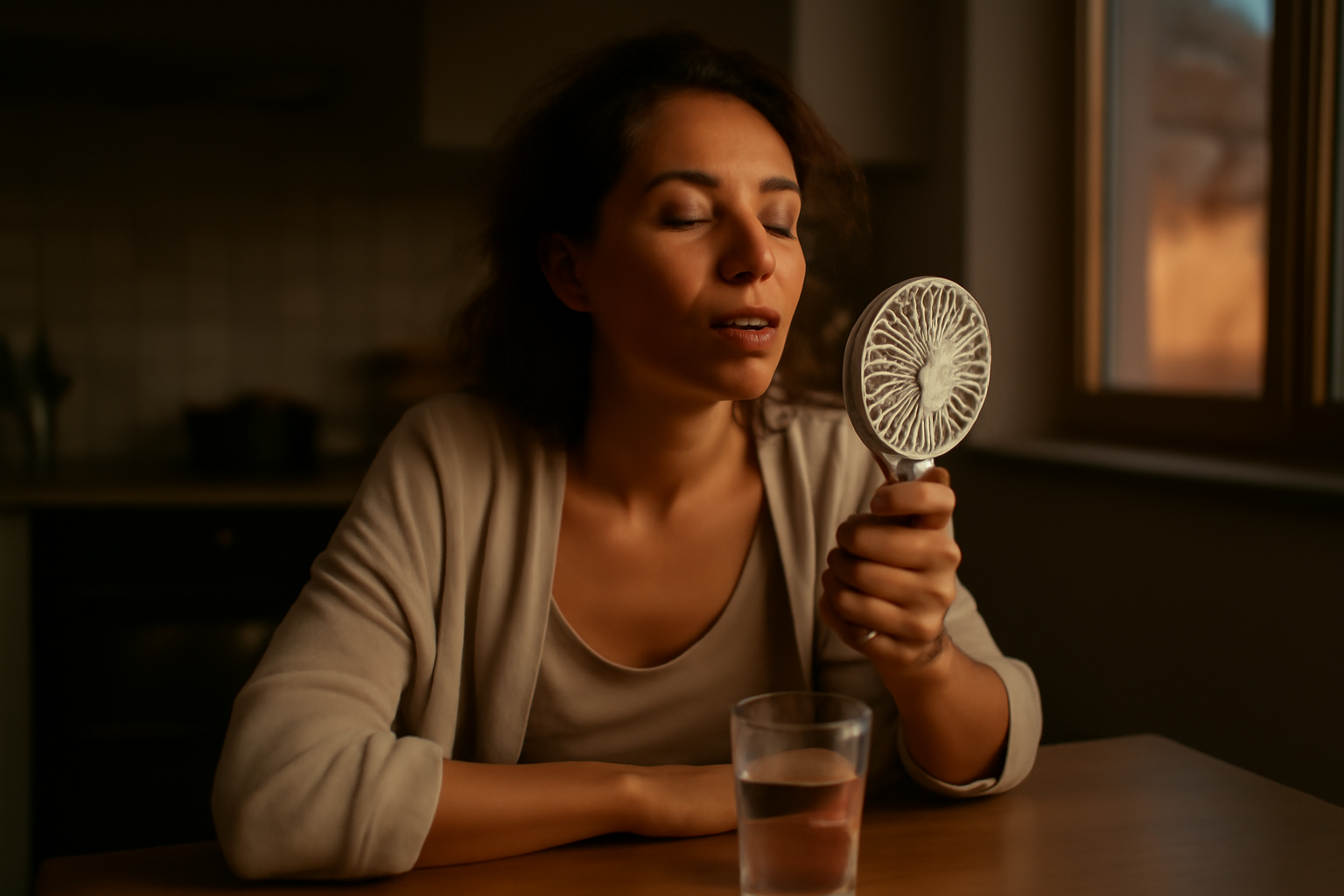
Hot flashes in your 30s can feel like your body flips a switch: heat rushes in, your skin flushes, and sometimes you start sweating so fast you barely have time to react. The tricky part is that the same sensation can come from different causes. This guide helps you sort the most likely explanations, understand typical timing (including night sweats), test triggers at home, and know when to get medical input.
(Good news: you don’t have to wait and hope. A short log and a few targeted checks can narrow things down quickly.)
| Criterion | Value |
|---|---|
| Typical single hot flash duration | About 30 seconds to 10 minutes |
| Overall symptom timeline | Can persist for months to years, depending on cause |
| Menopause diagnosis timing | Typically after 12 months without a period |
| Perimenopause timing | Can start years before the final period |
| Home tracking window | 2–4 weeks to spot consistent patterns |
Are hot flashes in your 30s normal? What “perimenopause” can look like early
Hot flashes in your 30s aren’t the most common menopause pattern, but they can happen when ovarian function starts changing earlier. Perimenopause can begin years before the final period, and symptoms may include sudden heat, flushing, night sweats, sleep disruption, and cycle changes. If your periods are still regular, other causes may be in the mix.
A “hot flash” usually means a heat surge that spreads through the upper body or face. It often comes with visible flushing and sweating, and some people feel chills afterward. Most describe it as an abrupt wave, not steady warmth. The sensation can last seconds to several minutes.
Why might this show up sooner than you expected? Natural menopause is often in the early 50s on average, but timing varies a lot. Clinical resources also describe perimenopause as a transition that can start years before the final period—so a 30s onset can be considered “early” and worth evaluating, especially if episodes are frequent or getting worse.
When your cycles stay regular, perimenopause is less likely as the only explanation, though it’s not impossible. Clinicians often look at other contributors too—thyroid issues, medication effects, stress physiology, or anything that shifts temperature regulation. The goal is simple: track your pattern, review your history, and decide whether testing or treatment makes sense.
Common causes behind sudden heat waves (hormones, stress, and lifestyle)
Hot flashes are often tied to hormone fluctuations that affect the brain’s temperature regulation. Still, the same episodes can be triggered or intensified by stress, anxiety, alcohol, spicy foods, and overheating. Sleep loss and weight changes can also make symptoms show up more often. In some people, medications or thyroid problems can mimic a hot-flash pattern.
Hormonal drivers usually involve shifting estrogen levels and related changes in thermoregulation. Even before periods become clearly irregular, hormonal variability can change how your body reacts to internal temperature signals.
Non-hormonal amplifiers are common. Stress and poor sleep can heighten symptom awareness and increase sweating and adrenaline-like responses. Alcohol, caffeine, spicy foods, and warm room exposure can act as triggers. If you’ve noticed a pattern after happy hour or a late-night workout, you’re not imagining it.
Medical mimics matter, too. Thyroid disorders can cause heat intolerance and sweating that may feel like hot flashes. Certain medications can also contribute to flushing or temperature dysregulation, so a medication review often becomes part of the workup when symptoms start suddenly.
Hot flash vs. general warmth: a quick way to tell
- Hot flash: abrupt heat surge, flushing, sweating, sometimes chills afterward.
- General warmth: gradual feeling of being hot without the same wave-like pattern.
- Flushing from triggers: may follow alcohol, spicy meals, heat exposure, or stress spikes.
How long do hot flashes last? Typical duration, night sweats, and symptom patterns
A single hot flash episode can last from about 30 seconds to several minutes. The overall course may stretch for months to years, depending on the underlying cause. Night sweats often follow a similar timing and can lead to fragmented sleep. When you track frequency (how many per day or week) and timing, clinicians can spot patterns and decide what to do next.
Clinical and patient education materials often describe individual hot flashes lasting roughly 30 seconds to 10 minutes. That range is wide because episodes vary by person, trigger, and hormonal state. Some people get a brief wave; others have longer episodes that feel disruptive even if they’re not dangerous.
Night sweats usually come with the same heat surge and sweating, but the main impact is sleep quality. Fragmented sleep can bring daytime fatigue, irritability, and that “on edge” feeling—then stress sensitivity rises, which can feed back into more symptoms. It’s a loop worth breaking.
During hormonal transitions, patterns may shift. Some people notice clusters around cycle changes, while others see episodes become more consistent across the month. The most useful approach is to document: how long each episode lasts, how often it happens, and whether night sweats line up with stress, alcohol, late meals, or overheating.
What to track (simple metrics)
- Frequency: number of hot flashes per day (or per week).
- Duration: approximate length of each episode.
- Triggers: alcohol, spicy foods, caffeine, heat exposure, stress, and sleep loss.
- Cycle changes: timing relative to ovulation or late luteal phase (if you can estimate).
Triggers you can test at home: food, drinks, temperature, and timing with your cycle
You can often reduce hot flashes by identifying personal triggers. Common ones include alcohol, spicy foods, hot beverages, caffeine, warm rooms, and layered clothing. Timing matters, too—symptoms may cluster around ovulation or during cycle changes for some people. Use a simple log for 2–4 weeks to spot patterns and test one change at a time.
A 2–4 week symptom log is practical: long enough to catch repeats, short enough to stay manageable. The key is changing only one variable at a time. If you cut alcohol and also switch your diet and move your bedtime, you won’t know which change helped.
Start with high-yield trigger categories:
- Beverages: alcohol, hot coffee/tea, caffeine, energy drinks.
- Foods: spicy meals, large late dinners, higher-sugar patterns for some people.
- Environment: warm rooms, poor airflow, overheating during workouts.
- Clothing: tight or non-breathable fabrics, heavy layers, synthetic heat-trapping materials.
- Timing: stress spikes, poor sleep nights, and symptom clustering around cycle changes.
Cycle-linked clues when periods are still regular
If you still have regular periods, notice whether episodes cluster around ovulation or the late luteal phase. That doesn’t prove perimenopause by itself, but it gives your clinician useful context—and it helps you test targeted adjustments.
Then turn what you learn into small lifestyle changes. For example: swap spicy dinners for milder options for two weeks, reduce alcohol frequency, improve bedroom ventilation, and choose breathable layers. If symptoms drop noticeably, you’ve found a lever.
When to see a clinician: red flags and which tests may be considered
Get medical advice if hot flashes start suddenly and are severe, if you have other symptoms like unexplained weight loss, palpitations, fever, or new irregular bleeding, or if they persist despite lifestyle changes. Clinicians may review medications, menstrual history, and consider labs such as thyroid function and other hormone-related evaluations depending on what else is going on.
In reproductive-age patients, abnormal uterine bleeding is a major reason to get evaluated. Even if you suspect perimenopause, new irregular bleeding deserves attention because it can reflect causes unrelated to menopause. Also take systemic symptoms seriously—unexplained weight loss, fever, or a new pattern of palpitations.
Red flags that should be checked promptly include:
- Sudden, severe onset or rapidly worsening episodes
- Unexplained weight loss, persistent fever, or feeling unwell
- Palpitations, shortness of breath, or chest discomfort
- New abnormal bleeding (heavier, more frequent, or bleeding between periods)
- Night sweats that soak clothing/sheets repeatedly without a clear trigger
What clinicians may check (and what to bring)
Workup often starts with a medication review, since some drugs can cause flushing or temperature dysregulation. Thyroid testing (such as TSH and related measures) is commonly considered when heat intolerance and sweating are prominent. Depending on your situation, clinicians may also discuss pregnancy-related considerations when relevant.
Bring your timeline and log: when episodes started, how often they occur, approximate duration, suspected triggers, and any cycle changes. That makes the appointment more efficient—and helps you avoid guessing.
What helps most: lifestyle strategies, non-hormonal options, and when hormone therapy is discussed
Start with the basics that match the evidence: a cool environment, layered breathable clothing, paced exercise, stress reduction, and limiting known triggers. Non-hormonal options may include certain prescription therapies used for menopausal hot flashes, especially when symptoms affect sleep. Hormone therapy may be discussed for appropriate candidates, but the decision depends on age, timing since the transition began, health history, and risk factors.
The strongest first-line approach is usually practical and targeted: reduce overheating, improve ventilation, and avoid the triggers you’ve identified. Cooling strategies don’t have to be complicated—a fan, breathable bedding, and keeping the bedroom at a comfortable temperature can make a real difference. Layering helps you remove one item when a wave hits instead of waiting it out.
If symptoms persist or strongly affect sleep, non-hormonal medical options may be worth discussing. Sleep disruption is a big driver for treatment conversations because fatigue can worsen stress sensitivity and make episodes feel more frequent. And if you’re not ready for hormone therapy, that doesn’t mean you have to do nothing.
Hormone therapy is sometimes discussed for appropriate candidates. Guidelines emphasize individualized decisions based on age, health history, and risk profile, along with the timing of symptoms relative to the transition. The goal is clear: better sleep, improved daily functioning, and fewer disruptive episodes—then reassess.
Practical plan you can start this week
- Cooling: fan in the bedroom, breathable sheets, and a comfortable room temperature.
- Trigger control: limit alcohol and spicy meals on days you tend to flare.
- Sleep protection: keep a consistent bedtime, reduce late caffeine, and address stress before bed.
- Movement: paced exercise; avoid overheating during workouts.
- Review your log: decide what to test next after 2–4 weeks.
FAQ
How can I tell if my hot flashes in my 30s are related to perimenopause?
Look for a pattern that fits a transition: heat surges with flushing and sweating, possible night sweats, and any cycle changes. If your periods are still regular, perimenopause is less likely as the only cause, so clinicians often consider other contributors like thyroid issues, medication effects, stress physiology, and sleep disruption. A 2–4 week trigger and symptom log plus a medical review is the most reliable way to sort this out.
What’s the average duration of a hot flash, and how long can symptoms last?
A single hot flash often lasts about 30 seconds to 10 minutes. The overall course can vary widely—many people experience symptoms for months, and some for years—depending on the underlying cause. Night sweats can worsen sleep quality even when individual episodes are brief.
Why do I get hot flashes at night even though my periods are still regular?
Night sweats can happen with regular cycles because triggers like overheating, alcohol, spicy late meals, caffeine, stress, and fragmented sleep can provoke sweating and heat sensations. Thyroid problems and medication effects can also mimic hot flashes. If night sweats are frequent or severe, a clinician can help rule out other causes.
When should I see a clinician for early hot flashes in my 30s?
Consider medical advice if episodes are severe or rapidly worsening, if they start suddenly, if you develop red flags (unexplained weight loss, fever, palpitations, or new abnormal bleeding), or if symptoms persist despite lifestyle changes. Bring your timeline and a 2–4 week log, since it helps guide testing such as thyroid function studies.
How many hot flashes per day counts as “too many”?
There is no single universal cutoff, but frequent episodes that disrupt sleep, daily activities, or functioning deserve evaluation. Track the number per day and how much it affects your life. If you’re having multiple episodes daily or night sweats that repeatedly wake you, it’s reasonable to discuss treatment options.
Can medications or a thyroid problem cause hot flashes?
Yes. Thyroid disorders can cause heat intolerance and sweating, which may be mistaken for hot flashes. Some medications can also contribute to flushing or temperature dysregulation. A clinician may review your medication list and consider thyroid testing (such as TSH) based on your symptoms.
Key takeaways
- Hot flashes in your 30s can be early perimenopause, but they also have other common causes—so don’t assume.
- Track frequency, duration, and triggers for 2–4 weeks; the pattern often points to the likely driver.
- A single hot flash often lasts seconds to minutes, but the overall course varies widely—use your log to estimate your timeline.
- Lifestyle steps (cooling, layered clothing, trigger reduction, better sleep and stress control) are a strong first-line approach.
- Get medical advice sooner if you have red flags like unexplained weight loss, palpitations, fever, or new abnormal bleeding.
- Possible evaluations may include medication review and thyroid testing, depending on your symptoms.
- Treatment options range from non-hormonal therapies to hormone therapy for appropriate candidates—decide based on your health history and goals.
Helpful external references (for deeper reading):
If you’re dealing with hot flashes in 30s, treat it like a solvable health puzzle: document what happens, test the most common triggers, and get checked when symptoms are severe, persistent, or paired with red flags. With the right context, you can move from uncertainty to a plan that protects your sleep and your day-to-day life.
1 commentaire sur « Hot Flashes in 30s: Causes, Triggers, and What Helps »