
Quick Take: Women often need more iron because menstruation can gradually drain iron stores.
Pregnancy and breastfeeding can raise iron needs sharply—especially if stores start low.
Absorption matters: non-heme iron (from plants) is absorbed less efficiently than heme iron (from animal foods), and some common inhibitors can reduce uptake.
Ferritin often falls first, so targeted testing can confirm deficiency and steer treatment.
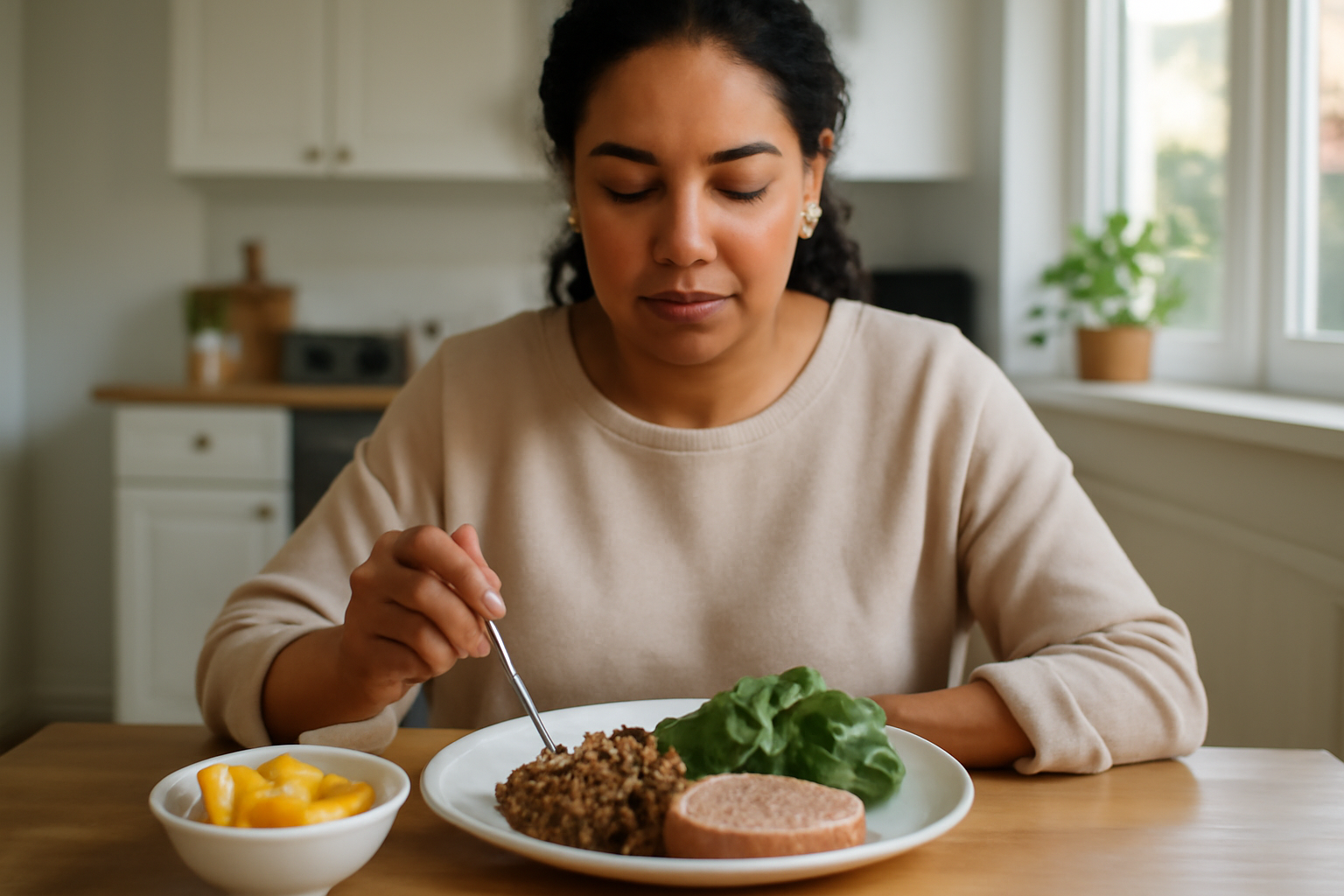
| Key reason women often need more iron | Monthly blood loss and life-stage demands (pregnancy, breastfeeding) |
|---|---|
| Earliest lab sign | Low ferritin (iron stores) before hemoglobin drops |
| Two iron types | Heme (animal foods) vs non-heme (plants) |
| Common absorption blockers | Tea/coffee and calcium taken around iron-rich meals |
| When to test | Heavy periods, pregnancy, persistent fatigue, or dietary risk |
Women ask a clear question—why do women need more iron? The short answer is that many women lose iron regularly through menstruation, then face even higher demands during pregnancy and sometimes breastfeeding. Add differences in absorption and certain medical conditions, and it’s easy to see how “normal” diets can still fall short.
Let’s map the real drivers and what to do next, so you can move from guesswork to practical steps (and yes, it’s okay to start with simple questions).
How menstrual blood loss changes iron balance (and why it’s different from men)
Menstruation increases iron needs because each period involves blood loss, which removes iron stored in the body. Over time, this can outpace dietary intake—especially when periods are heavy or frequent. That’s why many women develop iron deficiency before anything feels “dramatic.”
Iron circulates in your blood, but it’s also stored—most notably as ferritin. When you bleed, you don’t just lose “time”; you lose iron your body would normally reuse. If bleeding happens month after month, ferritin can drop first, and hemoglobin may fall later enough to cause anemia.
The “men vs women” comparison can mislead. Many men’s daily iron targets are lower because they don’t have recurring menstrual blood loss. A menstruating woman may still land inside a general recommended range, yet still end up low if bleeding is heavy or intake and absorption don’t keep up. Risk amplifiers include heavy menstrual bleeding, short cycles, and low iron intake with limited heme iron.
Iron deficiency is one of the most common nutrient deficiencies worldwide, and it’s a frequent public health concern (WHO overview of anemia). Many clinical guidelines also set higher daily iron targets for menstruating people than for men (see NIH Office of Dietary Supplements—Iron (for health professionals)).
- Heavy bleeding (soaking through pads/tampons quickly or passing large clots) increases iron loss.
- Frequent periods shorten the time your stores have to rebuild.
- Low dietary iron and low heme intake can make replenishment harder.
(And yes—some people feel “fine” until ferritin is already low.)
Pregnancy and breastfeeding: the iron demand spike you can’t ignore
During pregnancy, iron needs rise because the body supports fetal growth and expands maternal blood volume. After delivery, breastfeeding can still affect iron balance—especially if intake is low or stores were depleted before conception. Iron deficiency in pregnancy is linked with higher risk of complications, so early screening matters.
Pregnancy pushes iron demand in two directions: the fetus needs iron to build tissues, and the mother’s body increases blood volume to support placenta and delivery. If iron stores start low—often from prior menstrual losses—pregnancy can tip the balance quickly.
After childbirth, recovery plus ongoing demands can keep iron needs elevated. Breastfeeding doesn’t always increase iron needs in exactly the same way pregnancy does, but intake and overall recovery still influence whether ferritin rebounds. Postpartum anemia is common, and iron deficiency is a key driver in many cases (clinical literature and standard prenatal/postpartum care pathways).
Because of this, guidelines commonly recommend checking iron status during pregnancy—starting with early prenatal labs and repeating when clinicians see risk or symptoms (WHO anemia guidance). Screening isn’t about fear; it’s about preventing problems by treating deficiency early, when it’s most fixable.
If you’re pregnant or recently postpartum, ask your clinician what labs you need and when they’re scheduled. That conversation can be the difference between “waiting and hoping” and getting the right support on time.
Diet and absorption: why “eating iron” isn’t the same as getting iron
Iron comes in two main forms: heme (from animal foods) and non-heme (from plants). Non-heme iron is absorbed less efficiently. Absorption also drops with inhibitors like tea/coffee and improves with vitamin C. If you rely mainly on non-heme sources—or pair them with inhibitors—you can still end up deficient.
Many people assume that “iron-rich foods” automatically fix low iron. The missing step is absorption. Heme iron (in lean red meat, poultry, and fish) is absorbed more efficiently. Non-heme iron (in beans, lentils, tofu, spinach, fortified cereals) can still work, but absorption varies more from person to person and meal to meal.
Small meal tweaks help. Pair non-heme iron with vitamin C (citrus, strawberries, bell peppers) and reduce inhibitors around iron-rich meals. Calcium can reduce iron absorption when taken together, so timing matters if you use calcium supplements.
Build iron-absorbing meals (simple swaps)
- Add vitamin C: squeeze lemon or add fruit to the meal.
- Choose the timing: have tea/coffee later, not right with iron-heavy foods.
- Mix iron types: if you eat meat, combine heme and non-heme sources.
- Don’t rely on one food: spread iron-rich choices across the week.
Nutrition evidence and clinical guidance consistently point out that non-heme iron absorption is typically lower than heme iron, and vitamin C can significantly increase non-heme iron absorption in mixed meals. Calcium can also reduce iron absorption when taken at the same time—another reason timing matters.
If you’re vegetarian or vegan, you can still meet needs. Just be deliberate about pairing and inhibitors (this is one of those “small changes, big impact” situations).
Common causes beyond periods: GI issues, heavy bleeding, and higher-risk situations
Some women need more iron because they lose it or fail to absorb it for reasons other than menstruation. Examples include heavy menstrual bleeding, gastrointestinal blood loss (ulcers, hemorrhoids, inflammatory bowel disease), celiac disease, and bariatric surgery. Chronic inflammation can also affect how iron is handled, which is why labs and evaluation matter.
When iron deficiency keeps coming back, it often means the root cause isn’t only dietary. Non-menstrual blood loss can come from the gastrointestinal tract. Ulcers, hemorrhoids, and other conditions can cause microscopic or overt bleeding that gradually drains iron.
Malabsorption is another major pathway. Celiac disease is a recognized cause of iron deficiency anemia because gluten-related intestinal damage can reduce nutrient absorption. Inflammatory bowel disease can also be linked with iron deficiency through both bleeding and inflammation-related changes in iron handling. Bariatric surgery is another known risk factor for micronutrient deficiencies, including iron.
Here’s the key point: anemia can have multiple causes, so testing helps you avoid treating the wrong problem. If you have persistent fatigue, shortness of breath, or iron deficiency despite adequate dietary changes, ask your clinician whether GI evaluation or a targeted workup is appropriate.
For a broad overview of causes, see resources like NHS—Anemia causes. For public health context on iron deficiency and anemia, you can also review CDC—Iron deficiency.
- GI blood loss: ulcers, hemorrhoids, or other sources of bleeding.
- Celiac disease: reduced absorption after intestinal injury.
- Inflammatory bowel disease: bleeding and inflammation affecting iron use.
- Bariatric surgery: altered digestion/absorption and higher micronutrient risk.
How to know if you’re low: ferritin, hemoglobin, and when to get tested
Iron deficiency often starts with low ferritin (your iron storage) before hemoglobin drops. A clinician may order ferritin, a complete blood count (hemoglobin/MCV), and sometimes iron studies to confirm the cause. If you have fatigue, heavy periods, pregnancy, or dietary risk, testing helps you avoid guessing and supports targeted treatment.
Think of iron labs like a timeline. Ferritin reflects iron stores and is often the earliest abnormal marker when deficiency develops. Hemoglobin shows whether anemia is present, and MCV (red blood cell size) can help characterize the anemia pattern.
Clinicians sometimes add iron studies beyond ferritin and CBC, depending on symptoms and risk factors. The goal isn’t just to label “low iron,” but to understand whether the issue is depletion, impaired absorption, ongoing blood loss, or another contributor.
When should you ask for iron testing?
- Heavy menstrual bleeding or frequent periods.
- Pregnancy (especially early prenatal labs and follow-up if risk is present).
- Persistent fatigue, exercise intolerance, dizziness, or shortness of breath.
- Dietary risk (limited heme iron, restrictive diets without planning).
- GI symptoms or a history of celiac disease, IBD, or bariatric surgery.
In practice, clinicians often start with ferritin and a CBC, then expand testing if results are unclear or symptoms suggest more than one cause. If symptoms persist or risk factors remain, repeat testing after treatment can be reasonable.
For clinician-focused lab context, the NIH Office of Dietary Supplements offers useful guidance on iron status assessment and health implications (NIH—Iron (health professional fact sheet)).
Practical ways to meet higher iron needs safely (food first, supplements when needed)
Most women can improve iron intake with iron-rich foods and better absorption: include heme sources (lean red meat, poultry, fish) when possible, plus non-heme options (lentils, beans, tofu, spinach) paired with vitamin C. If labs confirm deficiency, oral iron supplements may be recommended, but dosing and side effects should be guided by a clinician.
Food-first strategies are a strong starting point. If you eat animal products, heme iron is a straightforward way to raise intake. If you don’t, non-heme sources can still help—just pair them with vitamin C and plan around absorption inhibitors.
When labs confirm deficiency (or strongly suggest it), clinicians may recommend oral iron. Common side effects include stomach upset, constipation, nausea, or dark stools. Many people improve tolerance by adjusting dose timing, formulation, or frequency—again, with medical guidance.
Supplement basics (high level, not a DIY plan)
- Use supplements when deficiency is confirmed or strongly suspected based on labs and risk.
- Expect GI side effects and ask about switching formulations if needed.
- Adherence beats perfection: a tolerable regimen you can stick to is often more effective.
- Pregnancy and postpartum: supplementation should be clinician-directed based on iron status and trimester/postpartum timing.
If you’re wondering whether to start iron “just in case,” don’t skip testing when risk is high (heavy bleeding, pregnancy, persistent fatigue, GI symptoms). Treating the wrong cause can delay the real fix.
For general public guidance on iron deficiency and dietary approaches, the CDC provides practical context (CDC—Iron deficiency). For supplementation and professional considerations, the NIH fact sheet is a strong reference point (NIH—Iron (health professional)).
FAQ
Why do women need more iron than men?
Women often need more iron because menstruation causes recurring blood loss, which drains iron stores over time. Pregnancy and, sometimes, breastfeeding add additional demand, and some women also face absorption or non-menstrual bleeding risks.
How can I tell if I have low iron—what tests should I ask for?
Ask about ferritin to check iron stores, plus a complete blood count (CBC) to evaluate hemoglobin and red blood cell indices. If results are unclear or symptoms suggest other causes, clinicians may order additional iron studies.
What causes iron deficiency in women besides menstruation?
Common non-menstrual causes include gastrointestinal blood loss (such as ulcers or hemorrhoids), malabsorption conditions like celiac disease and inflammatory bowel disease, and micronutrient deficiency risk after bariatric surgery. Chronic inflammation can also affect iron handling.
When should pregnant women start checking iron levels?
Many guidelines support assessing iron status during early prenatal care with follow-up based on risk factors, symptoms, and lab results. If you have heavy bleeding before pregnancy, known deficiency, or concerning symptoms, ask your clinician whether earlier testing is warranted.
How much iron do women need per day at different ages?
Daily iron needs vary by age, pregnancy status, and whether you menstruate. In the US, recommended intakes are higher for menstruating people and during pregnancy. Your clinician or the NIH Office of Dietary Supplements can help you match the right target for your age group.
Is it safe to take iron supplements if I’m not sure I’m deficient?
It’s safest to confirm deficiency with labs when possible, especially if you have risk of non-menstrual causes or symptoms that could indicate something else. Iron supplements can cause side effects and are not a one-size-fits-all solution, so clinician guidance matters.
Key takeaways
- Menstruation can steadily drain iron stores, making higher iron intake (and sometimes testing) essential for many women.
- Pregnancy creates a major iron demand spike—screening and clinician-guided supplementation can prevent complications.
- Absorption matters: pair non-heme iron foods with vitamin C and limit inhibitors like tea/coffee around iron-rich meals.
- If deficiency keeps recurring, look beyond diet—heavy bleeding, GI blood loss, celiac disease, and inflammatory bowel disease can be drivers.
- Ferritin often drops before hemoglobin, so targeted blood tests help confirm iron deficiency and guide treatment.
- Use food first to build intake, and switch to supplements only when deficiency is confirmed or strongly suspected under medical advice.
- If you have heavy periods, pregnancy, or persistent fatigue, don’t guess—get the right labs and address the root cause.
So, the real answer to why do women need more iron is a mix of biology and timing: recurring blood loss, life-stage demand, and variable absorption. When you match intake to your situation—and confirm with ferritin and CBC when needed—you protect energy, immunity, and overall health.
1 commentaire sur « Why Do Women Need More Iron? Key Reasons Explained »