
Quick Take: “Sunken in eyes” can be a cosmetic hollow under the eyes—or it can be true enophthalmos, where the eye sits farther back in the orbit.
Common triggers include under-eye volume loss, thinner skin, allergies and congestion, dehydration, poor sleep, and genetics.
If it’s sudden, one-sided, painful, or tied to vision changes, get medical advice quickly.
For appearance, start with sleep, allergy control, hydration, and targeted skincare—then consider cause-matched procedures if needed.
table class= »bf-info-table » role= »table » aria-label= »Sunken eyes overview »>
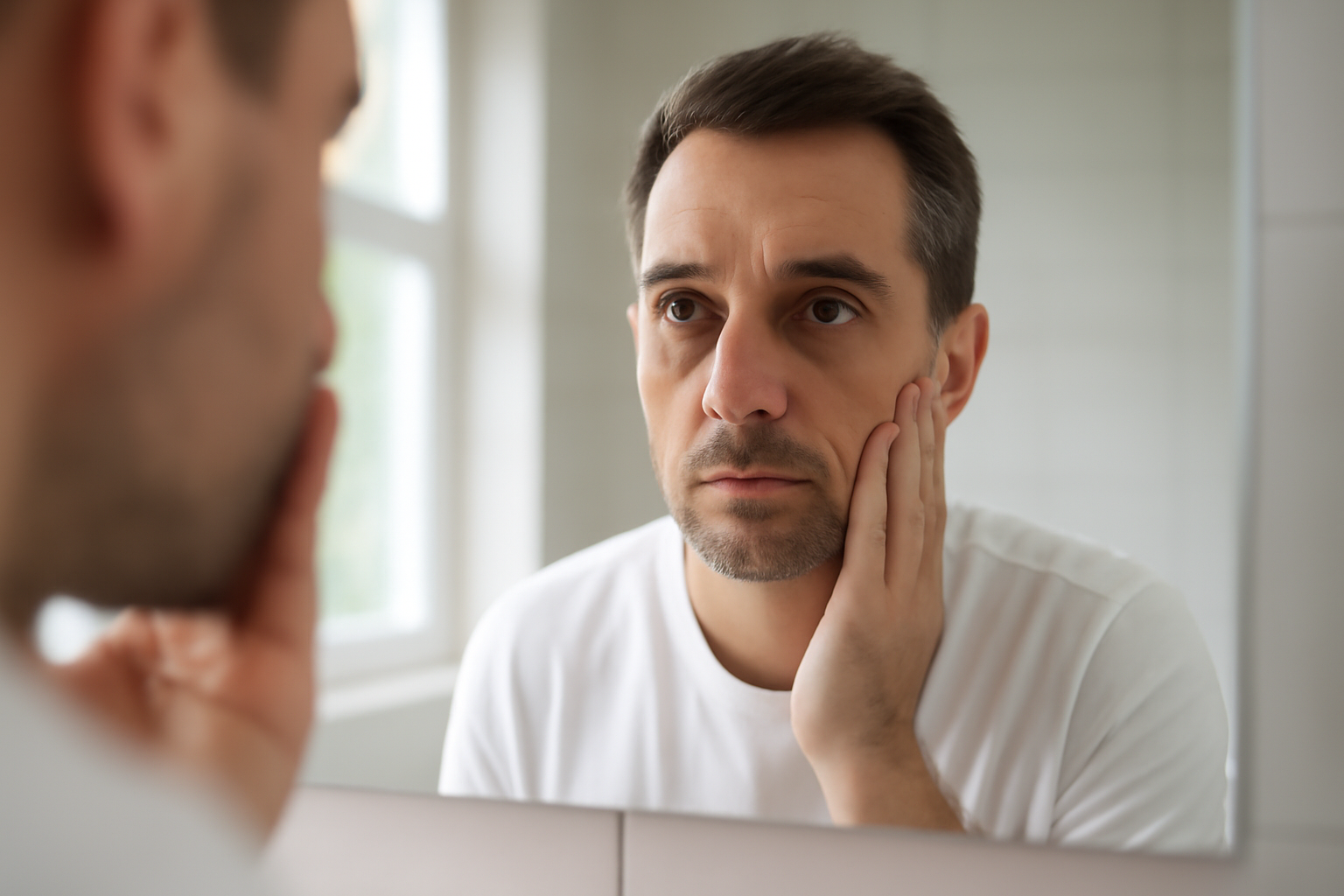
What “sunken in eyes” really means (enophthalmos vs. hollow under-eyes)
“Sunken in eyes” usually points to a hollow, recessed look under the eyes—or a deeper-appearing orbital position. In medicine, enophthalmos means the eye has moved backward in the orbit, often after trauma or other specific causes. Lots of people also get “hollow under-eyes” from fat loss, shadows, or skin thinning, so the look can be similar even when the cause isn’t.
The real clue is where the “depth” comes from. Tear trough hollowness often creates a shadow line just below the lower lid. That can make the area look recessed even if the eyeball position is normal. Enophthalmos is different: the globe itself sits farther back, which can change how the eye looks in profile and sometimes affects eye movement.
There’s overlap, though. Aging can both thin the skin and change how light reflects, while true enophthalmos can make the under-eye area look more dramatic. (And yes—lighting matters. A phone flash can make anyone look a bit more hollow.)
Common causes of hollow, dark, and recessed-looking eyes
Sunken-looking eyes usually come from a mix of aging and everyday factors: less under-eye volume, reduced collagen, and changes in how facial fat is distributed. Allergies and sinus congestion can add darkness and puffiness—then, once the swelling settles, the area may look hollowed. Dehydration, poor sleep, and genetics can deepen shadows and make the tear trough stand out more.
1) Aging changes under-eye volume and skin structure
As you get older, under-eye fat pads can shift, and the skin may lose elasticity. The tear trough—the spot where the lower lid meets the cheek—can start to look deeper. Collagen reduction also changes how smoothly skin reflects light, so shadows show up more easily.
In many cases, the complaint is really about contrast: darker pigmentation, a more shadowed tear trough, and less volume support under the eye.
2) Allergies and congestion: the inflammation-rubbing cycle
Allergic rhinitis is a common reason people rub their eyes more and feel chronically congested. Inflammation can increase under-eye swelling, and repeated rubbing can irritate skin and worsen discoloration. Over time, when swelling fluctuates and the skin barrier gets stressed, the under-eye can end up looking hollow.
If you notice seasonal flares, itchy eyes, sneezing, or persistent stuffiness, the “hollow” may be partly downstream from allergy control.
3) Lifestyle and genetics that shape your baseline anatomy
Sleep deprivation can make the tear film less stable and make under-eye darkness more noticeable. Dehydration can reduce skin plumpness, sharpening the tear trough shadow. Genetics also matters—some people naturally have deeper tear trough anatomy and less under-eye buffering volume, so the same habits show up more strongly on their face.
- Aging: volume loss + skin thinning = stronger shadows
- Allergies: rubbing and inflammation can worsen darkness and texture
- Genetics: predisposition to deeper tear trough anatomy
- Lifestyle: sleep, hydration, and stress affect contrast and puffiness
How to tell when sunken eyes might signal something more serious
Get medical evaluation if the change appears suddenly, is one-sided, or comes with pain, double vision, new vision changes, fever, severe headache, or recent facial trauma. Those patterns can point to orbital or neurologic causes—not routine hollowing. Also reach out if symptoms persist or worsen even after sleep and skincare changes.
Sudden or one-sided changes are treated as higher-risk features. If one eye looks noticeably more recessed than the other, or if the change progresses over days to weeks, don’t write it off as “just tired.” Your body doesn’t usually shift orbital position without a reason.
Recent facial trauma is a big reason to be cautious about orbital injury. Infection or inflammation around the eye can also bring concerning symptoms. New double vision (diplopia) or vision loss should be assessed promptly—waiting for cosmetic improvement isn’t the safer move.
Red flags checklist
- Sudden onset of a deeper-looking eye or under-eye recession
- One-sided change that wasn’t there before
- Pain around the eye, worsening tenderness, or pain with movement
- Vision symptoms such as blurred vision, double vision, or new blind spots
- Systemic symptoms like fever or severe headache
- Recent trauma to the face, orbit, or eye area
For official guidance on when to seek care, see NHS: when to see a doctor about eye problems. For background on enophthalmos, review AAO: Enophthalmos.
At-home improvements: sleep, allergy control, hydration, and targeted skincare
You can often improve the look of sunken eyes by reducing shadows and irritation. Start with consistent sleep, manage allergies (avoid triggers and use clinician-approved treatments), and use gentle moisturizers to support the skin barrier. For appearance, caffeine-based products can temporarily de-puff, and correctors can help with discoloration. Results are gradual and usually not permanent.
Step-by-step routine that targets the “shadow” effect
Begin with what you can control. Under-eye darkness and hollowness often look worse with poor sleep and active inflammation. Aim for a steady sleep schedule, and keep hydration consistent during the day. Then focus on calming the skin barrier so it looks smoother and reflects light more evenly.
For many people, the quickest visible change comes from lowering swelling and improving contrast. Caffeine can help with short-term de-puffing, while a corrector can camouflage pigmentation while you work on the underlying drivers.
- Sleep consistency: keep a stable schedule for several weeks, not just one night.
- Allergy control: manage triggers and follow evidence-based options from a clinician.
- Gentle hydration: use a moisturizer that supports the barrier; avoid harsh scrubs near the eyes.
- De-puffing: try a caffeine product in the morning for a short-term contrast boost.
- Camouflage: use a small amount of color-correcting concealer to neutralize darkness.
Allergy-focused habits that reduce rubbing
If allergies are part of the story, the goal is to break the rubbing cycle. Cold compresses can calm irritation, and treating nasal congestion may indirectly reduce eye symptoms. When allergies are chronic, a clinician can recommend safe, targeted therapy instead of guesswork.
Most at-home changes take weeks. If you don’t see progress—or if you notice new asymmetry—move from “skincare only” to evaluation. (That’s not overreacting; it’s smart.)
Treatment options that actually change volume or structure (from procedures to surgery)
When hollowing is driven by volume loss or deep tear trough anatomy, procedures may help more than skincare. Depending on your situation, options can include dermal fillers (for tear troughs, using appropriate technique), fat grafting in selected cases, and resurfacing or energy-based treatments for skin quality. If true enophthalmos is present due to an underlying cause, treatment depends on the etiology and may require specialist care—and sometimes surgery.
Cosmetic procedures: match the tool to the cause
Dermal fillers are commonly used for tear trough hollowness in aesthetic practice. The best results depend on anatomy, product choice, and technique—especially because the tear trough area is delicate. A skilled clinician will assess whether your issue is mostly shadowing and volume loss or whether it suggests changes in orbital positioning.
Fat grafting can be an option in selected cases when more durable volume restoration is needed. Skin-quality treatments—energy-based approaches or resurfacing—may improve texture and light reflection, which can make hollowness look less pronounced.
When the problem is structural (true enophthalmos)
If the cause is true enophthalmos, the plan shouldn’t be “cosmetic only.” Specialist evaluation is usually needed to identify the underlying driver (for example, trauma-related orbital changes). Imaging may be recommended so clinicians can understand the orbit and eye position before deciding on treatment.
- Fillers: often used for tear trough hollowness (cause-matched technique matters)
- Fat grafting: selected cases for more volume restoration
- Skin quality treatments: texture and tone improvements that reduce shadow contrast
- Structural causes: specialist-led treatment; surgery may be considered when indicated
Safety is the deciding factor. Choose an experienced clinician, discuss risks clearly, and avoid rushing decisions based on before-and-after photos alone.
A practical self-check and next steps: what to ask your clinician
Start with a self-check: note when the change began, whether it’s one-sided, and any accompanying symptoms (pain, vision changes, trauma history). Take clear photos in consistent lighting. If you see red flags or persistent asymmetry, book an appointment with a primary care clinician or an ophthalmologist. Ask whether it looks like hollowing versus enophthalmos, and whether imaging or allergy evaluation is needed.
Do a quick, structured audit
Grab your phone and document your baseline. Use the same spot, the same window light, and the same camera distance each time. Compare your under-eye area over 2–4 weeks—especially if you’re also adjusting sleep and allergy control.
Then write down symptoms. Small details matter: itchiness, congestion, watery eyes, pain with eye movement, or a recent bump to the face. (It doesn’t have to be dramatic—just useful.)
Questions to ask at your visit
- “Do my findings look like tear trough hollowness or true enophthalmos?”
- “Is imaging needed to evaluate the orbit or eye position?”
- “Could allergies or sinus congestion be driving inflammation and rubbing?”
- “What symptoms would mean I should seek urgent care?”
- “If cosmetic treatment is appropriate, what options fit my anatomy and risk profile?”
If you’re also dealing with broader eye health concerns, general guidance from the CDC on eye health basics can help you understand when routine checkups and eye exams matter.
FAQ
How can I tell if my sunken eyes are just “tear troughs” or true enophthalmos?
Look for clues: tear trough hollowness usually emphasizes a shadow line below the lower lid, often with normal eye movement and no orbital symptoms. Enophthalmos is about the eye sitting farther back in the orbit; it may be associated with one-sided change, trauma history, or eye-position concerns. A clinician can confirm with an exam and, if needed, imaging.
What’s the most worrying sign when eyes suddenly look more sunken?
Sudden onset—especially if it’s one-sided—should be treated as a higher-risk pattern. If it also comes with pain, double vision, vision loss, fever, severe headache, or recent facial trauma, seek prompt medical evaluation.
Why do my eyes look more sunken in the morning or after allergies?
Morning changes can reflect overnight dehydration, fluid shifts, and contrast from reduced puffiness. After allergies, inflammation and rubbing can alter under-eye pigmentation and swelling patterns. As swelling fluctuates, the tear trough may look deeper once puffiness settles.
When should I see a doctor for sunken eyes with pain, blurred vision, or diplopia?
Consult urgently when pain, blurred vision, or diplopia (double vision) appears. These symptoms can indicate orbital or neurologic issues rather than routine hollowing, so prompt assessment is the safer choice.
How long does it take to see improvement from sleep, hydration, and a skincare routine?
Topical and lifestyle changes usually show effects over weeks, not days. Many people notice a modest contrast improvement within 2–4 weeks (especially with de-puffing and barrier support), while deeper volume-related changes typically require longer timelines or procedural options.
Can sunken eyes be related to a disease or trauma?
Yes. While many cases are cosmetic or age-related, true enophthalmos can be linked to underlying orbital causes, including trauma. If the change is sudden, one-sided, or accompanied by pain or vision symptoms, medical evaluation is warranted.
Key takeaways
- “Sunken in eyes” can mean cosmetic hollowing or true enophthalmos—knowing the difference helps you choose the right next step.
- Common causes include volume loss, skin thinning, allergies, congestion, and genetics that deepen shadows.
- Get prompt care if changes are sudden, one-sided, painful, or accompanied by vision symptoms or recent trauma.
- At-home steps (sleep consistency, allergy control, gentle hydration, and de-puffing/correcting products) can improve appearance over weeks.
- Procedures like fillers or resurfacing can help when structure or volume is the main driver, but safety and technique matter.
- Track onset and symptoms with consistent photos, then ask your clinician whether you need evaluation for hollowing versus orbital causes.
- The best plan is cause-matched: manage allergies/inflammation first, then consider appearance-based options if no red flags exist.
When you’re trying to understand sunken eyes, the goal isn’t to guess—it’s to match the cause to the solution. If the change is gradual and bilateral, at-home and skincare strategies may help. If it’s sudden, one-sided, or comes with pain or vision changes, get checked promptly.
External references: American Academy of Ophthalmology (AAO): Enophthalmos, Wikipedia: Enophthalmos, NHS: When to see a doctor about eye problems, CDC: Eye health basics.