Quick Take: You can often swim with a yeast infection, but the symptoms may flare—especially if you stay damp afterward.
Chlorine usually doesn’t “spread” Candida. Most of the irritation comes from heat, friction, and wet swimwear.
Skip hot tubs, and stop swimming if you notice red-flag symptoms.
If you swim, rinse, pat dry gently, and change out of wet clothing right away.
| Pool type | Chlorinated pools are usually low risk for spreading; symptoms can still flare. |
| Main risk | Heat, friction, and prolonged dampness in wet swimwear. |
| Hot tubs | Higher irritation risk; many clinicians advise avoiding during active symptoms. |
| Stop and get checked | Fever, pelvic pain, foul odor, sores/ulcers, or bleeding. |
| Best prevention | Limit time, rinse after, pat dry gently, change out of wet clothing. |
| Treatment timing | Follow your clinician’s antifungal instructions about water exposure. |
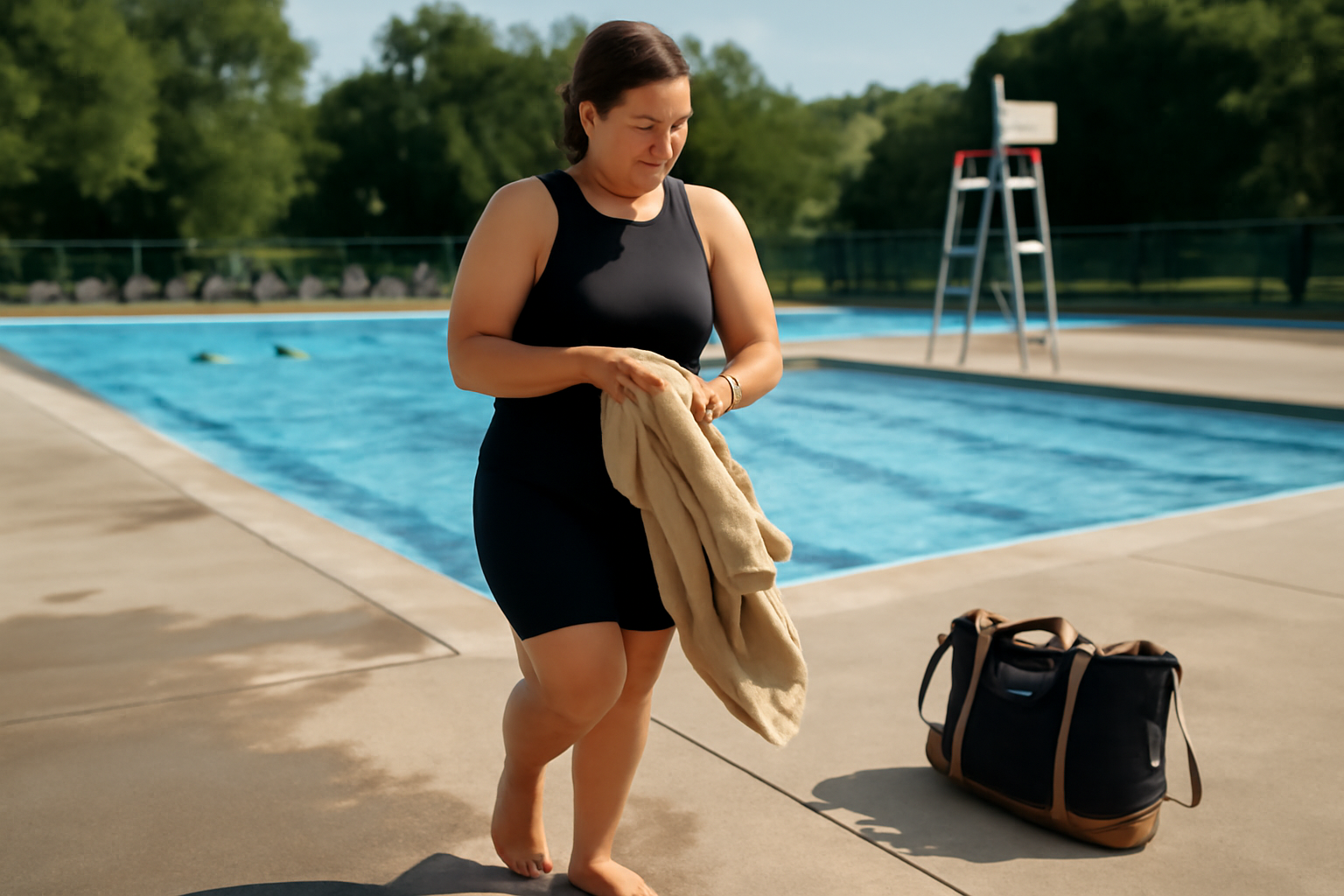
Swimming in a pool with a yeast infection can be safe for many people, but it depends on your symptoms, the type of pool, and what you do with moisture afterward. A chlorine-treated pool usually doesn’t “feed” Candida the way some myths claim. More often, the discomfort is from friction, heat, and dampness during and after your swim.
Quick reality check: if you feel worse as soon as you get in, that’s your cue to adjust—or get out.
What a yeast infection is (and why swimming can feel worse)
A vaginal yeast infection is usually caused by Candida overgrowth. It can show up as itching, burning, redness, and discharge. When you swim, you add friction, warmth, and moisture—so irritation can intensify even if pool chlorine isn’t actually worsening the yeast itself.
Most cases involve Candida albicans, but other Candida species can be involved too. When vulvar and vaginal tissues are already inflamed, anything that keeps the area damp or rubs against sensitive skin can make the burning feel sharper.
There’s also the “after” part. Prolonged dampness and trapped moisture in swimwear are common once you’re out of the water (even if you feel “clean”). Symptoms can come and go, so a bad day doesn’t automatically mean the infection is spreading.
Common yeast infection symptoms
- Intense itching or irritation
- Burning sensation (especially with urination or friction)
- Redness and swelling of the vulvar area
- Thick, white discharge (often described as “cottage cheese”)
- Sometimes mild discomfort during sex
Is it safe to swim in a chlorinated pool with Candida symptoms?
For most people, swimming in a properly maintained chlorinated pool is unlikely to spread a yeast infection. Yeast isn’t typically transmitted through pool water the way some other infections can be. Chlorine disinfects water, but the bigger issue is usually a symptom flare from wet swimwear and friction—not “pool-caused” worsening of Candida.
It helps to separate two things: spreading the infection versus feeling more irritated. Chlorination targets microbes in the water. Yeast infection symptoms are driven by your local vaginal and vulvar environment. If your tissues are already inflamed, a swim can make them feel angrier even if the underlying Candida balance hasn’t changed.
Pool safety still depends on maintenance. A well-filtered, correctly sanitized pool (with appropriate sanitizer levels and routine water treatment) is the standard for public swimming. Still, stop swimming and get medical advice if you notice rapidly worsening burning, new bleeding, or severe pain.
What “properly maintained” usually means
- Routine filtration and water circulation
- Appropriate sanitizer levels and regular testing
- Clean facilities and prompt removal of obvious debris
- Good bather practices (showers, staying within rules)
For more on antimicrobial resistance and why hygiene matters, see the WHO overview of antimicrobial resistance.
What about hot tubs, spas, and warm water: higher risk, lower payoff
Hot tubs and warm spas are a different story. Warm, enclosed water increases exposure time and keeps moisture around the vulvar area. Even if chlorine is present, hot tubs often have different bather loads and water-handling conditions. Many clinicians recommend skipping hot tubs during active symptoms to reduce irritation and avoid potential complications.
Warm temperatures can also increase irritation in sensitive tissues. Add longer soak times, and you get more friction (movement or settling), more trapped moisture, and a higher chance that symptoms will flare. Honestly, the “benefit” usually doesn’t outweigh the risk of feeling worse.
Hot tubs can be maintained differently than standard pools. Heat, crowding, and enclosed water can increase the chance of irritants and microbial exposure even with disinfection. A simple rule works best: skip hot tubs until symptoms improve.
For general guidance on vaginal thrush (yeast infection) and symptom management, the NHS page on vaginal thrush is a helpful starting point.
How to protect yourself while swimming: practical hygiene and timing
If you decide to swim, aim to reduce irritation. Choose breathable swimwear, limit your time, and change out of wet clothing as soon as you can. Afterward, rinse with clean water, pat dry gently, and avoid scented products. If you’re using antifungal treatment, follow your clinician’s instructions about timing and whether to use an applicator before or after water exposure.
Think of moisture and friction as the two levers you can control. The longer you stay in damp swimwear, the more likely you are to keep the area warm and rubbed. So plan your swim like you’d plan anything that affects comfort: short session, quick rinse, immediate dry clothing.
Gentle drying matters. Patting dry helps prevent micro-irritation that can worsen burning (and it beats aggressive rubbing). Also skip scented wipes, deodorizing sprays, or bubble baths right after swimming—they can irritate tissue that’s already sensitive.
Practical steps before and after your swim
- Before: Keep swim time short and choose breathable, well-fitting swimwear.
- During: If burning increases, get out right away and don’t “push through.”
- After: Rinse with clean water, pat dry gently, and change out of wet clothing immediately.
- Hygiene: Use gentle, unscented products; avoid douching.
- Treatment: Coordinate antifungal timing with swimming based on your clinician’s instructions.
If you want broader background on the condition, vulvovaginal candidiasis background can help with terminology (just keep your decisions tied to your symptoms and treatment plan).
When you should not swim: red flags and “get checked” criteria
Avoid swimming and seek medical care if you have severe pain, fever, pelvic pain, foul-smelling discharge, sores or ulcers, or bleeding. These can point to something other than a routine yeast infection (for example, bacterial vaginosis, STIs, or dermatitis). Also skip swimming if symptoms are rapidly worsening despite self-care or antifungal treatment.
Misidentification is common because several vaginal conditions overlap in symptoms. A yeast infection can cause burning and discharge, but fever, pelvic pain, and bleeding are “don’t wait” signs in gynecologic care. If any of those show up, swimming is the wrong next step.
If symptoms don’t improve after appropriate treatment, reassessment is the move. It’s not failure—it’s accuracy. You deserve the right diagnosis so you can treat what’s actually causing the problem.
Stop swimming and get evaluated if you notice
- Fever or chills
- Pelvic pain or lower abdominal pain
- Foul odor or an unusual discharge pattern
- Sores, ulcers, or visible skin breakdown
- Bleeding or new spotting that wasn’t expected
- Severe pain that interferes with normal activities
- No improvement (or worsening) after starting appropriate antifungal therapy
For broader clinical context on STI treatment considerations, you can review CDC STD treatment guidelines (especially when symptoms don’t fit a typical yeast pattern).
Can swimming make a yeast infection spread to others or to other body areas?
Yeast infections aren’t usually spread through pool water. The bigger concern is transferring moisture and irritants through shared towels or staying in wet swimwear. Candida can colonize skin and mucosal surfaces, so irritation can spread locally if hygiene is poor. To reduce risk, don’t share towels, rinse after swimming, and keep the area dry.
Pool-water transmission is generally considered low when the pool is properly disinfected. The more realistic risk factors are direct-contact behaviors and prolonged dampness—especially shared towels or staying in wet clothing longer than necessary.
Local recurrence (or “it feels like it’s spreading”) often follows moisture, friction, and inconsistent treatment. So if you’re trying to protect household members and your own skin, focus on simple prevention steps that actually reduce exposure.
How to lower transmission risk
- Don’t share towels, washcloths, or underwear.
- Rinse after swimming and pat dry gently.
- Change out of wet swimwear right away.
- Use clean, breathable underwear after the swim.
- Keep antifungal treatment consistent as directed.
(Side note: most people worry about “catching” yeast from a pool, but dampness plus friction is the everyday culprit.)
FAQ
Can I go swimming with a yeast infection if I still have itching?
You may be able to swim if your symptoms are mild and stable, but itching often means your skin is already irritated. Plan for a short swim, reduce friction, and get out if burning increases. If itching is severe or getting worse, skip swimming and get evaluated.
Will chlorine in a pool kill Candida, and will it stop my symptoms?
Chlorine disinfects pool water, but it usually doesn’t treat the Candida environment inside the vagina. Your symptoms may flare because of moisture and friction. Swimming isn’t a reliable “treatment,” so use antifungal therapy as directed by your clinician.
Is it safe to swim in a hot tub with a yeast infection?
Hot tubs are usually a bad idea during active symptoms. Warm, enclosed water increases irritation and exposure time, and hot tubs may have different bather loads and handling conditions. Avoid hot tubs until symptoms improve.
How long should I wait to swim after starting antifungal treatment?
There isn’t one universal time because it depends on the product and route (oral vs. topical) and your clinician’s instructions. Follow the label and your clinician’s guidance, especially if you’re using vaginal creams or suppositories.
Can swimming make a yeast infection come back or get worse?
Swimming can make symptoms feel worse by increasing friction and trapped moisture, which can look like “getting worse.” It can also contribute to local recurrence if you stay damp too long. Proper rinsing, gentle drying, and changing quickly help reduce this.
When should I see a doctor instead of swimming with a possible yeast infection?
See a clinician instead of swimming if you have fever, pelvic pain, foul-smelling discharge, sores or ulcers, or bleeding. Also get checked if symptoms rapidly worsen or don’t improve after appropriate treatment, since it may not be a simple yeast infection.
Key takeaways
- Swimming in a properly chlorinated pool is often unlikely to spread yeast, but it can worsen irritation.
- Your main risk is symptom flare from heat, friction, and staying in wet swimwear.
- Avoid hot tubs and warm spas until symptoms improve.
- If you swim, limit time, rinse after, and change out of wet clothing immediately.
- Don’t share towels; keep the area dry and use gentle, unscented hygiene.
- Stop swimming and get checked if you have severe pain, fever, pelvic pain, foul odor, sores, or bleeding.
- If symptoms don’t improve with appropriate treatment, reassess the diagnosis before swimming again.
So if you’re deciding whether to go, keep this in mind: swimming in a pool with a yeast infection is often manageable with smart timing and hygiene—but your body’s red flags should always come first.