
Quick Take
- Your period usually doesn’t stop in water; it often looks and feels lighter.
- Water can dilute and hide blood, so spotting or flow may seem reduced.
- Swimming is generally safe—use a tampon, cup, or period swimwear for comfort and hygiene.
Does your period stop in water? Most people are surprised by the answer: it usually doesn’t truly stop. You might notice less bleeding, fewer visible streaks, or a brief “pause” feeling once you’re in the pool—but your menstrual cycle can keep going as usual.
What changes is what you can see and feel. Water pressure, temperature, and how blood mixes with water can shift color, volume, and sensation. If you’re planning a swim, a little prep helps you stay comfortable the whole time.
Does menstrual flow stop in water, or just slow down?
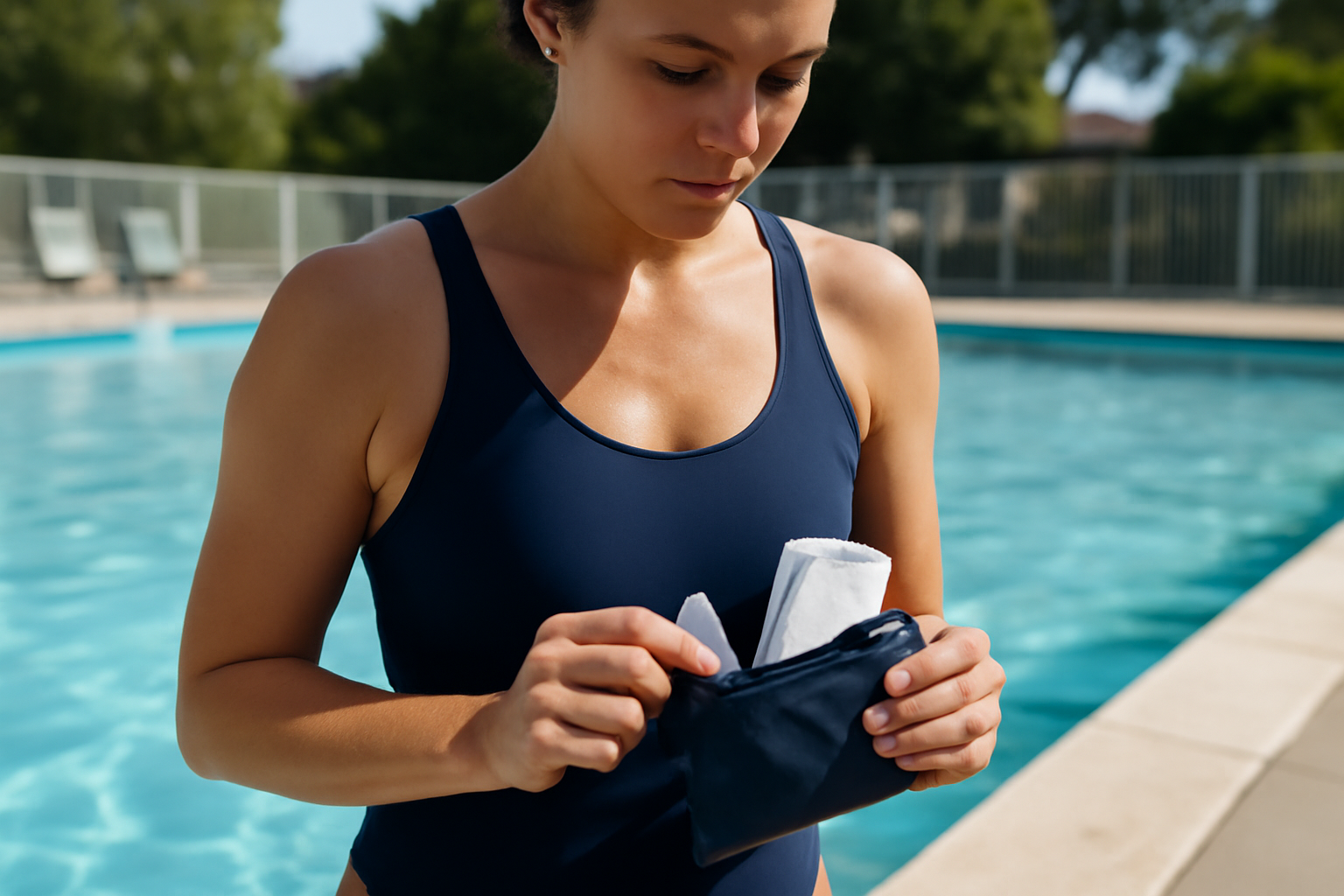
Your period generally does not “stop” when you get in water. Bleeding may seem to slow or pause because water pressure, temperature, and the way blood disperses can change what you notice. If you’re using a tampon, cup, or period underwear, the product—not the water—controls how much fluid escapes.
Water can also change visibility and sensation, so the same cycle can feel different minute to minute. Many people report less spotting in water, especially on lighter days, but it varies by cycle day and how heavy your flow is.
If you’re not using protection, blood can still leave the body in the water. That doesn’t mean your period is “bad” or “dirty”—it’s just fluid mixing with pool water. Still, it can feel different because you can’t judge it the same way you would on dry skin.
Why it can feel like your period stops when you swim (the real mechanics)
When you enter water, a few things can make bleeding seem to stop. Blood can disperse, water pressure can temporarily reduce outward flow, and warm water may relax pelvic muscles. On top of that, water can mask color and volume, so you may not notice what’s still happening.
Dilution and mixing make blood harder to see. Even if you’re bleeding normally, the water environment can spread tiny amounts so they don’t form the same “visible” pattern you expect.
Pressure and muscle relaxation can also change how bleeding feels. Warm water is often reported to ease cramps; when discomfort drops, it’s easier to interpret flow as “less.”
Swim length and movement matter, too. A quick dip might make spotting seem to vanish, while a longer swim can bring back noticeable leaks—especially if you’re using no protection or your product is close to capacity.
Is it safe to swim on your period? Hygiene, comfort, and skin care
Yes—swimming on your period is generally safe. Water doesn’t make periods “dirty,” and it won’t harm you or the pool. The real focus is comfort and hygiene: pick a method that matches your flow, rinse after swimming, and avoid leaving wet swimwear on for too long to reduce irritation.
Public health and medical sources consistently say menstruation isn’t a reason to skip swimming. Your body is doing what it normally does; the water environment doesn’t create a medical problem by itself.
Comfort depends on what you use. If you choose a tampon, cup, or period swimwear that fits your flow, many people don’t feel the need to change plans. If you’re prone to irritation, rinsing promptly and changing out of wet clothing helps prevent prolonged damp conditions (which can make skin more sensitive).
Small habits help: pack a backup pad or liner, bring a towel, and consider a quick rinse as soon as you’re done. (It’s not dramatic—just smart.)
What to use in the water: tampon, menstrual cup, or period swimwear
For swimming, the most reliable options are products made to hold menstrual fluid internally or manage it on the outside. Tampons and menstrual cups collect bleeding so it doesn’t freely escape into the water. Period swimwear is designed to absorb and contain lighter flow, but it may not be the best choice for very heavy days.
Tampons are a popular option because they’re compact and built for internal absorption. Follow the package instructions for absorbency and timing, and don’t exceed the labeled wear limit. If you’re wondering whether does your period stop in water, a tampon is one of the best ways to prevent visible leaks.
Menstrual cups collect fluid internally and can be worn longer than many people expect. Exact timing depends on the product size and the manufacturer’s directions—check the specific model for safe wear time and how often to empty.
Period swimwear tends to work best for light to moderate flow. It’s convenient and often comfortable for casual swims, water parks, or short beach days. For very heavy days, it’s smart to have a backup plan—like a tampon or cup—so you’re not relying on absorption alone.
How long can you swim without changing protection? Timing and practical tips
How long you can swim depends on what you use and how heavy your flow is. Stick to the product’s maximum wear time and change promptly after swimming. Using a tampon? Don’t exceed the labeled limit. Using a cup? Empty and reinsert as directed. With swimwear, think about your swim duration and how much your garment can absorb.
Use the manufacturer’s maximum wear times as your safety rule. Tampon labels often include a “do not exceed” window (commonly up to 8 hours, depending on the product), so check your specific box—especially if you’re planning to stay in the water longer than usual.
Plan a quick change routine after you swim. Pack the essentials in a small bag: fresh underwear, a towel, and a replacement product. If you’re at a pool, rinse and change soon after you get out to reduce friction and irritation from damp fabric.
Trying a new product? Start with a shorter swim. That way you learn how your body responds and how your flow behaves in water—without turning one outing into a stressful test.
When bleeding in water is heavier than expected (and when to get medical advice)
If you notice bleeding that seems much heavier than usual, persistent spotting between periods, or bleeding after sex, it may not be related to swimming and could be worth a medical check. Get urgent care if you have very heavy bleeding (for example, soaking through protection quickly), dizziness, or severe pain. Swimming doesn’t cause dangerous bleeding, but it can make changes more noticeable.
Swimming can reveal your usual flow pattern more clearly because visibility and movement are different in the water. Still, if your bleeding feels dramatically off from your normal cycle, treat it as a health signal—not a “swim problem.”
Watch for red flags: very heavy bleeding, severe pain, or unusual timing. Seek urgent care if you’re soaking through protection rapidly or you feel faint—those are common clinical warning signs.
Unscheduled bleeding can have many causes. If it’s frequent, persistent, or getting worse, contact a clinician. If you want background on menstrual health, you can also review guidance from ACOG on menstruation and general public health info from WHO: menstruation.
FAQ: Does your period stop in water?
Comment savoir if my period really stopped in water or just looks lighter?
Your period usually doesn’t stop just because you’re in water. It may look lighter due to dilution and masking, while bleeding can continue at a normal pace. Using protection (tampon, cup, or period swimwear) gives the most reliable control over visible leakage.
Quel protection is best for swimming if you have a heavy flow?
For heavy flow, internal protection is typically the most dependable. A tampon or menstrual cup can hold menstrual fluid so it doesn’t freely escape into the water. If you use period swimwear, treat it as better for light to moderate days and consider a backup plan for very heavy days.
Pourquoi does my period seem to stop when I’m in the pool?
Water can disperse blood, reduce outward flow temporarily, and mask color and volume. Warm water may also relax pelvic muscles, which can reduce cramping and change how you interpret your flow. In short: it often looks like it stopped, even when bleeding continues normally.
Quand should I change a tampon or menstrual cup after swimming?
Change based on the product’s maximum wear time, not on how long you were in the pool. After swimming, rinse if needed, dry off, and replace promptly. For tampons, don’t exceed the labeled limit (often up to 8 hours depending on the product). With a cup, empty and reinsert as the manufacturer directs.
Combien time can I swim on my period without changing protection?
Follow the maximum wear time on your product label. Many tampon products advise not exceeding a window such as 8 hours, while cups often allow longer wear depending on the brand and model. If you’re using period swimwear, your safe “time” depends on how heavy your flow is and the garment’s absorption capacity.
Est-ce que it’s safe to swim without a tampon or cup?
Yes, it can be safe, but you may see more visible bleeding and staining. If you swim without internal protection, consider period swimwear and plan to change promptly afterward for comfort and hygiene. For tampon and cup basics, see NHS guidance on using tampons and NHS guidance on menstrual cups.
Key takeaways
- Your period usually doesn’t stop in water; it often just looks and feels lighter.
- Warm water, pressure, and dilution can mask bleeding without changing your cycle.
- Swimming is generally safe during menstruation—focus on comfort and hygiene.
- Tampons and menstrual cups are the most dependable for containing flow in the water.
- Period swimwear can work for light to moderate flow, but it may not suit very heavy days.
- Follow the product’s maximum wear time and change promptly after swimming.
- If bleeding is unusually heavy or comes with severe symptoms, contact a clinician—swimming isn’t the cause.
So, does your period stop in water? Usually no. It’s more accurate to say the water changes what you notice—then your cycle continues. With the right protection and simple after-swim hygiene, you can enjoy your time in the pool without second-guessing every splash.