
Quick Take
- Most periods don’t truly stop in water—you usually just notice less bleeding.
- Once you’re out, gravity and normal vaginal pressure return, so bleeding can look like it “starts again.”
- Track duration and symptoms: 3–7 days is typical, but new, very heavy, or painful bleeding needs care.
Can a period stop in water and start again? A lot of people notice a start–stop pattern when they swim or shower, then worry their cycle is “off.” The truth is simpler: what you can see changes, and timing plus symptoms usually matter more than what happens while you’re submerged.
Water can make blood look less obvious, slow drainage, or dilute what’s in the pool or shower. Still, your menstrual cycle generally follows its own schedule. If the pattern is new, unusually heavy, lasts too long, or comes with concerning symptoms, it’s smart to get checked.
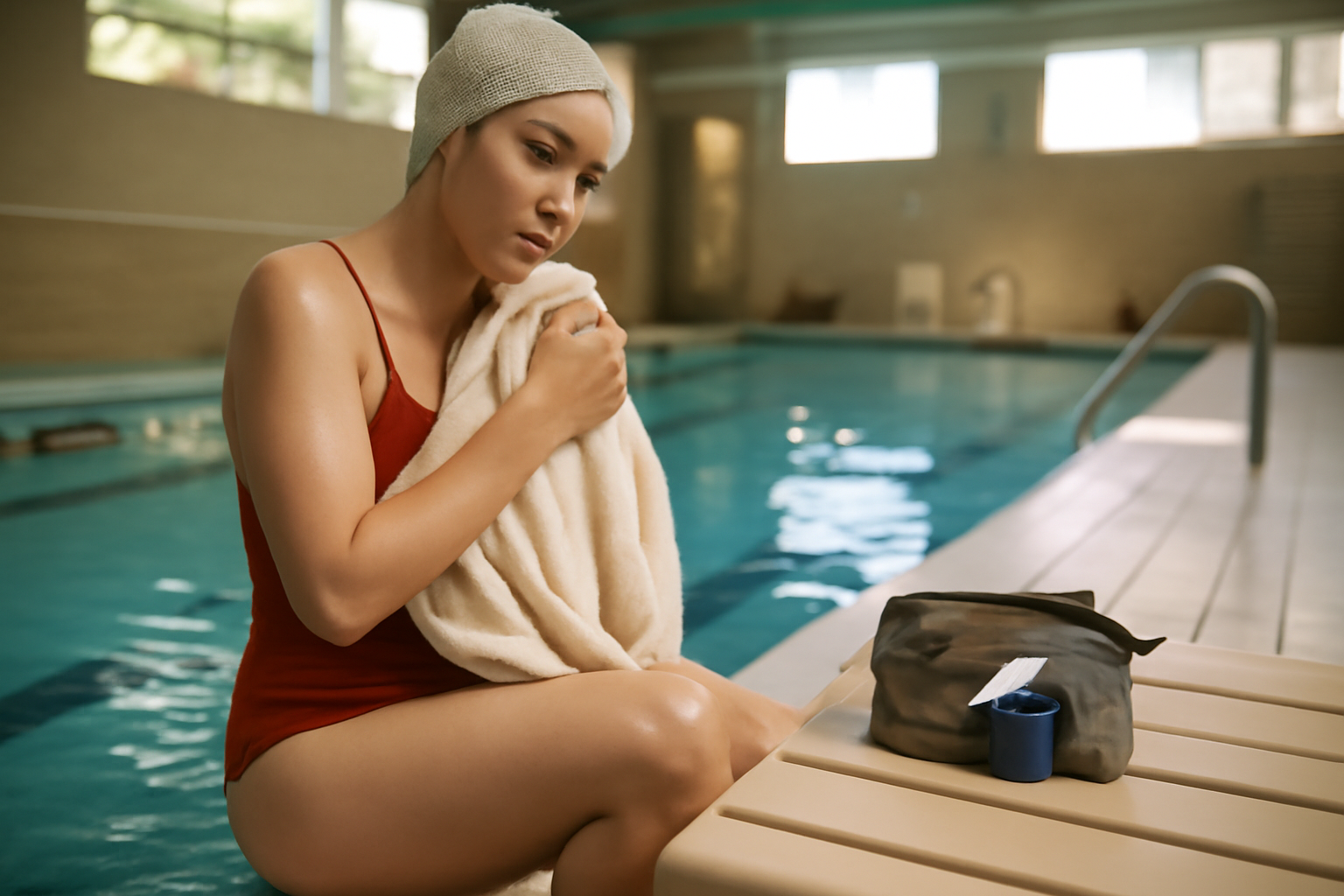
Does menstrual flow stop in water, or just look different?
For most people, menstrual bleeding doesn’t fully “stop” just because you’re in water. Water pressure, buoyancy, and movement can reduce visible bleeding, slow how quickly blood leaves the vagina, or spread/dilute it in the pool or shower. The pattern you see may shift, but the cycle underneath usually keeps going.
Here’s the key difference: not seeing blood isn’t the same as true cessation. While you’re submerged, blood may travel differently and be harder to detect in that environment. When you’re standing or sitting upright, gravity helps normal drainage resume, and bleeding may become easier to notice again.
Timing helps too. Most menstrual cycles run about 21–35 days, and bleeding typically lasts about 3–7 days. If your day-to-day changes still fit that window, it’s often normal variation rather than a water-specific “pause.”
Frequent entry and exit can also create a start–stop illusion. Each time you get in or out, pressure and position change, so visibility can shift even if your cycle hasn’t restarted. (Bodies are dramatic like that.)
Why your period can start and stop again after swimming or bathing
When you get out of the water, gravity and normal vaginal pressure return. Any blood that was slowed or pooled can drain out, so it may look like your period restarted. That can create a start–stop–start pattern—especially with frequent water breaks, longer swims, or heavier flow days.
Inside the water, movement and pressure can affect how quickly blood leaves the body and how much you notice. Then, once you’re out, drainage often resumes at a different pace. That shift is what makes the bleeding seem like it paused while you were swimming.
Common triggers include spending more time in the water, getting in and out repeatedly (even a “quick dip”), or being on a heavier day where small changes stand out more. Also, if you’ve been wearing a liner or tampon before and after, the product’s absorption can change what you see.
Within a typical period length of 3–7 days, day-to-day variation is common. If the start–stop pattern stays within your usual cycle duration and doesn’t bring new severe symptoms, it’s usually not a sign of a problem.
What’s normal to see: lighter flow, clots, and color changes in the same cycle
It can be normal for bleeding to be lighter at times, including during days when you notice less in water. Clots can show up when blood pools briefly, and color can range from bright red to dark brown depending on how long blood has been in the uterus. What matters most is your overall duration and whether symptoms are severe.
Many people notice color shifts as their period progresses. Bleeding often starts more red, then can turn brown as flow slows and blood oxidizes. That change can happen even within the same day—especially if you have a lighter moment between heavier waves.
Clots are another common “is this normal?” concern. In a typical cycle, clots can form when blood collects briefly before leaving the uterus. If you’re seeing occasional small clots and your period still lasts about 3–7 days, that often matches normal physiology.
The bigger issue isn’t one color or one lighter day—it’s the overall pattern. If your bleeding lasts beyond about 7 days, is dramatically heavier than your usual, or includes severe pain, that’s more concerning than water-related visibility changes.
When color and clots are more likely “normal”
- Color shifts from red to brown as your flow slows.
- Clots appear occasionally, especially during heavier moments.
- The total duration stays within your typical range.
When to treat it as a red flag
- Very large clots repeatedly.
- Bleeding that feels unusually heavy for you.
- New dizziness, faintness, or severe pelvic pain.
When stopping and restarting could signal a health issue (and when to seek care)
A period that repeatedly stops and starts can still be normal, but it can also happen with hormonal or uterine issues—especially if the pattern is new for you, your bleeding is unusually heavy, or you have pain, fever, dizziness, or bleeding between periods. Persistent irregular bleeding deserves a clinician evaluation to rule out causes like fibroids or endometrial problems.
Water can explain a one-off start–stop pattern, but it can’t explain ongoing cycle irregularity across dry days. If your period timing changes even when you’re not swimming or bathing, that points more toward a cycle-related cause than a visibility effect.
Urgency matters when bleeding is heavy or you feel unwell. Many clinical settings use a practical safety threshold: seek urgent care if you soak through a pad or tampon every hour for several hours, or if you feel faint or lightheaded. If symptoms are severe, getting evaluated sooner is the safer move.
Clinicians may ask about your history, cycle regularity, contraception, recent pregnancy possibility, medications, and symptoms like pelvic pain or bleeding between periods. Depending on your situation, they can consider a pelvic exam, blood tests, and imaging to check for fibroids, polyps, thyroid or hormone issues, infection, or other causes.
If bleeding is new or keeps changing from cycle to cycle, timing matters more than one water event. Track what happens over 2–3 cycles and share it with a healthcare professional.
How to swim or bathe safely during your period (tampon, cup, or period swimwear)
If you want to swim, options that help manage leakage include tampons, menstrual cups, or period swimwear. Water can mask bleeding, but it doesn’t eliminate it. Choose products you tolerate well, change them as recommended, and stop if you feel pain or unusual symptoms. If you’re unsure, start with a familiar method before trying a longer swim.
Safety mostly comes down to comfort, correct use, and timely changes. Tampons are common for swimming because they sit inside the vagina and help prevent outward leakage. Menstrual cups can also work well for water activities, but correct placement and emptying schedules are crucial.
Many tampon instructions recommend changing at least every 4–8 hours—follow the specific product label you use. With any internal method, don’t push the maximum wear time. If you notice pain, trouble removing the product, or unusual symptoms, stop and seek medical advice.
Period swimwear is designed to contain light-to-moderate flow. It can be a good option for shorter swims or for people who prefer not to use internal products. For very heavy days, it may not perform as well, so plan accordingly.
Simple safety checklist before you get in
- Pick a method you already know how to use comfortably.
- Check product instructions for change intervals and fit.
- Consider starting with a shorter swim to see how your body responds.
- Bring a backup option (spare product or extra swimwear).
When to avoid swimming and get medical advice
- Severe pelvic pain, fever, or signs of infection.
- Unusually heavy bleeding with dizziness or faintness.
- Bleeding that seems unrelated to your usual period pattern.
Tracking and next steps: how to tell “normal variation” from a pattern worth checking
To figure out whether your pattern is normal, track dates, total duration, flow level, and symptoms for 2–3 cycles. Note whether changes happen only around swimming/bathing or also on dry days. If you consistently have very irregular timing, unusually heavy bleeding, or new pain, bring your log to a clinician for targeted evaluation.
Start with a simple log. Write down the first day of bleeding, how many days you bleed, and whether your flow is light, medium, or heavy. Add symptoms like cramps, fatigue, dizziness, or unusual odor. This helps you separate “water visibility” from “cycle irregularity.”
A helpful review window is usually 2–3 cycles. One off month can happen from stress, travel, illness, or hormonal shifts. But if the pattern keeps repeating—especially beyond one cycle—it’s more likely a real change in your cycle.
When you talk with a clinician, mention any link to bathing/swimming and whether the start–stop pattern happens only while submerged or also on dry days. That detail can help determine whether the issue is mostly visibility or something that deserves medical evaluation.
If your period is usually regular and the change lasts beyond one cycle, it’s worth checking more than a single water-related event. For many people, a targeted evaluation brings clarity and peace of mind.
What to ask at an appointment
- Could fibroids, polyps, or other uterine causes explain my bleeding pattern?
- Do my symptoms suggest hormonal imbalance or thyroid issues?
- Do I need blood tests or imaging based on my history?
- What warning signs should make me seek urgent care?
FAQ: common questions about periods stopping in water
How can I tell if my menstrual flow really stops in water, or if I just can’t see it?
Start with your overall cycle: if bleeding lasts about 3–7 days and your timing matches your usual pattern, it’s more likely a visibility change. Water can reduce how much blood is noticeable, but the cycle often continues underneath.
What’s the risk of swimming during your period without protection?
You may leak blood into the water, and you may feel messy or anxious. Medically, the biggest concerns are discomfort and hygiene; if you have pain, unusual discharge, or heavy bleeding, get medical advice before using internal products.
Why does my bleeding seem to start again when I get out of the pool or shower?
While you’re in water, drainage can slow and blood may be harder to detect. After you get out, gravity and normal pressure return, so delayed blood can drain and bleeding becomes more noticeable again.
When should I worry if my cycle stops and restarts several times?
If the pattern is new for you, happens across dry days, or comes with unusually heavy bleeding, severe pain, fever, dizziness, or bleeding between periods, contact a clinician. Persistent irregular bleeding deserves evaluation.
How long can normal period bleeding last (and when is it too long)?
Most people bleed for about 3–7 days. Bleeding that lasts beyond roughly 7 days, or that is dramatically heavier than your usual, is more concerning and should be discussed with a healthcare professional.
Does hot or cold water change how my period looks?
Temperature can affect comfort and how blood flow feels, and it may influence how quickly blood moves or appears in water. Still, major changes in timing and duration are more likely due to your cycle than water temperature.
Key takeaways
- Menstrual bleeding often doesn’t truly stop in water—visibility changes are common.
- Start–stop patterns after swimming are frequently explained by slowed drainage while in water and normal drainage when you’re out.
- Normal cycles can vary in flow, color, and clotting; focus on overall duration and your usual pattern.
- Get medical advice if bleeding is new for you, very heavy, lasts too long, or comes with significant pain or other symptoms.
- For swimming, use a method you already know how to use (tampon, cup, or period swimwear) and follow product safety instructions.
- Track 2–3 cycles to confirm whether the pattern is truly irregular or only linked to bathing/swimming.
Bottom line: can period stop in water and start again? Often, the “stop” is what you can see—not necessarily what your body is doing. If your bleeding duration and symptoms match your usual cycle, it’s usually normal variation. If the pattern is new, persists across non-water days, or comes with heavy bleeding or significant symptoms, get medical guidance.
2 commentaires sur « Can Period Stop in Water and Start Again? What to Know »