
Quick Take: Yes—a man can use a yeast infection cream, but only when the symptoms really match a Candida yeast infection (itching, redness, and a moist rash) and there are no red flags for an STI or another skin condition. Choose an antifungal like clotrimazole or miconazole, apply a thin layer to clean, dry skin, and finish the full course. If it’s severe, keeps coming back, or isn’t improving, get checked by a clinician.
| Prerequisite | Estimated time | Level | What you need |
|---|---|---|---|
| Identify likely yeast vs. irritation/STI | 5–10 min | Beginner | Symptom checklist, photos (optional) |
| Choose correct OTC ingredient | 5 min | Beginner | OTC label (clotrimazole or miconazole) |
| Apply correctly and monitor | 10–15 min/day | Beginner | Clean hands, gentle cleanser, timer |
| Adjust hygiene and friction triggers | Ongoing | Beginner | Breathable underwear, unscented products |
Genital symptoms can feel urgent, embarrassing, and confusing—especially when you’re staring at an OTC tube and asking, can a man use a yeast infection cream safely?
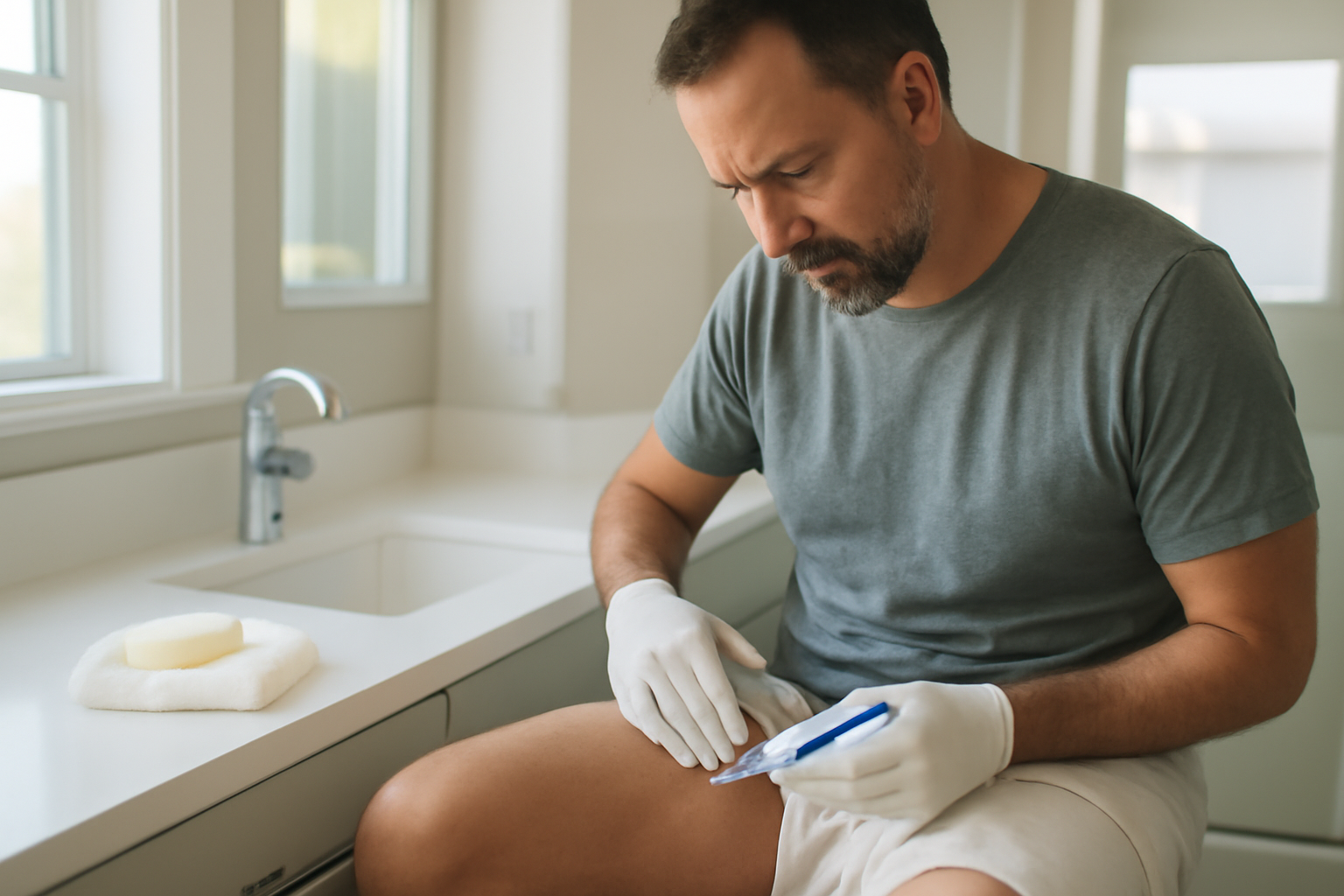
Step 1: Confirm it’s a yeast infection (not an STI or irritation) before using any cream
A man can use yeast infection cream only when symptoms fit a Candida overgrowth. Typical signs include redness, itching, burning, and sometimes a white, moist rash under the foreskin or on the glans. If there are sores, blisters, strong odor, pus-like discharge, or pain with urination, get medical advice to rule out STIs or dermatitis.
To match the most common male yeast infection pattern, look for localized itch plus redness, along with skin that looks damp or “macerated.” Candida often flares where moisture collects—under the foreskin (uncircumcised) or in skin folds.
Now check the “not yeast” clues. STIs can cause genital sores, ulcers, or discharge. Bacterial infections may bring significant swelling, warmth, or pus. Eczema or contact dermatitis can itch too, but it often follows exposure—new soap, lubricant, condoms, or laundry detergent. (If you recently changed products, that detail matters.)
Yeast infections come from Candida species, most commonly Candida albicans. When symptoms are recurrent or persistent, clinicians may confirm the organism instead of assuming it’s yeast every time. After all, guessing gets expensive—emotionally and medically.
Trap to avoid: applying antifungal cream to any genital rash with open sores or abnormal discharge. That can delay the right treatment.
Step 2: Choose the right antifungal ingredient (and avoid steroid creams)
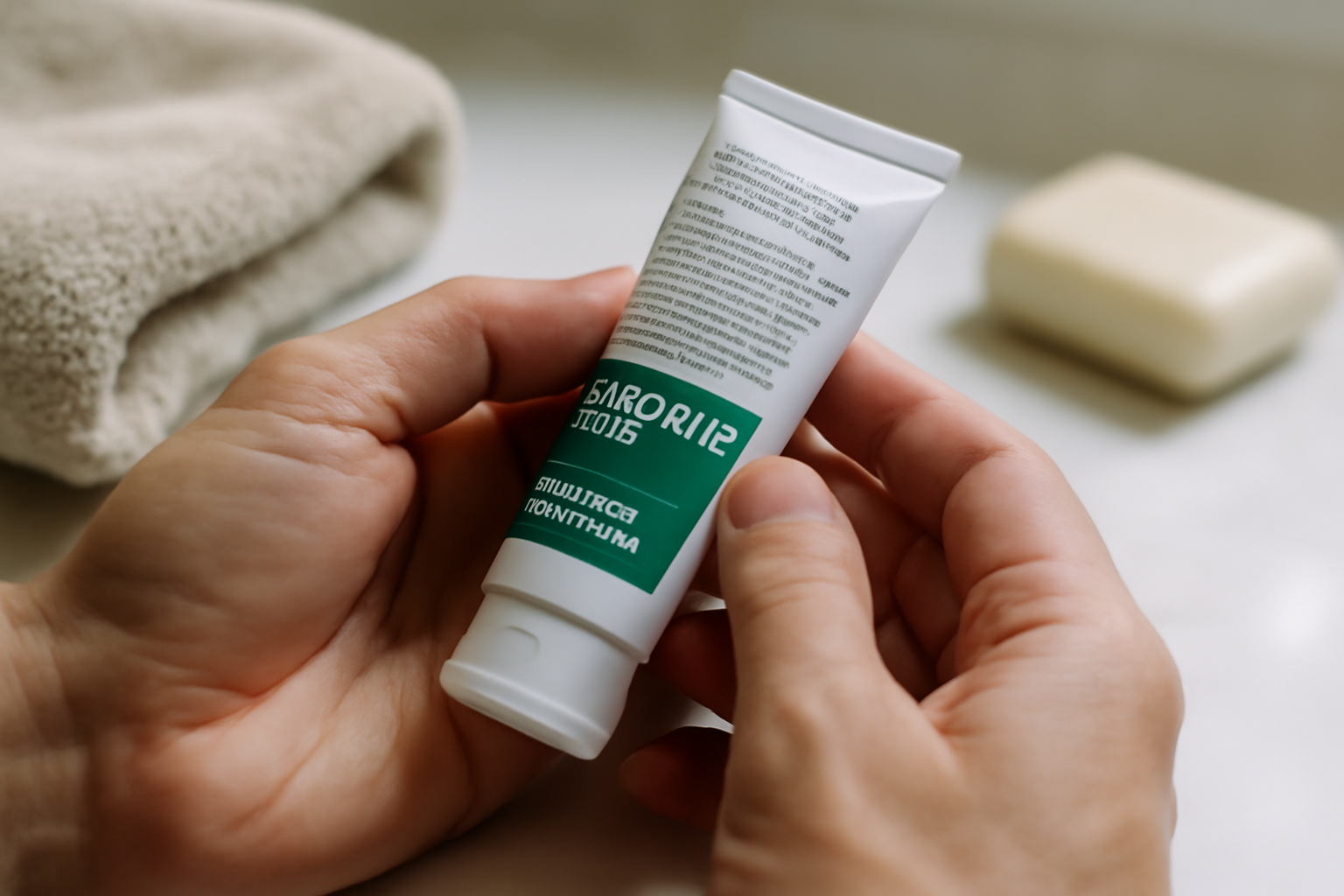
For suspected yeast, look for OTC topical antifungals such as clotrimazole or miconazole (often sold as a cream). Skip combination products that include strong corticosteroids. Steroids can calm redness while worsening a fungal infection. If symptoms are severe, recurrent, or you have diabetes or immune suppression, choose clinician guidance over trial-and-error.
When you check the active ingredients, prioritize clotrimazole or miconazole. These target fungal cell growth and are common starting points for superficial Candida-related skin issues.
Be careful with “anti-itch” or “anti-inflammatory” mixes. Some OTC products pair an antifungal with a steroid to quiet itching. With yeast, that steroid can mask symptoms and let the fungus keep going. Unless a clinician specifically recommends a combination, stick with a plain antifungal.
Risk factors can raise the odds of Candida issues and recurrence. People with diabetes tend to have higher rates of Candida-related skin problems, and immune suppression can make infections linger longer.
External reading: For STI context and what can mimic yeast, review CDC STD information and WHO sexually transmitted infections.
Step 3: Apply yeast infection cream correctly—how much, where, and for how long
Apply a thin layer to clean, dry skin covering the affected area and a small margin around it. Wash hands before and after. Use the product for the full course on the label (often about 1–2 weeks for genital-area rashes, depending on the brand). Stop and seek care if irritation worsens, swelling appears, or symptoms don’t improve within several days.
Correct application is where many “it didn’t work” stories begin. Start by washing the area gently with lukewarm water and a mild, unscented cleanser if needed. Pat dry thoroughly—moisture can keep Candida growing.
Then apply a thin layer, not a thick coating. Cover the visible rash and a small surrounding area so the antifungal reaches the edge of the flare.
Finish the full labeled duration. Typical topical antifungal courses for genital yeast rashes are often around 1–2 weeks, depending on the formulation. If you feel better after a few days, don’t treat that as “done.”
Hand hygiene reduces both irritation and reinoculation. Wash before you apply, and again after you’re done. (Yes, it’s boring—also, it works.)
Trap to avoid: stopping early because itching fades. Candida can linger under the surface and rebound.
Step 4: Reduce triggers that keep Candida growing (hygiene, moisture, friction)
Yeast thrives in warm, moist environments. To support treatment, keep the area dry, change out of sweaty underwear quickly, and choose breathable fabrics. Avoid harsh soaps, scented washes, and tight clothing that increases friction. If you’re uncircumcised, gently clean under the foreskin and dry thoroughly. These steps can improve outcomes and lower recurrence risk.
Moisture and friction are common contributors to genital fungal flare-ups. After exercise or sweating, change underwear promptly. If you can, wear breathable cotton or moisture-wicking fabrics that don’t irritate your skin.
Use gentle hygiene. Harsh soaps and scented products can worsen irritation and make it harder to tell whether you’re treating yeast or contact dermatitis. Stick to unscented, mild cleansing.
If symptoms are localized under the foreskin, gently clean the area during washing and dry thoroughly. Don’t scrub aggressively—you’re aiming for cleanliness without micro-injury.
Friction matters. Tight clothing can keep skin damp and irritated, which creates a feedback loop (more irritation → more moisture retention → more yeast-friendly conditions). It’s not just uncomfortable—it can slow healing.
Step 5: Know when to see a clinician (and what they may test for)
See a clinician if symptoms are severe, recurrent, or not improving after proper OTC treatment, or if you have diabetes or immune problems. They may examine the skin and consider tests to confirm Candida versus other causes. If STI concerns exist, they can also evaluate for infections that mimic yeast and require different treatment.
OTC antifungal cream can be reasonable when the pattern strongly suggests yeast. Still, if symptoms don’t improve after several days of correct use, reassessment is the smart move.
Clinicians often think beyond “yeast only,” especially when symptoms keep coming back. Persistent or recurrent genital symptoms usually need clinician confirmation rather than repeated self-treatment.
In unclear or recurrent cases, they may use microscopy and/or culture to confirm Candida. If STI risk exists—new partners, unprotected sex, or any sores/discharge—testing may include swabs or urine tests, depending on the situation.
External reading: The American Academy of Dermatology on Candida infections provides a clear overview of how Candida infections can look and why accurate diagnosis matters.
Trap to avoid: switching between different creams repeatedly without reassessing the cause. That can prolong symptoms and delay the right treatment.
Step 6: Treat partners and prevent reinfection—what to do during and after treatment
If your partner has symptoms of yeast (itching, redness, unusual discharge), both may need evaluation and treatment to prevent a reinfection cycle. Avoid sex or use condoms until symptoms improve, especially if either partner is symptomatic. Even when only one person treats, ongoing friction and moisture can bring symptoms back—so keep hygiene and dryness measures going after the cream course ends.
Reinfection risk rises when both partners have active symptoms. Yeast can be present without obvious symptoms, so if your symptoms return quickly after treatment, partner evaluation becomes more important.
During treatment, avoid sex or use condoms until symptoms improve. If you resume sex too early, friction and moisture can aggravate the area and make the flare return.
After you finish the cream course, keep preventive measures in place: dryness, gentle cleansing, and breathable underwear. (Think of it as maintenance, not punishment.)
Result and next steps
If your symptoms truly match Candida and you use the right antifungal correctly, you should see improvement within a few days and steady progress over about 1–2 weeks. If nothing changes—or if things worsen—don’t keep guessing.
Your next steps: reassess the diagnosis, check the ingredient list (clotrimazole or miconazole), confirm you’re applying to clean, dry skin for the full labeled course, and consider clinician evaluation if symptoms persist, recur, or include STI-type red flags.
Helpful reference: NHS guidance on yeast infection covers general treatment principles and when to seek medical help.
FAQ
Can a man use a yeast infection cream on his penis safely?
Yes, sometimes. Use an OTC antifungal like clotrimazole or miconazole only when symptoms fit Candida (itching/redness/moist rash) and there are no red flags such as sores, blisters, strong odor, pus-like discharge, or significant pain. If symptoms are severe, recurrent, or not improving after proper use, see a clinician.
How can I tell if my symptoms are yeast or an STI?
Yeast often causes itching, redness, and sometimes a moist rash in areas that stay damp, while STIs more often involve sores/ulcers, blisters, significant discharge, or burning with urination. Because overlap happens, STI testing is the safest choice when risk exists or red flags appear.
Why does antifungal cream sometimes make genital irritation worse?
Irritation can worsen if the cause isn’t actually yeast (for example, contact dermatitis or an STI), if the product includes a steroid that masks symptoms, or if application is too thick or on wet skin. Stop and get medical advice if swelling, worsening burning, or significant new irritation occurs.
When should I stop using OTC yeast cream and see a doctor?
Stop and seek care if symptoms are severe, you develop swelling, you see sores or discharge, you suspect an STI, you have diabetes or immune suppression, or you don’t notice improvement after several days of correct OTC treatment. Recurrent symptoms also warrant clinician confirmation.
How long does it take for male yeast infection symptoms to improve with cream?
Many people notice some improvement within a few days, but complete resolution typically takes about 1–2 weeks depending on the product and severity. If there’s no noticeable improvement after several days, reassessment is recommended.
Is it okay to have sex while using yeast infection cream?
It’s usually best to avoid sex or use condoms until symptoms improve, especially if either partner is symptomatic. Friction and moisture can worsen irritation and increase the chance of reinfection when both partners have active symptoms.
Key takeaways
- You can use yeast infection cream only when symptoms truly fit Candida (itching/redness/moist rash) and not STI or dermatitis red flags.
- Choose an antifungal ingredient like clotrimazole or miconazole, and avoid steroid-containing “anti-itch” mixes unless a clinician says otherwise.
- Apply a thin layer to clean, dry skin and finish the full labeled course; don’t stop early when symptoms fade.
- Keep the area dry, avoid scented products, and reduce friction with breathable, less-tight underwear.
- Seek medical care if symptoms are severe, recurrent, or not improving after several days of correct OTC use.
- If your partner has symptoms, both may need evaluation to prevent reinfection during and after treatment.
- If you’re unsure of the cause, diagnosis first beats repeated self-treatment.
Bottom line: If the question is can a man use a yeast infection cream, the safe answer is “yes, when it’s really yeast,” with the right ingredient, correct application, and a low threshold to get medical help if anything doesn’t fit.