
Quick Take: Can a woman become pregnant after menopause?
After menopause is confirmed, natural pregnancy is extremely unlikely—ovulation usually stops.
Pregnancy can still happen during perimenopause, or later with assisted reproduction (especially IVF using donor eggs).
Any postmenopausal bleeding—or a real pregnancy concern—should be checked quickly by a clinician.
| Clinical definition of menopause | 12 consecutive months without a period |
|---|---|
| Natural pregnancy after true menopause | Very unlikely |
| Main reason fertility drops | Ovulation typically stops; eggs are no longer released |
| Common assisted option | IVF with donor eggs (when appropriate) |
| Must-not-ignore symptom | Postmenopausal bleeding |
| When to act | Test promptly and contact a clinician |
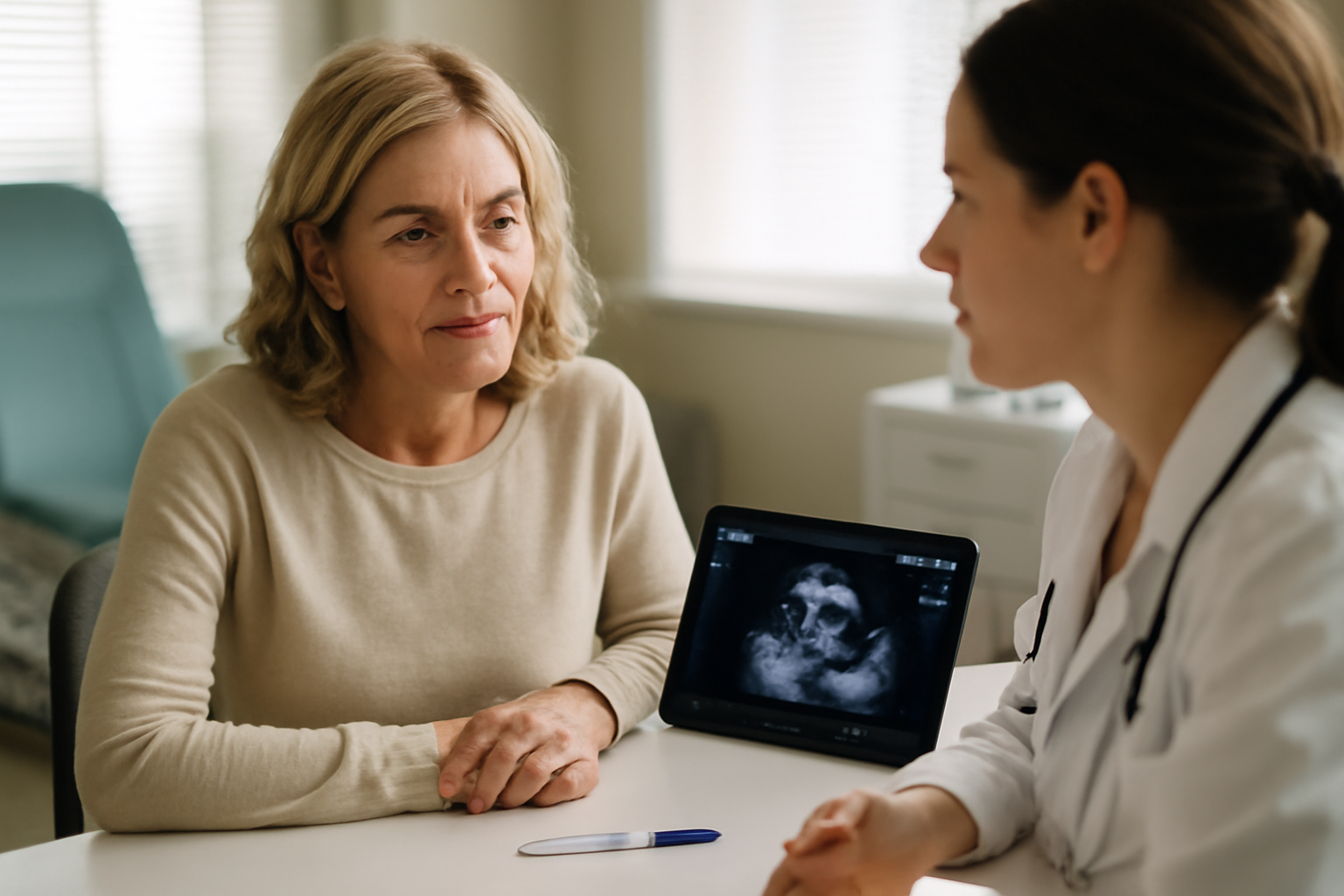
What “after menopause” really means for fertility (12-month rule and ovulation)
After menopause, fertility is extremely low because ovulation typically stops. Clinically, menopause means 12 consecutive months without a menstrual period—and no other medical reason explains the absence of bleeding. If you’re still in perimenopause, ovulation can be irregular, and pregnancy is possible. Once menopause is truly reached, natural conception becomes rare.
That 12-month no-period rule is the key. It’s not just about age or how you feel. Fertility depends on whether your ovaries are still releasing eggs.
Ovulation is the starting point for natural pregnancy. When an egg is released, sperm can fertilize it, and the hormone pattern supports implantation. After true menopause, ovarian activity usually winds down, so eggs aren’t released in a predictable way. That’s why “after menopause” often gets used as shorthand for “after ovulation has essentially stopped.”
Perimenopause is the transition phase leading up to menopause. It can last years, and cycles may be messy—long gaps, unexpected spotting, or bleeding that doesn’t follow a classic monthly pattern. If bleeding shows up after you thought you’d hit menopause, it may not be a true period. (And if you’re unsure what you’re seeing, getting checked is the safest move.)
Can a woman get pregnant naturally after menopause? (realistic chances and why they’re low)
Natural pregnancy after menopause is uncommon because the ovaries generally stop releasing eggs. Still, “postmenopause” can be misidentified if someone is actually in perimenopause or has intermittent ovarian activity. If you truly had 12 months without bleeding, the chance of natural pregnancy is very low, and any pregnancy concern should be evaluated promptly.
Medical guidance is clear: natural conception after confirmed menopause is considered very unlikely. Without regular ovulation, there’s no egg to fertilize. Hormonal shifts during the late transition also make cycles unpredictable, so fertility often drops well before the final 12-month diagnosis.
Sometimes the timeline is off. A few people have intermittent bleeding or ovarian activity that doesn’t match the “textbook” pattern. If you had spotting, hormone-related withdrawal bleeding, medication effects, or bleeding that wasn’t truly menstrual, you may not have met the clinical definition of menopause yet.
So what should you do with that information? Postmenopausal bleeding should be taken seriously, even if pregnancy seems unlikely. Bleeding can come from uterine or cervical conditions, and clinicians treat it as a reason to evaluate—not a reason to wait. If pregnancy is possible in your situation, testing is usually the first practical step rather than assuming infertility.
IVF and donor eggs after menopause: when pregnancy is medically possible
Pregnancy after menopause can be possible with assisted reproductive technology, especially IVF using donor eggs. Donor eggs avoid the need for your ovaries to produce viable eggs. Fertilization happens in the lab, and embryos can be transferred to the uterus. Success depends on uterine health and overall medical risk—not only egg quality.
When ovarian function has ended, donor-egg IVF is a common pathway. The basic flow is straightforward: eggs come from a donor, embryos are created in the lab, and one (or more) embryo(s) are transferred to your uterus. Your role shifts toward providing a receptive uterine environment and supporting pregnancy safely.
“Possible” doesn’t mean “simple” or “risk-free.” Before transfer, uterine evaluation is often required. Clinicians may use imaging and an assessment of the endometrium (the uterine lining) to look for fibroids, polyps, scarring, or lining patterns that could affect implantation. Outcomes vary across people and clinics, and protocols can differ based on medical history and available resources.
Pre-transfer steps often include a review of medical conditions, infection screening when appropriate, and a plan for hormone support or cycle preparation. If you’re considering this route, ask about their criteria for uterine assessment and what they consider good candidates for your age range. That conversation usually clarifies both expectations and safety.
- Donor eggs bypass egg production from your ovaries.
- Embryo transfer depends on uterine lining and overall health.
- Medical screening helps reduce avoidable pregnancy complications.
For broader background on menopause and reproductive aging, see WHO’s menopause overview and NHS guidance on menopause.
Medical risks of pregnancy after menopause (for the pregnant person and baby)
Pregnancy after menopause—especially at older ages—can come with higher risks. Common concerns include gestational diabetes, high blood pressure/preeclampsia, placenta-related complications, miscarriage, and preterm birth. Underlying conditions that become more common later in life can also raise risk. Care is typically more intensive: early monitoring, frequent prenatal visits, and input from specialists.
Advanced age is linked with higher rates of gestational diabetes and hypertensive disorders, including preeclampsia. These issues can affect both maternal wellbeing and fetal growth, which is why clinicians emphasize preconception counseling and close prenatal monitoring.
Miscarriage risk increases with age, so counseling often includes a clear discussion of warning signs and how early pregnancy will be monitored. Preterm birth rates can also rise when maternal health is affected or when complications develop. For the baby, prematurity can increase the need for neonatal care, and placental problems can influence oxygen and nutrient delivery.
If you’re pursuing assisted reproduction, your risk profile may depend on more than age. Prior uterine surgery, chronic conditions (like diabetes or hypertension), and overall cardiovascular health all matter. The best plan is personalized—your clinician can help you weigh potential benefits against the medical realities of pregnancy later in life.
You can also review pregnancy risk framing for older parents from ACOG’s FAQ on pregnancy after age 35.
If you suspect pregnancy after menopause: what to do next (testing and safety steps)
If you had 12 months without a period and then suspect pregnancy, start with a home pregnancy test and contact a clinician right away. A positive result should be confirmed with blood tests (hCG) and ultrasound. Also take any postmenopausal bleeding seriously, since it can have non-pregnancy causes that still require medical assessment.
Start with action, not assumptions. If you’re having symptoms that could fit pregnancy—or you had bleeding you didn’t expect—a home urine test is a quick first screen. These tests detect hCG, but clinical confirmation is standard when results affect safety and next steps.
Clinicians usually confirm with blood hCG and an ultrasound to locate the pregnancy and assess viability. This matters even more if bleeding occurred, because bleeding after menopause can come from several causes. (Sometimes the “pregnancy story” is actually a uterine or cervical issue that needs prompt attention.)
If you test positive, ask for a plan that includes when to repeat labs, how ultrasound will be scheduled, and a review of your health conditions. If you test negative but bleeding continues, don’t ignore it—persistent or recurrent postmenopausal bleeding deserves evaluation.
- Take a home pregnancy test when symptoms or unexpected bleeding appear.
- Contact a clinician promptly for confirmation and evaluation.
- Treat postmenopausal bleeding as a medical trigger, not a “wait and see.”
Fertility options and alternatives after menopause (adoption, surrogacy, and family planning)
If pregnancy isn’t feasible or the risks are too high, there are other ways to build a family. Options can include donor-egg IVF with embryo transfer (when medically appropriate), surrogacy in some jurisdictions, or non-pregnancy paths like adoption. For many people, the most useful first step is a tailored consultation focused on health, legal feasibility, and personal priorities.
After menopause, the “best” path depends on your goals and what you’re medically eligible for. Some people pursue assisted reproduction despite low natural fertility. Others decide the risk profile doesn’t match their priorities. A structured consultation helps turn options into realistic next steps.
Surrogacy rules and adoption processes vary by country and sometimes by state or region in the US. Clinics and legal professionals can explain requirements, timelines, and documentation. If you’re considering embryo transfer, most fertility clinics require comprehensive preconception screening before proceeding, including uterine assessment and a review of health risks.
If you want a non-pregnancy route, adoption and other family-building options can still meet emotional and practical needs. You don’t need a single “right” answer—only a plan that fits your health, your values, and your circumstances. If you want a grounding definition of menopause itself, this menopause overview can help with terminology, but your clinician is the final authority for your personal situation.
FAQ
Comment savoir si je suis encore en périménopause ou déjà ménopausée ?
Menopause is confirmed when you’ve had 12 consecutive months without a period (and no other cause explains the lack of bleeding). Perimenopause can include irregular cycles and intermittent bleeding before the 12-month mark. If you’re unsure—especially with any bleeding after you thought menopause began—ask a clinician to review your timing, medications, and symptoms.
Quel est le risque de grossesse après 12 mois sans règles ?
After true menopause (12 months without a period), natural pregnancy is extremely unlikely because ovulation typically stops. If pregnancy is suspected anyway, testing and medical evaluation are recommended, since bleeding after menopause can be misinterpreted or caused by conditions that still need assessment.
Pourquoi une grossesse peut-elle sembler possible après la ménopause ?
It can look possible when menopausal status is mistaken (for example, you may still be in perimenopause or have intermittent ovarian activity). Symptoms like fatigue or breast tenderness can also overlap with hormonal changes, medication effects, or other medical conditions—so confirmation with testing matters.
Quand faut-il faire un test de grossesse si on a eu une ménopause confirmée ?
If you’ve had confirmed menopause and then have symptoms that could indicate pregnancy or you experience unexpected bleeding, take a home pregnancy test promptly. If it’s positive, confirm with a clinician using blood hCG and ultrasound. If it’s negative but bleeding continues, you still need medical evaluation.
Combien de temps après un saignement post-ménopausique faut-il consulter ?
Arrange a medical evaluation promptly after any postmenopausal bleeding. Don’t wait for it to “go away,” especially if bleeding is recurrent, heavy, or accompanied by pain or other concerning symptoms. Postmenopausal bleeding is a key reason to rule out serious causes.
Est-ce qu’une femme peut tomber enceinte après la ménopause avec IVF ou des ovules de donneuse ?
Yes—pregnancy can be possible after menopause with assisted reproduction, particularly IVF using donor eggs and embryo transfer to the uterus. Eligibility depends on uterine health and overall medical risk, so a clinician must evaluate suitability before proceeding.
Key takeaways
- Menopause is clinically defined as 12 months without a period. Before that, pregnancy can still happen during perimenopause.
- Natural pregnancy after confirmed menopause is extremely unlikely, so don’t assume infertility if symptoms or bleeding appear—test and get evaluated.
- Assisted reproduction (especially IVF with donor eggs) can make pregnancy possible after menopause, but uterine and overall health still matter.
- Pregnancy at older ages carries higher maternal and fetal risks, so preconception counseling and close monitoring are essential.
- A positive test should be confirmed with blood hCG and ultrasound, and any postmenopausal bleeding should be medically assessed.
- If pregnancy isn’t medically suitable, consider alternatives like surrogacy (where legal) or adoption with goal-based counseling.
If you’re asking can a woman become pregnant after menopause, here’s the honest answer: naturally, it’s usually not—confirmed menopause means ovulation has largely stopped. With the right medical pathway, though, pregnancy can still be possible, and your next best step is a prompt, personalized evaluation.
1 commentaire sur « Can a Woman Become Pregnant After Menopause? Facts »