
Quick Take: Most women do best with 7–9 hours of sleep per night, but the “right” amount depends on how you function during the day.
Female life stages (menstruation, pregnancy, postpartum, menopause) often change sleep quality, not just total hours.
Do a few self-checks (alertness, unintentional dozing, how rested you feel) before assuming you need more sleep time.
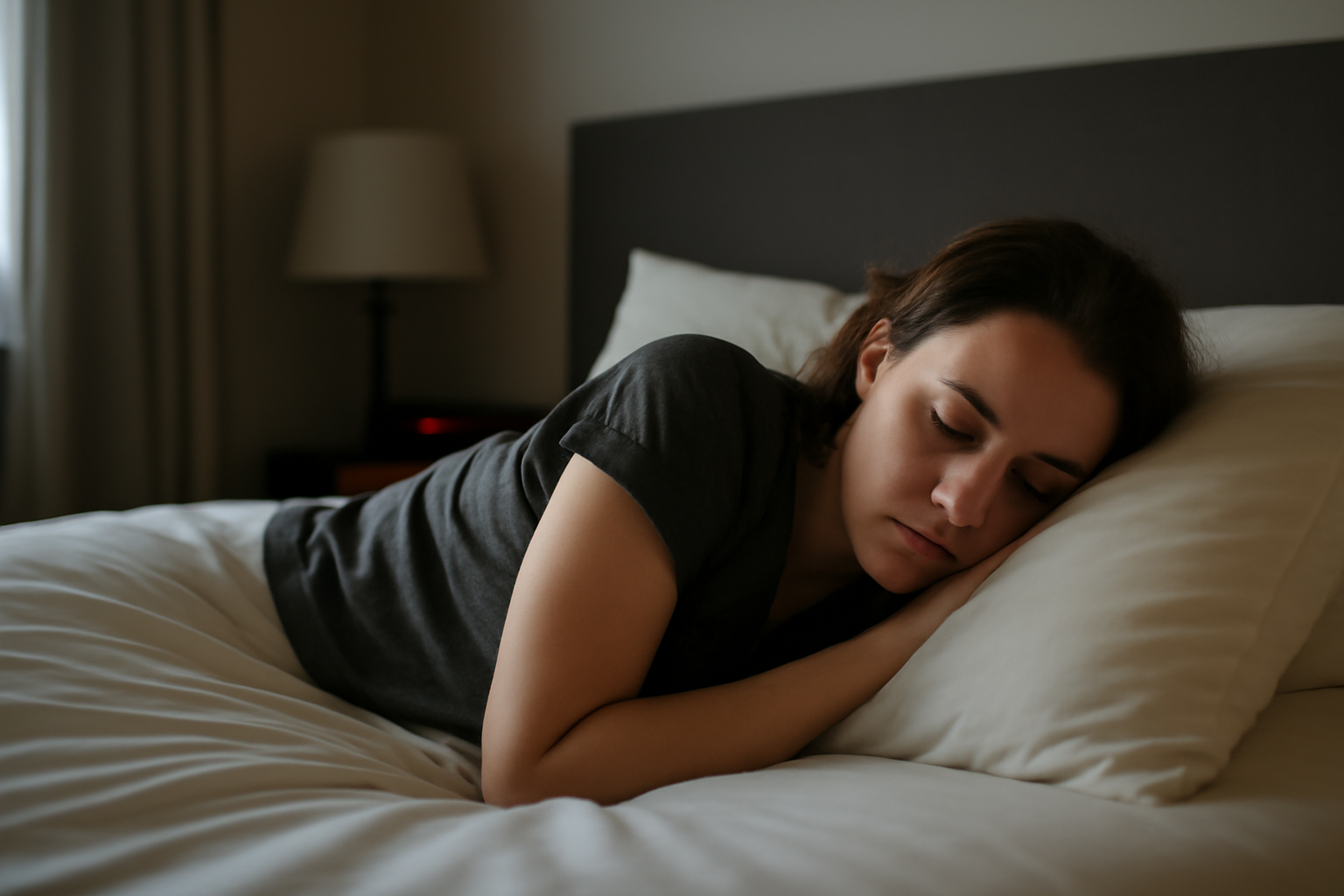
If you’re searching how many hours of sleep should a woman get, start with age-based targets, then fine-tune based on how you feel and function in the daytime. Most healthy adults need about 7–9 hours nightly. The “right” amount is the one that keeps you alert, steadies your mood, and doesn’t leave you chasing naps or extra caffeine just to feel normal.
| Typical adult target | About 7–9 hours per night |
|---|---|
| Best “enough” test | Daytime alertness and functioning (not just bedtime clock) |
| Common life-stage shift | Quality changes: fragmentation around menstruation, pregnancy, postpartum, menopause |
| When to get checked | Persistent insomnia, loud snoring/gasping, or severe hormone-related sleep disruption |
| Quality boosters | Consistent schedule, light/noise/temperature optimization, earlier caffeine cutoff |
Recommended sleep hours for women by age (and what “enough” really means)
Most women should start with the same core sleep ranges as other adults: roughly 7–9 hours per night for adults, with needs that shift by age. “Enough” means you’re alert during the day, your mood and focus hold steady, and you’re not relying on naps to get through the afternoon.
Use age as a starting point, not a strict rule. Adult sleep health guidance centers on 7–9 hours nightly. Children and teens usually need more, and their needs tend to decrease as they get older. In your 20s or 30s, you might feel fine on the lower end—until stress, schedule changes, or hormonal shifts push you into sleep debt.
Real life matters here: many adults don’t get enough sleep. CDC sleep health messaging often cites that fewer than two-thirds of adults meet recommended sleep duration. That’s one reason “tired all the time” can feel normal—until it starts affecting safety, health, and relationships.
Age-based starting points (practical)
- Teens: often need more than adults; aim higher and keep a consistent schedule.
- Adults (including women): typically 7–9 hours per night.
- Older adults: may still benefit from 7+ hours, but sleep can become more fragmented—quality checks matter more than the total number.
For baseline recommendations, see CDC sleep duration guidance and NHLBI (NIH) sleep recommendations.
Life-stage adjustments: menstruation, pregnancy, postpartum, and menopause
Sleep needs can stay similar, but sleep quality often changes across female-specific life stages. Menstrual-cycle shifts, pregnancy discomfort, postpartum demands, and menopause-related hot flashes can fragment sleep. The goal is to protect total time when possible and improve continuity with targeted strategies (timing, environment, and symptom management).
Menstruation can affect sleep onset and comfort. Some women feel more restless around certain cycle phases, while others notice temperature changes, cramps, or mood shifts that make it harder to stay asleep. You may still reach your usual 7–9 hours, but the sleep can feel lighter—so you wake up less refreshed.
Pregnancy and postpartum commonly bring more awakenings and less uninterrupted sleep. Discomfort, reflux, and frequent bathroom trips can break the night into shorter segments. After birth, infant care and nighttime awakenings are often unavoidable. So the strategy becomes “maximize the windows you can control” (nap timing, bedtime routine, and support for recovery).
Menopause can also reduce sleep continuity due to vasomotor symptoms. Hot flashes and night sweats are a common disruptor mentioned in major health resources like the NHS insomnia guidance and related NHS condition pages. If you wake drenched or suddenly overheated, the fix usually isn’t “more hours.” It’s symptom-targeted treatment plus sleep-friendly cooling.
Quick strategy map by life stage
- Menstrual changes: plan an earlier wind-down, manage pain triggers, and adjust caffeine timing.
- Pregnancy: optimize bedtime positioning, reduce late fluids if appropriate, and protect the first sleep block.
- Postpartum: align naps with your baby’s rhythm and build a protected “recovery block” when support is available.
- Menopause: cool bedroom setup, discuss hot flash options with a clinician, and reduce evening alcohol if it worsens symptoms.
Why the number varies: hormones, stress, circadian rhythm, and sleep debt
Two women can both “sleep 7 hours” and still feel different. Sleep debt, circadian timing, stress hormones, and hormonal signals all change how restorative sleep feels. Poor sleep quality can also reduce the benefit of each hour. If you regularly need extra time to feel normal, you may be accumulating sleep debt rather than simply “needing less.”
Sleep debt is the gap between what you get and what your body needs. When you consistently fall short, your brain can start asking for more recovery time. That can look like “I just need more hours.” In practice, you may need a reset: better timing, fewer awakenings, and a short period of catch-up sleep while you address the cause of fragmentation. (Yes, it’s frustrating—especially when you’re already trying.)
Hormones and stress can shift sleep continuity, too. Higher stress can increase arousal at night, making it harder to fall asleep and stay asleep. Circadian rhythm matters as well: late schedules, shift work, and inconsistent wake times can shrink the effective sleep window even if the clock says you slept “long enough.” If your wake time is chaotic, your body’s timing cues struggle.
Harvard Health and sleep medicine guidance often point out that some people need less than 7 hours while others need more. Recommendations aren’t strict rules. CDC sleep health messaging also links insufficient sleep with health and safety risks, which is why “I’ll just sleep in on weekends” usually doesn’t fix the underlying pattern.
If you want a deeper look at how debt builds up, this overview from Sleep Foundation on sleep debt can help you turn “tired” into a concrete recovery plan.
How to tell if you’re getting enough sleep (self-checks that work)
You can’t measure “sleep sufficiency” with a single number. Use practical self-checks: do you fall asleep easily, stay asleep, and wake without repeated alarms? During the day, are you alert without relying on caffeine, naps, or dozing off unintentionally? If not, adjust timing and sleep quality before assuming you need dramatically more hours.
Daytime alertness is one of the most reliable indicators. If you’re consistently fighting your eyelids, falling asleep unintentionally (during meetings, while reading, or on the drive home), or needing caffeine just to start your day, your current sleep pattern isn’t delivering enough restoration.
Sleep consistency can matter as much as total hours. If you sleep 8 hours on weekdays but 10–12 on weekends, you might be compensating for a rhythm problem rather than proving you “need” more. Sleep medicine clinicians often recommend looking at patterns over 1–2 weeks—especially when work schedules, caregiving, or cycle-related symptoms change your nights.
Self-checks you can do today
- Morning reset: do you wake without a fog that lasts 60+ minutes?
- Unintentional sleepiness: any dozing during quiet moments?
- Caffeine dependence: do you need caffeine to feel “normal”?
- Sleep fragmentation: frequent awakenings, bathroom trips, or restlessness?
Harvard Health and sleep medicine resources commonly highlight that functioning is the practical yardstick. CDC resources also frame sleepiness and impaired functioning as signs you may not be getting enough sleep.
Sleep quality upgrades: routines and environment changes that increase restorative sleep
If you want more restorative sleep without simply adding hours, focus on continuity and circadian cues. Keep a consistent sleep schedule, reduce light exposure before bed, and optimize temperature and noise. If symptoms (pain, reflux, hot flashes) fragment sleep, address them directly. Small changes—like an earlier caffeine cutoff—often improve sleep onset and reduce awakenings.
Start with the basics, because “sleep hygiene” works best when it’s realistic. Choose a consistent bedtime and wake time, even on weekends if possible. Manage evening light: dim screens, avoid bright overhead lighting, and give your brain a clear signal that night is coming. Then set the environment: cooler temperatures, comfortable bedding, and reduced noise (earplugs or a fan can help).
Next, target common disruptors. Caffeine timing is a big one. If you drink coffee late in the afternoon, even “8 hours in bed” can lead to restless sleep. Late screens can push your circadian rhythm later, and temperature swings can amplify awakenings—especially around menopause-related hot flashes.
One more nuance: extending time in bed isn’t always the answer. If you’re waking repeatedly due to reflux, pain, or breathing issues, you may just be adding more broken sleep. Sleep medicine often uses behavioral strategies—such as CBT-I principles—for chronic insomnia before medications, because they address the learned patterns that keep you awake. (It’s not just willpower.)
What to adjust first (a short checklist)
- Earlier caffeine cutoff: aim for no caffeine after late afternoon.
- Light management: reduce bright light 1–2 hours before bed.
- Noise/temperature: cool, quiet, and comfortable.
- Symptom targeting: treat reflux, pain, or hot flashes with appropriate care.
For insomnia-focused guidance, the NHS insomnia overview offers clear, evidence-aligned steps you can adapt to your routine.
When to seek medical help: insomnia, sleep apnea, and hormone-related sleep problems
Consider professional evaluation if you regularly can’t fall asleep or stay asleep despite good routines, or if you have loud snoring, choking/gasping, or persistent daytime sleepiness—possible sleep apnea. Hormone-related symptoms (severe hot flashes, mood changes) can also warrant care. Early assessment helps prevent chronic sleep debt and related health risks.
Some sleep problems improve with behavior changes; others need targeted treatment. If insomnia lasts for weeks and affects your daily life, ask a clinician about next steps. If you snore loudly or wake up gasping, don’t treat it as “just stress.” Sleep apnea is common and often underdiagnosed, and it can’t be fixed by “more hours.”
Hormone-related sleep disruption deserves attention, too. Severe night sweats, intense hot flashes, or mood changes around menopause can fragment sleep and increase fatigue. During pregnancy and postpartum, persistent insomnia can also point to issues that deserve care—whether that’s pain control, reflux management, or mental health support.
Red flags to take seriously
- Persistent insomnia: trouble falling asleep or staying asleep most nights.
- Excessive daytime sleepiness: nodding off unintentionally or impaired driving risk.
- Breathing-related symptoms: loud snoring, choking, gasping, or witnessed pauses.
- Severe hormone symptoms: frequent hot flashes/night sweats that disrupt sleep continuity.
CDC and NHS resources both encourage getting help when sleep problems affect daily function. CBT-I is widely recommended as a first-line approach for chronic insomnia in many clinical guidelines, and it can be a strong option before medication.
FAQ
How many hours of sleep should a woman get at 20, 30, and 40 years old?
Most women in their 20s, 30s, and 40s typically do best with about 7–9 hours of sleep per night. The exact target can shift based on sleep quality, stress, and schedule—so use daytime alertness and unintentional sleepiness as your practical check.
Why do women need more sleep during pregnancy or postpartum even if the hours stay the same?
Pregnancy and postpartum often reduce sleep continuity through discomfort, reflux, frequent urination, and nighttime caregiving. Even if the total hours look similar, the sleep can be more fragmented, so the same clock time delivers less restoration.
How can I tell if I’m getting enough sleep without using a sleep tracker?
Track your outcomes: can you fall asleep and stay asleep, do you wake without a long fog, and are you alert during the day without relying on naps or caffeine? If you’re consistently sleepy or dozing unintentionally, your current sleep amount or quality isn’t enough.
What is the recommended sleep duration for women going through menopause?
A common recommendation is still about 7–9 hours for adults, but menopause often affects continuity through hot flashes and night sweats. Focus on protecting total time and improving continuity with cooling, symptom management, and consistent sleep timing.
How many hours of sleep should a woman get if she has insomnia or wakes up often?
Aim for the same adult target (often 7–9 hours), but prioritize continuity. If you’re waking frequently, you may need behavioral strategies and symptom treatment rather than simply adding more time in bed.
Is it normal to sleep more on your period, and does it mean you need extra hours?
Many people notice increased fatigue around their period, and it can be normal. It doesn’t always mean you need a permanently higher number of hours—sometimes it’s a quality and comfort issue. Use daytime functioning as your guide and adjust sleep timing and symptom management.
Key takeaways
- Start with age-based targets (often 7–9 hours for adults), then adjust based on daytime functioning.
- Female life stages can reduce sleep quality—aim to protect total time and improve continuity.
- If you feel worse despite “enough hours,” you may be dealing with sleep debt, circadian misalignment, or an underlying condition.
- Use self-checks: alertness, unintentional dozing, and how rested you feel on waking—not just the bedtime clock.
- Improve sleep quality with consistent schedules, light/noise/temperature optimization, and earlier caffeine cutoff.
- Seek medical help for persistent insomnia, loud snoring/gasping, or severe hormone-related sleep disruption.
When you’re trying to answer how many hours of sleep should a woman get, remember the real goal is restorative sleep that supports your daytime life. If your nights aren’t delivering that restoration, quality and timing changes often matter as much as the total number of hours.
1 commentaire sur « How Many Hours of Sleep Should a Woman Get for Health »