
Quick Take
- You can often detect hCG after implantation bleeding, but the exact timing depends on when implantation really happened and how quickly hCG rises.
- Blood tests usually turn positive earlier than urine tests, especially in the first few days after implantation.
- If you test negative, retest in about 48 hours to see whether hCG is increasing.
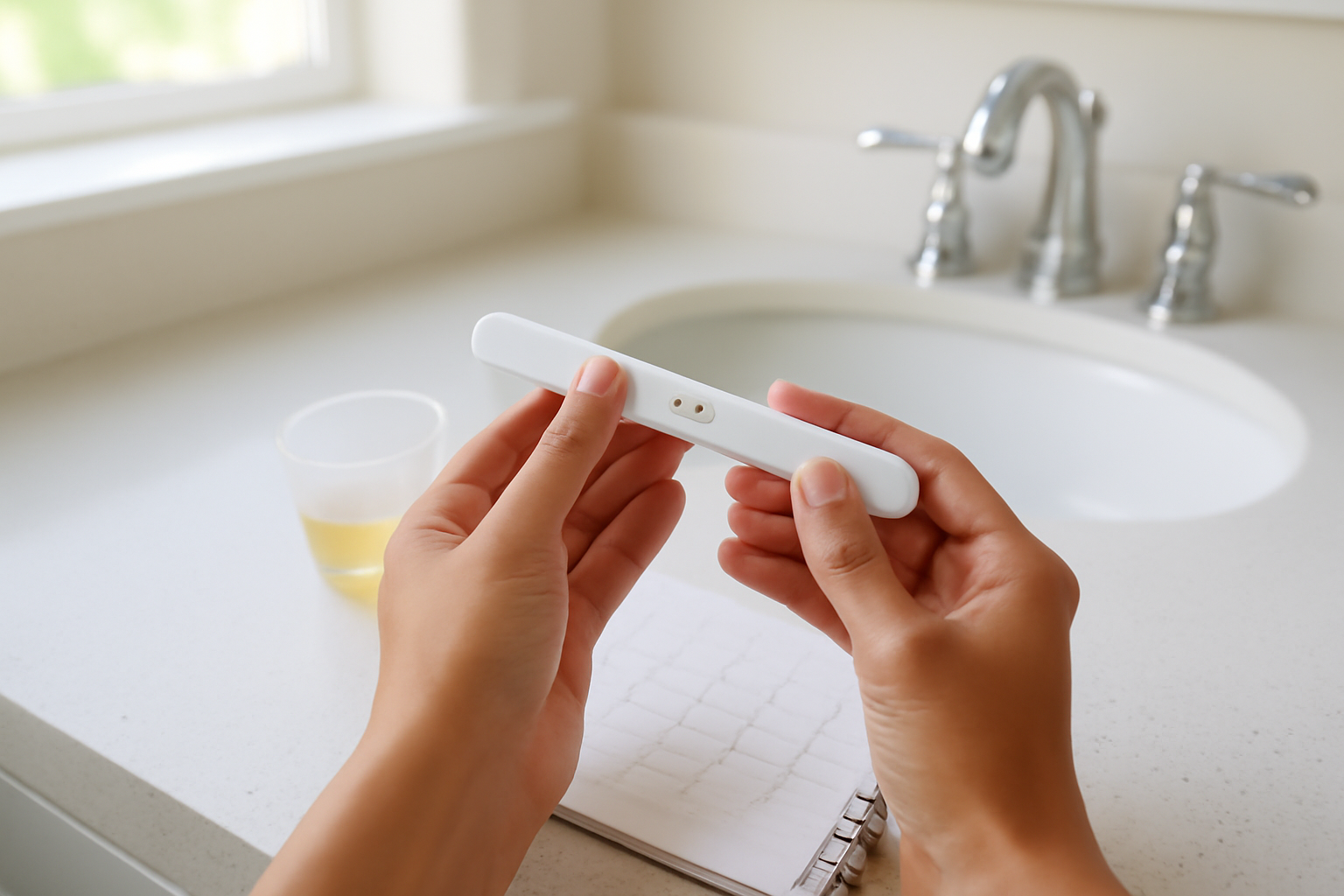
Many people ask how long after implantation bleeding can hCG be detected because the bleeding feels like a clear “start.” The catch is that implantation bleeding is a timing clue—not the moment hCG instantly shows up on a test. Your results depend on when implantation actually occurred and how quickly hCG levels climbed.
Two people can have the same kind of spotting and still get different results (or even the same result, just on different days). That’s mostly about timing and how fast the hormone rises in each body.
Implantation bleeding vs. implantation timing: when hCG actually starts rising
Implantation bleeding happens around the time an embryo attaches to the uterine lining. But hCG rise starts as implantation occurs. For many people, hCG becomes detectable only after enough hormone builds up to reach a test’s detection threshold—first in blood, then in urine.
Implantation commonly occurs about 6–12 days after ovulation (DPO), which shifts the whole hCG timeline. If your bleeding happened earlier or later than the typical window, the hormone curve can move with it. That’s why your last ovulation date (or cycle prediction) matters when you’re trying to estimate timing.
After implantation begins, hCG production ramps up gradually. A test doesn’t turn positive the instant implantation starts—it turns positive when hCG reaches a level high enough for that specific test to register. Home urine tests usually need hCG to hit their threshold first (and thresholds vary by brand), while blood (serum) tests are often more sensitive.
Even within the same pregnancy, the rate of rise can vary. Some people see early, faint positives; others need a few extra days. (And if you tested while stressed or distracted, you might have tested sooner than you meant to—timing is the most common reason for confusion.)
How many days after implantation bleeding hCG can be detected (blood vs urine)
In many cases, hCG is detectable in a blood test sooner than in urine. If implantation bleeding was recent, a blood test may turn positive roughly several days after implantation. Urine tests often take a bit longer to reach detectable levels. Test too early and you can get a false negative even if the pregnancy is progressing.
Here’s a practical way to think about it: implantation bleeding is usually reported around the 6–12 DPO range, but bleeding isn’t the same thing as “implantation day.” If you know your ovulation date, you can estimate when implantation likely happened. If you don’t, the bleeding date can still be a rough anchor—then you adjust based on what the tests show.
Blood (serum) tests are generally more sensitive and can detect pregnancy earlier than home urine tests. In clinical practice, a blood test may become positive days before urine would (especially when the urine test isn’t marketed as “early detection”).
Urine tests often need extra time after a blood-positive result. That delay happens because urine hCG reflects what’s in the bloodstream and then gets concentrated in the bladder—so it may take longer to reach the urine test’s threshold. Hydration can also dilute urine and push a positive later.
If you’re trying to reduce false negatives, aim for testing when hCG has had enough time to rise. Many people find urine tests are more reliable closer to when their period is due, but the “best day” depends on your cycle length and ovulation timing.
Why your test may be negative: common causes (timing, dilution, and test sensitivity)
A negative result after implantation bleeding is usually about timing and test sensitivity. If hCG is still below the test’s detection threshold, the test stays negative. Urine dilution (drinking lots of fluids), testing at the wrong time of day, and using a less sensitive kit can all delay a visible positive.
Timing mismatch is the big one. Implantation bleeding can show up before hCG is high enough to detect, and implantation itself may have happened a day or two earlier or later than you assumed. If you test the day after spotting, you may be testing before hCG has accumulated enough to show up.
Urine concentration matters. If you drink a lot of water, your urine can become less concentrated and the test may not pick up low hCG. For home testing, many clinicians recommend first-morning urine when possible, since it’s typically more concentrated.
Test sensitivity varies across brands and “early detection” claims. Two kits can have different thresholds for a positive line. One might show a faint result while another stays negative. Repeating with the same brand (or checking the labeled sensitivity) can make the results easier to interpret.
Also pay attention to how you time the reading. If you check the test outside the recommended window, lines can be missed or misread. (Yes, that happens more often than people expect.) If you’re unsure, repeat with a new test and follow the instructions closely.
What a positive or faint line means: interpreting results safely
A positive pregnancy test means hCG is present at detectable levels, even if the line is faint. Still, faint lines depend on timing and how quickly hCG is rising. If you used a urine test, confirm with repeat testing or a blood test—especially if you have ongoing bleeding or you’re not sure how long it’s been since implantation.
On most home urine tests, a positive result is typically defined as any visible line in the correct area within the time window—even if it’s faint. A faint line often means hCG is present but still relatively low, which is common early on as levels rise.
For safe interpretation, focus on the trend. Many people repeat testing after about 48 hours because hCG often increases over that time in early pregnancy. If the line gets darker, it supports a rising hCG pattern. If it stays faint or disappears, it may suggest a problem with progression—then contacting a clinician is the right next step.
Know the difference between a faint positive, a negative, and an invalid result. An invalid test usually lacks a control line or shows defects according to the package instructions. If the test is invalid, don’t guess—repeat with a new kit.
If you have bleeding along with a positive test, it doesn’t automatically mean something is wrong, but it does mean you should get medical guidance. If bleeding is heavy, painful, or paired with dizziness, seek urgent evaluation instead of waiting for the next test.
When to test again after implantation bleeding (and when to contact a clinician)
If your first test is negative but implantation bleeding felt convincing, retest after a short interval—often about 48 hours. hCG typically increases as pregnancy progresses. If you’re still getting negatives several days later, or if you have concerning symptoms (heavy bleeding, severe cramps, shoulder pain), contact a clinician rather than waiting.
Your retesting plan depends on how early you tested. If you tested right after bleeding and got a negative, it’s likely you tested before hCG reached the test threshold. A repeat test after about 48 hours helps you catch the rise you may have missed.
When you’re thinking “several days later,” use a simple rule: if you remain negative after a couple of additional attempts spaced by 48-hour intervals, the odds shift. At that point, it’s reasonable to contact a clinician for guidance and possibly a blood test—especially if your period still hasn’t arrived.
Some symptoms shouldn’t be handled with home testing alone. Get prompt medical care if you have heavy bleeding, severe abdominal or pelvic pain, shoulder pain, dizziness/fainting, or symptoms that feel unusual for you. These can be warning signs that need faster assessment.
If you’re unsure about your timing, a clinician can measure hCG directly with a blood test and repeat it if needed to assess the trend. This approach is especially helpful when cycle tracking is uncertain.
Special situations: irregular cycles, IVF/FET, and medications that can affect results
Timing can be harder to estimate with irregular cycles, and hCG detection may shift. After IVF or FET, clinicians may use scheduled blood tests, and medications can influence results. Some fertility treatments contain hCG, which can cause a positive test even without a viable pregnancy—so follow your clinic’s testing plan.
If your cycles are irregular, ovulation may happen earlier or later than expected. That changes when implantation likely occurred, which shifts when hCG becomes detectable. In those cases, the same “days after implantation bleeding” logic may not map cleanly to your body.
With IVF/FET, timing is often scheduled by the clinic (transfer date, then implantation timing based on embryo stage). Clinicians usually rely on scheduled blood tests because they’re more sensitive and less dependent on urine concentration. That’s generally more reliable than trying to interpret home urine tests during early assisted reproduction.
Medications can also complicate interpretation. Many fertility protocols use an hCG trigger to support final egg maturation. That trigger can linger and produce a positive test for a period of time—even if implantation hasn’t resulted in an ongoing pregnancy. Your clinic will typically explain when home testing is safe and when it can be misleading.
If you’re taking fertility medications and you’re unsure about a positive or negative result, ask your care team what it means for your specific protocol. It’s faster—and safer—than guessing.
FAQ: how long after implantation bleeding can hcg be detected
How soon after implantation bleeding can I detect hCG on a blood test?
Many people can detect hCG on a blood test earlier than on a home urine test, but the exact timing depends on when implantation truly occurred and how quickly hCG rose. If implantation bleeding was recent, several days may be enough for a blood test to turn positive, while testing immediately after spotting can still be too early.
When should I take a urine pregnancy test after implantation bleeding to avoid a false negative?
To reduce false negatives, wait long enough for hCG to reach the urine test’s detection threshold. Many people get more reliable results closer to the time their period is due, and retesting about 48 hours later can clarify borderline situations. Use first-morning urine when possible and avoid excessive fluid intake right before testing.
Why is my pregnancy test negative even though I had implantation bleeding?
A negative test after implantation bleeding is commonly due to testing too early, urine dilution, or using a kit with a higher detection threshold. Implantation bleeding may not perfectly match the day implantation started, so hCG may still be below what the test can detect.
How long does it take for a faint positive line to become clearly positive after implantation bleeding?
A faint line often turns clearer as hCG rises, especially over 48-hour intervals. Some people notice a visible change within a couple of days, while others need a bit longer depending on how early they tested and how fast hCG is increasing. Tracking the trend matters more than one single reading.
How many days after implantation bleeding should I retest if the first test is negative?
Retest after about 48 hours if your first result is negative and you think implantation bleeding was real. If you remain negative after a few additional attempts spaced by 48-hour intervals, consider contacting a clinician for a blood test and guidance—especially if your period still hasn’t started.
Can fertility meds or an hCG trigger cause a positive test after implantation bleeding?
Yes. Some fertility treatments include an hCG trigger that can cause a positive test for a period of time, even if a viable pregnancy hasn’t formed. That’s why fertility clinics often use scheduled blood testing and specific timelines. Follow your clinic’s plan rather than interpreting home tests alone.
Key takeaways
- Implantation bleeding is a timing clue, but hCG detectability depends on when implantation occurred and how fast levels rise.
- Blood tests usually detect hCG earlier than urine tests, especially in the first few days after implantation.
- A negative test soon after bleeding is often due to testing too early or using a less sensitive urine test.
- Faint positives can still be meaningful; confirm with repeat testing or a blood test if you’re unsure.
- If you test negative, retest after about 48 hours to check whether hCG is rising.
- Seek medical advice urgently for heavy bleeding, severe pain, dizziness, or other concerning symptoms.
- With irregular cycles or fertility treatment, follow a clinician’s testing schedule because timing and interpretation can differ.
Helpful external references
If you want to compare guidance from major medical organizations, these resources explain early pregnancy testing and hCG basics:
Final reminder: when you’re trying to answer how long after implantation bleeding can hCG be detected, treat the bleeding date as a starting point. Then rely on test timing, test sensitivity, and—when needed—repeat testing or a blood test to confirm. After all, what matters most is the trend, not one single result.