
Releasing two eggs in one ovulation cycle is uncommon. Most people release one mature egg per cycle, and two-egg release is usually seen in hyperovulation (spontaneous or treatment-related). Two eggs can increase the odds of fraternal (non-identical) twins, but it doesn’t guarantee twins.
Quick Take:
Most cycles release one mature egg; two-egg release is occasional.
When two eggs are released, it’s often called hyperovulation or multi-follicle ovulation.
Fertility medications and ultrasound-confirmed multi-follicle development make it more likely than in natural cycles.
Two eggs mainly raise the chance of fraternal twins; identical twins come from embryo splitting, not double ovulation.
| Typical ovulation | Usually one mature egg released from a dominant follicle |
| Two-egg release | Less common; often grouped under hyperovulation or multi-follicle ovulation |
| Best confirmation | Ultrasound monitoring (symptoms and tests can’t prove egg count) |
| Twin risk impact | More likely fraternal twins; identical twins are unrelated to double ovulation |
| Most common trigger | Fertility medications that encourage multiple follicle development |
One egg vs. two eggs: what usually happens during ovulation
In a typical menstrual cycle, ovulation involves one mature egg released from a dominant follicle. The egg then travels through the fallopian tube for fertilization for about 24–48 hours. Two-egg release is less common and is usually discussed under hyperovulation.
Most cycles follow the “single dominant follicle” pattern: one follicle grows, reaches maturity, and releases one egg. A 28-day cycle often places ovulation near day 14, but timing varies from person to person.
The fertilization window is limited. Sperm can survive for several days, but the egg is typically fertilizable for about 1–2 days. That’s why timing matters more than trying to guess whether you released one egg or two.
Two-egg events are atypical. If you track ovulation, you can often estimate when ovulation happened, but confirming egg number generally requires monitoring that looks at follicle development. (It’s a bit frustrating, but symptoms can’t count eggs.)
How common is hyperovulation (releasing two eggs) in real life?
Exact rates are hard to pin down because studies define and detect “two-egg” events differently. Clinically, releasing more than one egg is considered occasional rather than typical. It’s more likely with fertility medications and can also happen spontaneously. Ultrasound evidence is the clearest way to confirm double-egg release.
There isn’t one universally agreed number for how common two-egg release is. Some research uses ultrasound-identified multi-follicle development, while other studies rely on indirect markers or pregnancy outcomes. Different definitions lead to different estimates.
In natural cycles, double-egg release can still occur, but it’s not the default. Fertility drugs are a well-established factor because they can encourage multiple follicles to mature in the same cycle—one reason assisted reproduction is linked with higher twin rates.
For practical confirmation, ultrasound monitoring usually beats symptoms alone. And yes, ovulation can feel different for different people—but feeling isn’t a reliable egg counter.
What increases the odds of releasing two eggs (natural vs. fertility treatment)
Two-egg release is more likely when multiple follicles mature in the same cycle. Natural contributors can include genetics and age-related changes in ovulation patterns. Fertility medications can directly stimulate follicle growth. If you’re using ovulation induction, your clinic may monitor follicle number to reduce risks and guide timing.
At the biology level, two-egg release usually means more than one follicle reaches maturity around the same time. When two follicles mature, the body may release two eggs during the same ovulatory window.
Fertility medications are the main, well-established driver of multi-follicle development. Depending on the protocol, clinicians stimulate the ovaries so several follicles can grow. Monitoring helps balance the goal of improving conception chances with safety—especially reducing the risk of high-order multiples.
Natural contributors can also include genetics (some people appear more prone to multi-follicle cycles) and normal cycle variability. Age can influence ovulation patterns and follicle behavior, which may affect how many follicles mature in a given month.
Common scenarios that raise multi-follicle chances
- Ovulation induction or IVF stimulation: increased follicle development under medical monitoring
- History suggesting multi-follicle cycles: past ultrasound findings or twin conception history
- Genetic tendency: reported in clinical summaries as a contributor to hyperovulation
- Cycle variability: occasional months where follicle recruitment differs
How to tell if you might have released two eggs: signs and tracking limits
There’s no single symptom that reliably proves two eggs were released. Ovulation pain, increased discharge, or stronger ovulation test lines can point to ovulation timing, but they can’t confirm “two-egg” release. If your clinician suspects hyperovulation or multi-follicle development, cycle monitoring—especially ultrasound—is the most informative route.
Many people look for “signs” like one-sided pelvic pain, more slippery cervical mucus, or a stronger LH surge. Those clues can help you time intercourse around ovulation, but they usually can’t tell you how many eggs were released.
Ovulation predictor kits (OPKs) detect the LH surge. LH surge timing usually precedes ovulation by about 24–36 hours, which helps with fertility timing. OPKs measure hormone patterns, not egg count.
Ultrasound monitoring is the practical way to confirm multi-follicle ovulation. If ultrasound shows multiple mature follicles in one cycle (and timing matches ovulation), that’s the closest thing to evidence that more than one egg may have been released. It’s also the most reassuring way to interpret a “double” cycle.
What tracking can and cannot tell you
- OPKs: timing of the LH surge, not number of eggs
- Symptoms: possible ovulation timing, not egg count
- Basal body temperature: confirms that ovulation likely happened, not whether one or two eggs were released
- Ultrasound: can show multiple mature follicles and support a double-egg hypothesis
Two eggs and twin chances: fraternal vs. identical and what to expect
Releasing two eggs can increase the chance of fraternal (non-identical) twins because each egg can be fertilized by a different sperm. Identical twins usually happen when one fertilized egg splits, which isn’t caused by releasing two eggs. Even with two eggs, twins aren’t guaranteed—most cycles still don’t result in twin pregnancy.
The mechanism is simple: fraternal twins come from two separate eggs that are fertilized separately. If two eggs are released and both are fertilized, you can end up with two embryos and, potentially, a twin pregnancy.
Identical twins are different. They typically result when one fertilized embryo splits into two embryos. That splitting can happen whether you released one egg or two—double ovulation doesn’t directly “cause” identical twins.
Twin pregnancy remains relatively uncommon compared with singleton pregnancy. Two-egg release shifts the odds, but it doesn’t determine outcomes. (After all, fertilization and implantation still have to happen.)
Quick comparison
- Fraternal twins: two eggs, two fertilizations (more aligned with multi-egg ovulation)
- Identical twins: one fertilized egg splits (not linked to double ovulation)
When to seek medical advice for fertility concerns or suspected hyperovulation
Talk with a clinician if you’re trying to conceive and have irregular cycles, known PCOS, or you’re using fertility medications without clear monitoring. Get advice sooner if you’ve had repeated pregnancy loss or severe ovulation pain. A fertility specialist can review ovulation quality, cycle patterns, and whether ultrasound monitoring is needed.
Irregular cycles often mean ovulation isn’t consistent. PCOS is a common clinical reason for ovulatory irregularity, and it can affect follicle development and ovulation timing. If you’re unsure whether you’re ovulating—or whether your cycle pattern suggests something unusual—an evaluation can clarify what’s going on.
If you’re using fertility treatment, monitoring is part of good risk management. Ultrasound and hormone testing can clarify follicle development, reduce the likelihood of complications, and help guide timing for intercourse or procedures.
Severe symptoms or repeated loss deserve prompt review. Severe pain, unusual bleeding, or fertility concerns shouldn’t be brushed off as “just how my body is.”
Useful external references
FAQ
How common is it to release two eggs during ovulation in a natural cycle?
It’s uncommon. Most ovulatory cycles release one mature egg, while two-egg release is considered occasional in natural cycles. Exact prevalence varies by how “two-egg” is defined and measured, and ultrasound confirmation is usually the most reliable approach.
What does it mean if I have two mature follicles on ultrasound—does that mean two eggs will be released?
Two mature follicles on ultrasound strongly suggests multi-follicle ovulation, but it still can’t guarantee egg release or fertilization. Timing matters, and clinicians interpret follicle size and ovulation timing together. If a clinic suspects double-egg release, monitoring can help align the picture with ovulation timing.
Can ovulation predictor kits tell me whether I released two eggs?
No. Ovulation predictor kits detect the LH surge, which helps estimate when ovulation occurs. They don’t measure how many eggs are released. Symptoms and OPKs may support timing, but ultrasound is what can show multiple mature follicles.
Why do fertility medications increase the chance of releasing more than one egg?
Fertility medications stimulate the ovaries and can promote growth of multiple follicles within the same cycle. When more than one follicle reaches maturity, the body may release more than one egg, which can raise the chance of fraternal twins.
When should I see a doctor if I suspect hyperovulation or fertility problems?
Seek advice if you have irregular cycles, known PCOS, repeated pregnancy loss, severe ovulation pain, or you’re using fertility medications without clear monitoring. A clinician can evaluate ovulation patterns and determine whether ultrasound monitoring or hormone testing is appropriate.
Does releasing two eggs increase the chance of identical twins or only fraternal twins?
Releasing two eggs mainly increases the chance of fraternal (non-identical) twins because two separate eggs can be fertilized. Identical twins usually result from one fertilized embryo splitting, which isn’t caused by double ovulation.
Key takeaways
- Most ovulation cycles involve one egg; two-egg release is occasional.
- Two-egg release is usually discussed as hyperovulation or multi-follicle ovulation.
- Symptoms and ovulation tests can help with timing, but they usually can’t confirm egg number.
- Fertility medications and multi-follicle development increase the likelihood of releasing more than one egg.
- Two eggs mainly raise the chance of fraternal twins; identical twins come from embryo splitting.
- If you have irregular cycles, fertility treatment, or significant symptoms, ask about ultrasound monitoring and fertility evaluation.
- Even when two eggs are released, twins aren’t guaranteed—singleton pregnancy is still the most common outcome.
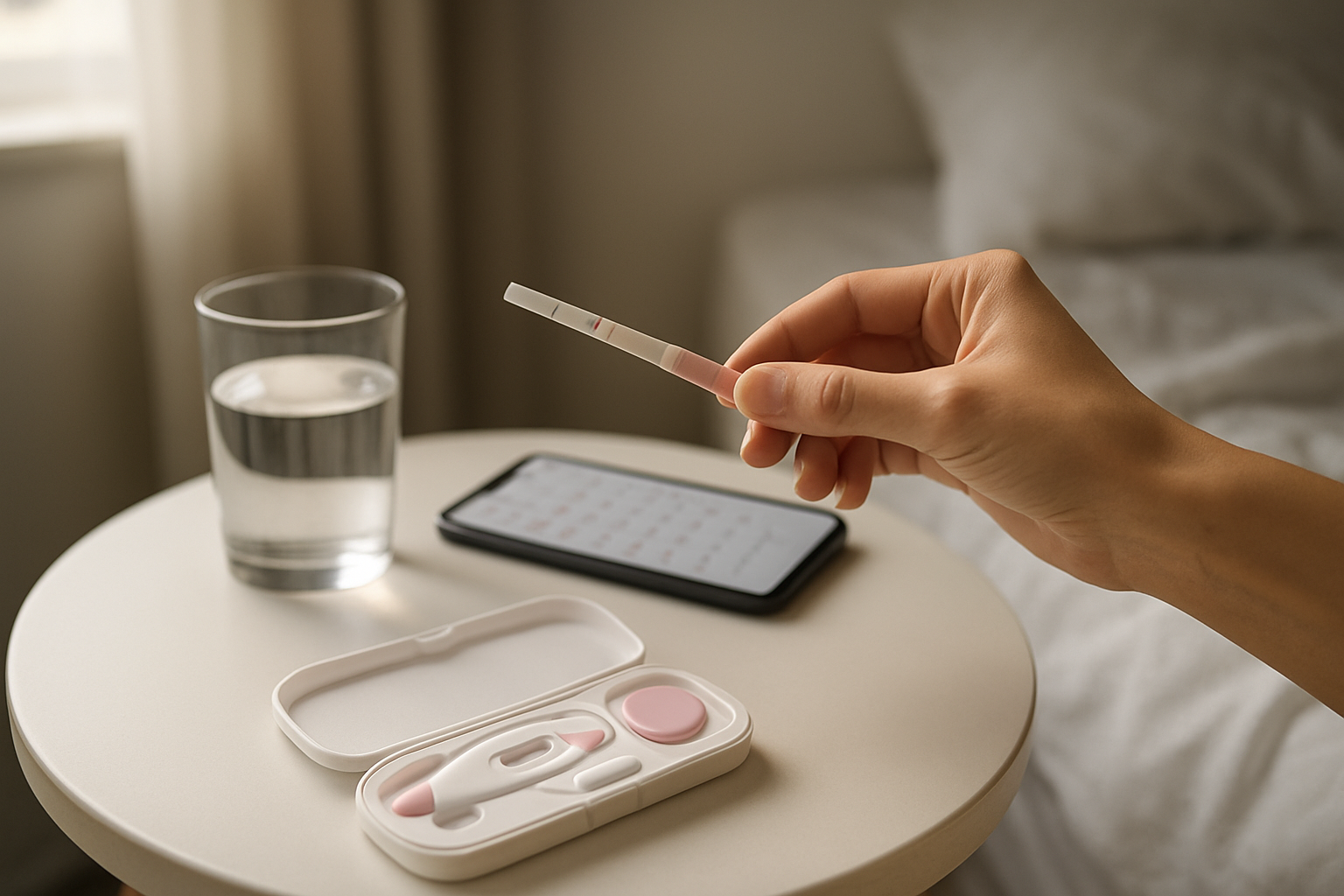
If you’re wondering how common it is to release two eggs during ovulation—especially in a natural cycle—the practical answer is that it’s unusual, and confirmation usually requires ultrasound monitoring rather than symptoms or OPKs.
1 réflexion au sujet de « How Common Is It to Release Two Eggs During Ovulation? »