
Morning sickness usually starts between weeks 5 and 6 of pregnancy. Symptoms commonly peak around weeks 9 to 12, then improve for many people by weeks 14 to 16. A smaller number of pregnancies have symptoms that last beyond the first trimester.
Quick Take: Morning sickness often begins around weeks 5–6.
Peak: symptoms commonly hit between weeks 9–12.
Relief: many people notice meaningful improvement by weeks 14–16.
Get help: urgent care is needed if you can’t keep fluids down or dehydration signs show up.
| Typical start window | Weeks 5–6 |
| Typical peak | Weeks 9–12 |
| Typical improvement | Weeks 14–16 |
| When to seek urgent care | Can’t keep fluids down, dehydration signs, repeated vomiting with weight loss |
| Common self-care tools | Small frequent meals, bland foods, hydration sips, trigger avoidance; discuss B6/ginger or medication |
Typical timeline: when nausea and vomiting begin (weeks 5–6) and peak
For many pregnant people, morning sickness starts around weeks 5 to 6—often as nausea without vomiting. Symptoms typically peak between weeks 9 and 12, when hormone levels and sensitivity are highest. After that, many notice gradual improvement, though the exact timing can differ from person to person and from pregnancy to pregnancy.
Most cases show up in the first trimester, which is why you might notice it soon after a missed period. The “morning” part is a misnomer—nausea can hit any time, especially when you’re hungry or smell something that sets you off.
Progression is usually gradual, not sudden. A common pattern is mild nausea that becomes more frequent, then steadier waves around the peak weeks, followed by a slow easing. (If your symptoms feel intense right away, keep track and check in with your clinician—better to be safe.)
- Start: often weeks 5–6
- Peak: commonly weeks 9–12
- After peak: many improve by weeks 14–16
When it ends: what “relief” usually looks like by the second trimester
Many people feel meaningful relief in the second trimester, often between weeks 14 and 16. Nausea tends to become less intense and less frequent. Some still get mild symptoms or occasional nausea later on. If symptoms persist or worsen after the second trimester, talk with a clinician to rule out complications.
“Relief” can look different. Some can eat normal portions again; others feel nauseated mainly when they skip meals. You may also notice improved tolerance for smells that previously triggered nausea.
For a minority, symptoms don’t fully fade after the first trimester. If you’re still vomiting regularly after mid-pregnancy or you’re losing weight, clinicians typically reassess hydration, electrolytes, and the overall pregnancy picture.
Why timing varies: hormones, sensitivity, and prior pregnancy differences
Morning sickness timing varies because nausea sensitivity and hormone response aren’t the same for everyone. Shifts in hCG, estrogen, and progesterone can affect the gut and smell sensitivity, which may make symptoms start earlier or feel stronger. If you had nausea in a previous pregnancy, you may see a similar timeline—but severity can still change.
Hormone changes rise early in pregnancy, including hCG. That early biochemical shift may explain why many people ask when does morning sickness start and notice symptoms around weeks 5–6. Still, your personal response matters: the same hormone changes can feel mild for one person and much harder for another.
Smell sensitivity is a big factor. If food odors, perfumes, or cooking smells suddenly feel overpowering, that can shape when nausea starts and how intense it becomes. Prior pregnancy nausea can point to a higher chance of recurrence, but it doesn’t guarantee the same severity.
When to worry: signs of hyperemesis gravidarum and urgent red flags
Most morning sickness is uncomfortable but manageable. Seek urgent care if you can’t keep fluids down, you have signs of dehydration (dark urine, dizziness), or you vomit repeatedly with weight loss. Hyperemesis gravidarum is more severe and may require prescription treatment and sometimes IV fluids. If you can’t function or symptoms escalate quickly, contact your clinician promptly.
Hyperemesis gravidarum affects a minority of pregnancies (often cited around 0.3–3%). Clinicians may track weight trends, urine output, hydration status, and sometimes lab values to check for electrolyte imbalance.
Red flags aren’t only “more vomiting.” They include dehydration signs, inability to keep even small sips down, severe weakness, and rapid worsening. If you’re stuck in a vomiting loop and can’t rehydrate, prompt evaluation can prevent complications and speed up relief.
For official guidance, review ACOG’s FAQ on nausea and vomiting of pregnancy and NHS information on nausea and vomiting in pregnancy.
What helps by the time nausea peaks: evidence-based self-care and safe options
During the peak period (often weeks 9–12), small, consistent strategies can reduce nausea: eat small frequent meals, choose bland foods, stay hydrated with sips, and avoid triggers like strong smells. Many people benefit from ginger or vitamin B6, and clinicians may recommend doxylamine-pyridoxine or other anti-nausea options when symptoms are significant. Start with lifestyle changes, then escalate if you’re not improving.
Meal timing often matters more than “trying to eat a big breakfast.” Aim for something you can tolerate every few hours—crackers, toast, oatmeal, rice, bananas, or broth-based foods. If nausea rises when your stomach is empty, feeding it gently can make the difference between manageable waves and repeated vomiting.
Hydration works best in small amounts. Frequent sips of water, ice chips, oral rehydration solutions, or diluted drinks can help you stay ahead of dehydration. Avoid chugging; for some people it triggers nausea.
Practical options to discuss or try
- Trigger control: ventilate your kitchen, use unscented products, and keep high-odor foods out of your direct line of smell.
- Ginger and vitamin B6: commonly used for pregnancy nausea; follow clinician guidance for dosing and safety.
- Medication if needed: prescription options like doxylamine-pyridoxine may be considered when symptoms interfere with eating or drinking.
Clinician-reviewed background on symptoms and causes is also covered by Mayo Clinic’s morning sickness overview.
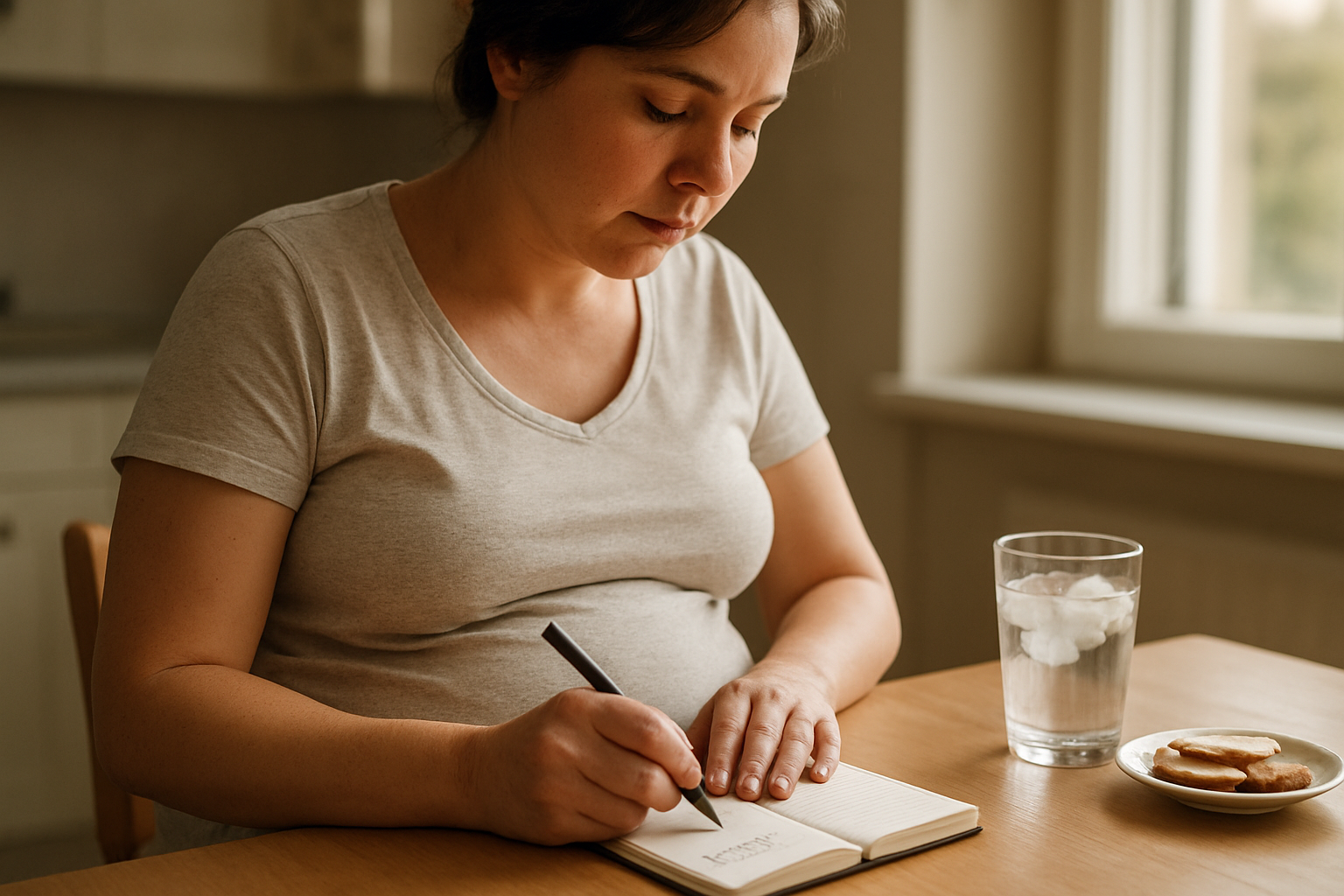
Tracking symptoms to know your pattern: weeks-by-week notes that guide care
A simple symptom log helps you spot your personal pattern and decide when to contact a clinician. Track nausea severity, vomiting frequency, ability to eat and drink, triggers, and any weight changes. Note the week symptoms started and when they improved. That information helps your clinician tell typical morning sickness from more severe conditions and tailor treatment.
A weekly log is usually enough. Write down the key facts once per week, then add quick notes on days things change—especially if you start vomiting more, can’t keep fluids down, or notice dark urine or dizziness. (It’s a lot easier than trying to remember details later.)
Weight trends and urine color can signal dehydration. If you’re wondering when does morning sickness start for your pregnancy, the “start week” you record can also help you compare your timeline to typical patterns—and decide whether symptoms are following an expected course.
FAQ
When does morning sickness start in pregnancy—week 4, 5, or 6?
Most people notice morning sickness between weeks 5 and 6. Some start around week 4, but week 5–6 is the most common window. If symptoms begin earlier and are severe, track hydration and contact your clinician if you can’t keep fluids down.
When does morning sickness peak, and how long does it last?
Symptoms commonly peak between weeks 9 and 12. For many people, the hardest days cluster around that window, then gradually improve over the following weeks rather than stopping overnight.
Why do I have morning sickness earlier than other people?
Timing varies with hormone response, nausea sensitivity, and smell or gut changes. If you’re more sensitive to early hormone shifts or triggers, symptoms may start earlier even if your pregnancy is progressing normally.
How can I tell if my nausea is normal morning sickness or hyperemesis?
Normal morning sickness is usually uncomfortable but you can still keep some food and fluids down. Hyperemesis gravidarum is more severe—repeated vomiting, weight loss, inability to keep fluids down, and dehydration signs like dark urine or dizziness. If you suspect hyperemesis, call your clinician promptly.
What should I do if I can’t keep fluids down during pregnancy?
Contact urgent care or your clinician right away. Inability to keep fluids down can quickly lead to dehydration. Ask for an evaluation and guidance on rehydration, anti-nausea treatment, and whether IV fluids are needed.
Does morning sickness mean my pregnancy is healthy?
Morning sickness can happen in healthy pregnancies, but it’s not a reliable sign of health on its own. Some people have little or no nausea and still have healthy pregnancies, while others have strong symptoms. Clinicians focus on overall symptoms, hydration, and prenatal findings.
Key takeaways
- Most morning sickness starts between weeks 5 and 6 and peaks around weeks 9–12.
- Many people feel noticeable relief by weeks 14–16, but mild symptoms can linger.
- Timing varies because hormone sensitivity, smell triggers, and gut changes differ by person.
- Get urgent help if you can’t keep fluids down, have dehydration signs, or vomit repeatedly.
- Use small frequent meals, bland foods, and hydration sips—then consider B6/ginger or clinician-guided medication if needed.
- Track your symptoms week by week to spot your pattern and make faster, safer decisions about care.
For broader pregnancy context and symptom safety, you can also reference WHO pregnancy health topics. If you’re mapping your own question of when does morning sickness start, record your start week, peak week, and improvement week—then share that pattern with your clinician.
1 commentaire sur « When Does Morning Sickness Start? Timing and What to Expect »