
Often, an early period comes from a shorter cycle or temporary hormone shifts—stress, illness, travel, weight changes, or new medications. If it happens once, it may be normal. Get urgent care if bleeding is unusually heavy, lasts longer than usual, includes severe pain, or you might be pregnant.
Quick Take: An early period can happen when your cycle is simply shorter this month—especially if the timing matches a pattern you’ve seen before.
Spotting between periods, a lighter flow, or a different color often points to early bleeding rather than a full period.
Stress, sleep disruption, illness, weight or exercise changes, and contraception changes are common triggers.
If pregnancy is possible—or bleeding is very heavy, painful, or persistent—get checked.
| Typical cycle length | About 21–35 days for many people |
| What counts as “early” | Earlier than your usual timing for 2–3 cycles |
| Most common triggers | Stress, sleep changes, illness, weight/exercise shifts |
| Contraception-related cause | Breakthrough or withdrawal bleeding during changes |
| Pregnancy testing | Do it if pregnancy is possible, especially with missed contraception |
| Urgent red flags | Soaking pads quickly, severe pain, fever, dizziness, bleeding after sex |
Short menstrual cycles vs. “true” early bleeding: how to tell the difference
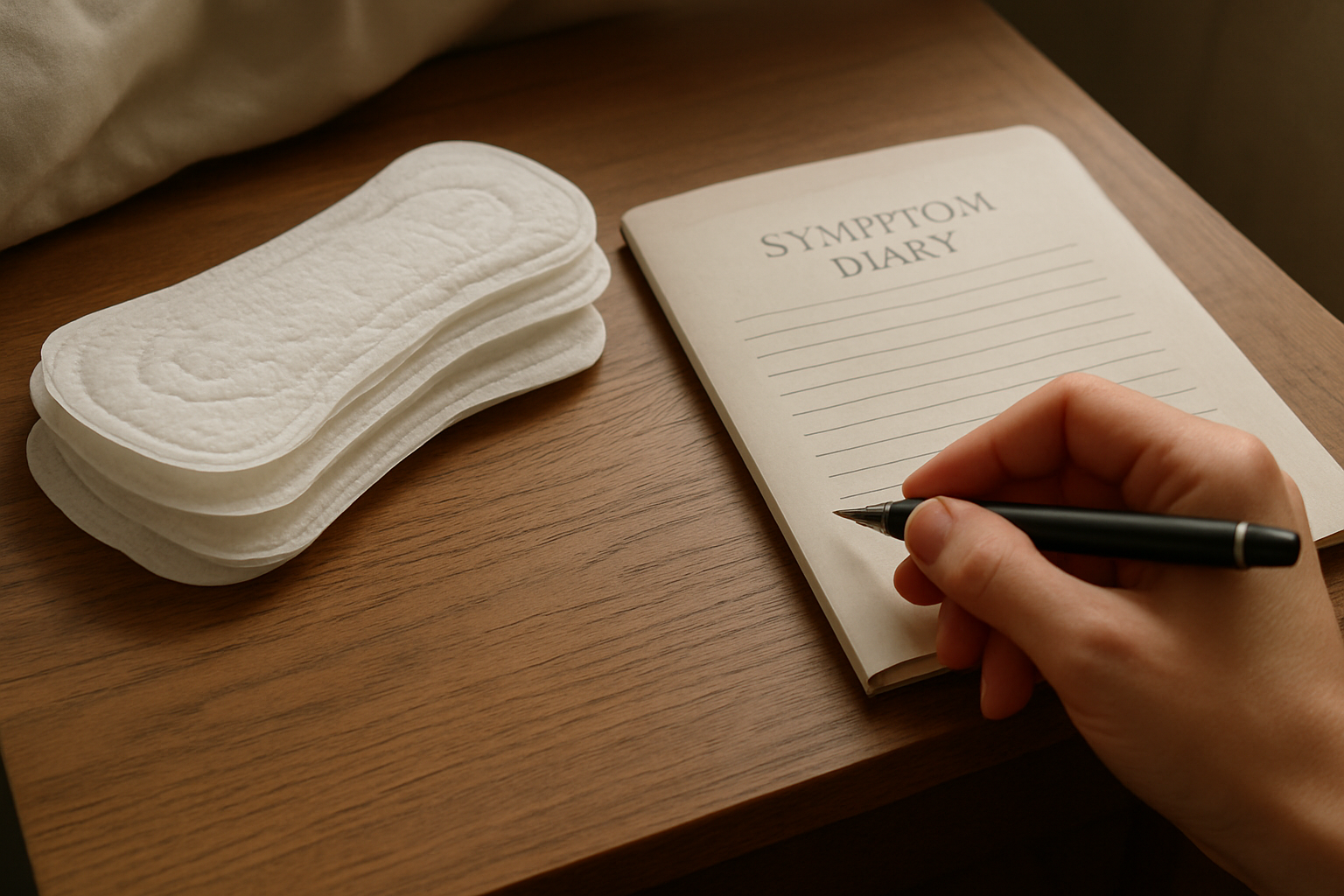
If your period shows up a few days early, it may just mean your cycle is shorter this month. True “early bleeding” is more likely when timing is irregular, bleeding is lighter or different than your usual flow, or spotting happens between periods. Track the first day of bleeding for 2–3 cycles—your body often gives clues if you look closely.
Cycle length is counted from the first day of one period to the first day of the next. Many people fall around 21–35 days, but your personal baseline matters more than a single number. If your usual cycle is 28–30 days and it drops to 24–25 days once, that often fits a temporary shift.
What counts as “early” depends on your normal rhythm. It can mean earlier than expected based on your usual timing, or bleeding that shows up at an unusual point in your cycle. Spotting vs. a full period is a useful clue: spotting is often lighter (pink or brown) and shorter. A true period usually brings a steadier flow, a familiar color, and a duration similar to your typical bleeding days.
Clinically, irregular bleeding is usually assessed over multiple cycles, not from one episode. If you had an off-cycle bleed after travel, for example, your pattern may settle again once things stabilize. Keep a simple log: first day, duration, flow level, clots, and any pain.
Quick self-check you can do today
- Compare this bleed to your usual start day and typical duration.
- Check whether it’s spotting (light, brief) or a full flow period.
- Track for 2–3 cycles before assuming it’s your new normal.
Hormone shifts that commonly move your period earlier (stress, sleep, weight, illness)
Stress, poor sleep, rapid weight loss or gain, intense exercise, and recent illness can change hormone signaling and lead to earlier bleeding. These shifts can affect ovulation timing, which then changes when your period starts. If the change followed a clear lifestyle or health event, it often improves as your body settles.
Reproductive hormones rely on a tight brain–ovary signaling loop. When stress hormones rise or sleep becomes irregular, ovulation may happen earlier—or less predictably. That can shorten the time between ovulation and your next period, so bleeding starts sooner than you expected.
Weight and training matter too. Rapid changes in body weight can affect insulin sensitivity and hormone balance. Heavy training or a sudden increase in exercise can shift ovulation as well. If you started a new workout plan, changed eating patterns, or had a major life event, the timing change may be part of that chain.
Illness and inflammation can also nudge cycle timing. Even common infections, travel-related disruptions, or stress around getting sick can move the cycle. The key question is persistence: if the pattern continues beyond 2–3 cycles, it’s time to dig deeper.
Medications and contraception: when birth control, emergency contraception, or new drugs shift timing
Some medications can cause breakthrough bleeding or earlier-than-expected periods, especially when starting, stopping, or changing hormonal contraception. Emergency contraception can also trigger bleeding at unusual times. If you recently changed pills, shots, implants, IUD type, or take medicines that affect hormones, timing shifts are more likely.
Hormonal contraception is a common reason for off-schedule bleeding. When you start a pill, switch formulations, change delivery methods (like patch to ring), or adjust timing, your uterine lining may shed unpredictably. Breakthrough bleeding is a known effect during initiation or adjustment for many people.
Emergency contraception can shift your next bleed too. Depending on when you take it and where you are in your cycle, your period may come earlier or later, and flow may be lighter or heavier than usual. If you’re tracking changes, write down the date you took emergency contraception so you can interpret the timeline.
Some non-contraceptive medications can influence cycle regularity as well. If the change persists, review your medication list with a clinician and mention supplements—some can affect hormone pathways.
What to track when contraception is involved
- Start/stop dates for any birth control changes.
- Dates of missed doses (for pills) or injection timing (for shots).
- Bleeding pattern: spotting vs. full flow, duration, and pain.
Pregnancy-related bleeding: when “early period” could be implantation or miscarriage
Bleeding that looks like an early period can sometimes be pregnancy-related. Implantation bleeding is usually light and short. Miscarriage bleeding may be heavier and come with cramping. If pregnancy is possible—especially after unprotected sex or missed contraception—take a home pregnancy test and get care if bleeding is heavy or painful.
If your period is coming early and the timing feels off, pregnancy is one reason you shouldn’t ignore. Home pregnancy tests detect hCG and are most reliable after a missed period. Still, if bleeding is off-schedule and pregnancy is possible, testing sooner can bring reassurance—or help you plan follow-up.
How bleeding can differ matters. Light, brief spotting can happen with implantation, but it’s not a guarantee. Miscarriage bleeding may be heavier, with stronger cramps, and sometimes tissue. Severe one-sided pain, shoulder pain, or dizziness are red flags for urgent evaluation (including ectopic pregnancy concerns).
If you’re unsure, test and act on the result. If you test negative but bleeding continues or pain worsens, repeat testing and contact a clinician for guidance.
Underlying conditions to rule out (PCOS, thyroid problems, perimenopause, fibroids, infections)
Persistent early or irregular bleeding can be linked to conditions that affect hormones or the uterine lining—thyroid disorders, PCOS, fibroids, endometrial polyps, or infections. Perimenopause can also shorten cycles for some people. If your pattern keeps changing, doesn’t match your baseline, or comes with other symptoms (acne, hair changes, fatigue, pelvic pain), get evaluated.
Hormonal conditions can disrupt ovulation and cycle timing. Thyroid disease is a common endocrine cause of menstrual irregularity, and PCOS can lead to irregular or unpredictable bleeding. In these cases, cycles may come early, run long, or vary from month to month.
Uterine causes can also lead to irregular or heavy bleeding. Fibroids are a frequent benign cause of heavy or disruptive uterine bleeding in people of reproductive age. Endometrial polyps can cause spotting or bleeding between periods too.
Infections and inflammation may cause spotting and discomfort as well. If bleeding comes with pelvic pain, unusual discharge, fever, or pain during sex, it’s more likely an infectious or inflammatory issue than a simple cycle fluctuation. (And yes, it’s okay to get checked even if you’re not sure.)

When to worry: red flags, timing to test, and when to contact a doctor
Call a clinician promptly if you have very heavy bleeding (soaking pads rapidly), bleeding that lasts much longer than your usual period, severe or worsening pelvic pain, bleeding after sex, or symptoms like fever or dizziness. If pregnancy is possible, test early and seek care for heavy bleeding or strong cramps. For ongoing irregularity, schedule a visit even if symptoms are mild.
Urgent red flags don’t wait. Seek urgent care if you soak through pads quickly, feel lightheaded or faint, have fever, or experience severe pain. Bleeding after sex can also point to a cervix or uterine issue that needs evaluation.
Timing to test depends on what you’re trying to rule out. If pregnancy is possible, take a home pregnancy test after a missed period for the best reliability. If your period is coming early and you had risk (unprotected sex, contraception missed, or a late dose), testing sooner can give early information—but follow up if results don’t match what you expect.
Clinicians often reassess if irregular bleeding continues across 2–3 cycles. That timeline helps separate one-off triggers (like travel or illness) from persistent issues that may need bloodwork or imaging.
External guidance you can review
- ACOG: Irregular uterine bleeding—when to get evaluated
- NHS: When your period is unusually heavy
- CDC: Pregnancy tests—timing and accuracy
- WHO: Menstrual health overview
FAQ
How can I tell if my cycle is just shorter or if the bleeding is abnormal?
Compare the timing and pattern to your baseline. A shorter cycle usually shifts the start date, but the flow and duration often look similar to your typical period. Abnormal bleeding is more likely when it’s lighter or different, happens between expected periods, or keeps recurring across 2–3 cycles.
When periods arrive early, what’s most common: stress, ovulation, or hormones?
Stress is a common trigger because it can disrupt sleep and hormone signaling, which then affects ovulation timing. Changes in ovulation timing are often the step that shifts when bleeding begins.
Why am I spotting between my periods, and can it look like a period?
Intermenstrual spotting can come from hormone shifts, contraception changes, infection or inflammation, or uterine causes like polyps or fibroids. It can look like a light period, but it’s often shorter and lighter. If it repeats or comes with pain, get evaluated.
When should I take a pregnancy test if I had bleeding earlier than expected?
If pregnancy is possible, test after a missed period for the best accuracy. If you had risk and your bleeding is off-schedule, testing earlier can still help—but repeat testing if results are negative and symptoms persist.
How many days of bleeding before a “real” period can be considered normal?
There’s no single “normal” number, but brief spotting (often a day or two) can happen with hormone shifts. If bleeding lasts several days, becomes heavy, or keeps happening before each expected period, it’s less likely to be a one-off and more worth medical evaluation.
Can certain medications or contraception make my period come early?
Yes. Changes in hormonal contraception can cause breakthrough or withdrawal bleeding at unexpected times. Emergency contraception commonly affects the timing of the next bleed. Some other medications may also influence cycle regularity, especially if the change is recent.
Key takeaways
- If your period is only a few days early and it matches a one-time pattern, it may reflect a shorter cycle rather than a problem.
- Track the first day, duration, and flow changes for 2–3 cycles to see whether the shift keeps happening.
- Stress, sleep disruption, illness, and weight or exercise changes can move ovulation timing and shift when bleeding starts.
- New or changed contraception (including emergency contraception) can cause off-schedule bleeding—review your timeline with a clinician if it persists.
- If pregnancy is possible, take a pregnancy test instead of assuming it’s an early period.
- Get urgent care for heavy bleeding, severe pain, fever, dizziness, or bleeding after sex.
- If irregular bleeding continues across multiple cycles or comes with other symptoms, schedule a medical evaluation to rule out thyroid issues, PCOS, fibroids, infections, or other causes.
If you’re asking why is my period coming early, the practical path is to compare your baseline, test for pregnancy if there’s any risk, and escalate care if bleeding is heavy, painful, or persistent. What would you do first if you were unsure?
1 commentaire sur « Why Is My Period Coming Early? Common Causes and Next Steps »