
Quick Take: Cramps that feel like your period but come without bleeding usually point to ovulation timing, early pregnancy, or hormonal shifts (often after stress or travel). Other possibilities include ovarian cysts, endometriosis, constipation, or bladder irritation. If pregnancy is possible, take a home test, and get urgent care for severe one-sided pain, fever, fainting, or pregnancy with red flags.
| Most common pattern | Late ovulation, early pregnancy, or hormonal shifts |
| Key distinction | Timing and symptom pattern (one-sided vs central, intermittent vs constant) |
| First test to consider | Home urine pregnancy test after a missed period (repeat if negative) |
| Common non-gynecologic mimics | Constipation/gas or bladder irritation/UTI |
| Urgent signs | Severe one-sided pain, fever, fainting/dizziness, or pregnancy with red flags |
Period-like cramps without bleeding most often come from ovulation timing, early pregnancy, stress or hormonal shifts, or non-period gynecologic issues like ovarian cysts or endometriosis. If pregnancy is possible, start with a home test, track symptoms, and seek urgent care for severe one-sided pain, fever, fainting, or heavy bleeding.
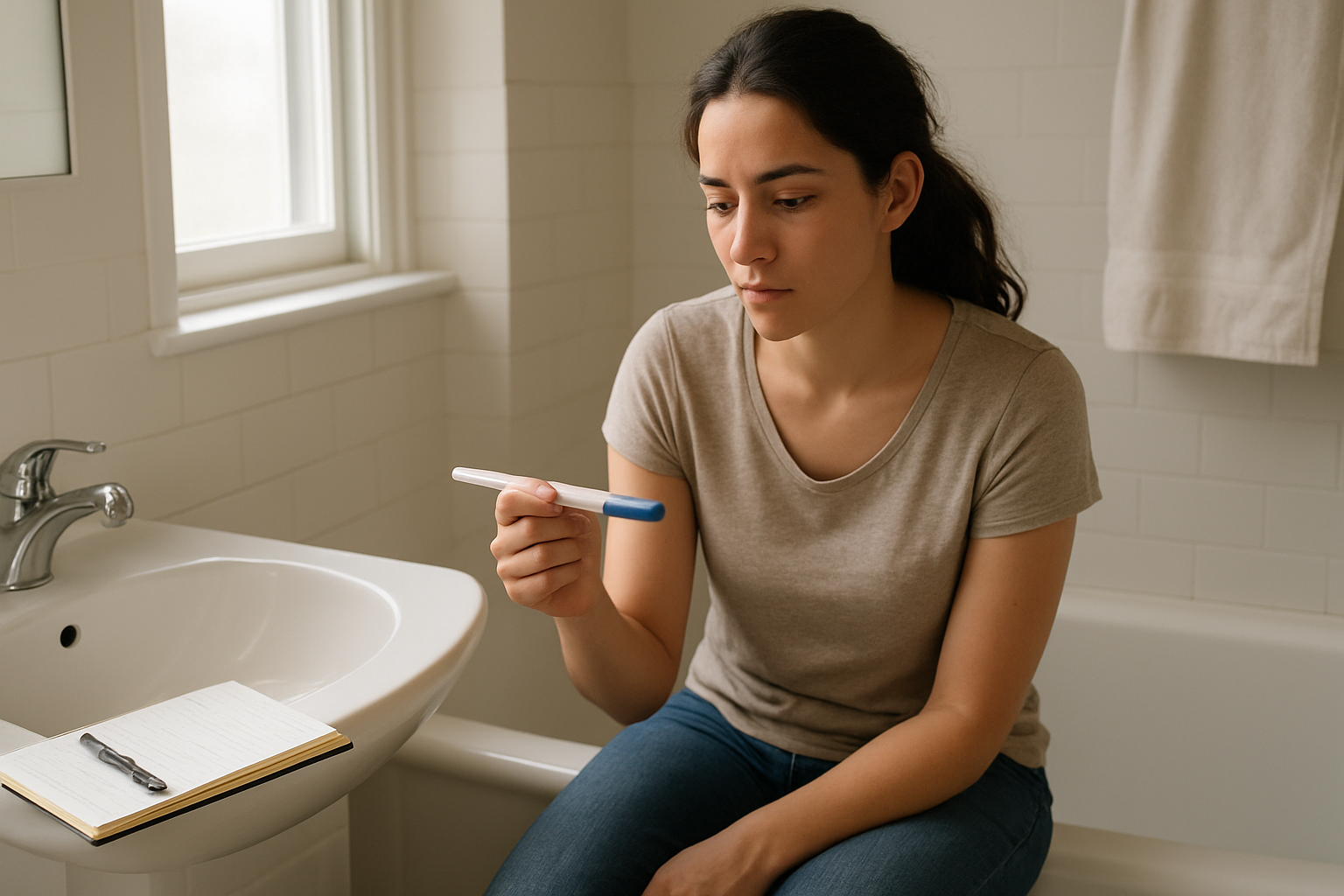
Period-like cramps but no menstrual bleeding: the most common reasons
Cramps that feel like your period but don’t come with bleeding are commonly linked to ovulation, early pregnancy, and hormonal fluctuations (including after stress or travel). Sometimes the cause is a benign uterine or ovarian issue. Less often, GI or bladder irritation can mimic menstrual cramps.
Start by separating “cramps” from “bleeding” through timing. Late ovulation can shift your next period, so you may feel period-like discomfort without the expected flow. Ovulation typically happens about 12–16 days before the next expected period, and a delayed ovulation can change both the calendar and the symptoms.
Next, look at the symptom pattern. One-sided, intermittent cramps often suggest an ovarian-related cause. Central, steady cramps can fit uterine or cycle-related shifts. If bleeding concerns are part of the picture, clinicians also consider endometriosis—estimates vary by study design, but several percent of people evaluated for uterine bleeding concerns are found to have endometriosis. (If you’re unsure whether to test, pregnancy timing is the first fork.) Early pregnancy testing can also be falsely negative, especially before a missed period.
How to narrow it down quickly
- Late ovulation: cramps start around what “should” be your period, but your cycle is off.
- Missed cycle: your period is late and cramps appear without bleeding.
- Early pregnancy: cramps may show up before bleeding begins—or without bleeding at all.
- Non-gynecologic mimics: symptoms fluctuate with bowel movements or urination.
Early pregnancy cramps vs PMS: when to take a pregnancy test
Early pregnancy can cause cramping that feels like PMS, sometimes before bleeding starts—or even when bleeding never shows up. If pregnancy is possible, take a home urine test after a missed period. If it’s negative but cramps continue, repeat in 48–72 hours or ask about a blood test through a clinician.
If there’s any chance of pregnancy, treat it as a priority differential diagnosis—even when the cramps feel “just like your usual period.” Most home urine pregnancy tests are most accurate when used around the day of a missed period. Testing earlier can lead to an early false-negative, especially if ovulation happened later than you assumed.
Repeat testing when symptoms persist. A second test 48–72 hours later can turn an early false-negative into a positive as hCG rises. Also watch for ectopic pregnancy warning signs: severe pain (often one-sided), shoulder pain, dizziness, or fainting. Ectopic pregnancy can present with pain before heavy bleeding. If any of those show up, don’t wait on home testing.
Practical test timing
- Missed period (or clear delay): take a home urine test.
- Negative result + ongoing cramps: repeat in 48–72 hours.
- Severe symptoms or pregnancy red flags: seek urgent care for evaluation.
Hormonal and cycle changes that can delay bleeding (without stopping cramps)
Hormonal shifts can cause cramps even when bleeding is delayed or lighter than usual. Common triggers include stress, significant weight change, intense exercise, thyroid problems, and perimenopause-related cycle irregularity. If your cycle changes repeatedly, clinicians often evaluate thyroid function and other causes of irregular menstruation.
Think about what’s been different lately. Did you have a stressful week, a long trip with disrupted sleep, a major weight change, or a new exercise routine? Did you change contraception (starting, stopping, or switching methods)? After stopping hormonal contraception, cycles may take time to normalize, and cramps can show up before bleeding becomes predictable again.
Delayed ovulation is the usual mechanism behind “period-like” timing symptoms without a full bleed. Thyroid disorders are a recognized cause of menstrual irregularity; evaluation may include TSH and related tests. Perimenopause often brings cycle variability (shorter or longer cycles) and changes in bleeding patterns, so cramps can recur even when your flow doesn’t follow your usual rhythm. (It’s annoying, but it happens.)
When to request labs
If your cycle becomes consistently irregular, or cramps keep returning without a clear pattern, it’s reasonable to discuss a workup with a clinician. Ask specifically whether thyroid testing (often TSH) and other irregular-cycle labs make sense for you.
Gynecologic causes: ovarian cysts, endometriosis, and fibroids
Non-period gynecologic conditions can cause cramping that mimics menstrual pain. Ovarian cysts often cause one-sided or sudden pain. Endometriosis can cause cyclical or persistent cramps even without bleeding. Fibroids can contribute to pelvic pressure and irregular bleeding. Imaging (often ultrasound) helps confirm the cause.
Use pain location and pattern to guide your questions. One-sided, sharp, or worsening pain can fit ovarian cysts or other ovarian issues. Endometriosis often involves symptoms that persist, recur, or track with your cycle—even when bleeding is absent or lighter than expected. Fibroids may bring pelvic pressure, heaviness, or irregular bleeding, but cramps can still be part of the picture.
“No period” doesn’t rule these out. Endometriosis is often underdiagnosed for years, so persistent symptoms matter. Pelvic ultrasound is a first-line test for many structural causes like cysts and fibroids. If symptoms keep coming back or don’t match a simple cycle shift, ask about imaging and symptom-based treatment options.
What clinicians typically ask
- Is the pain one-sided or centered?
- Does it follow a cycle or happen unpredictably?
- Any pain with sex, bowel movements, or urination?
- Any history of endometriosis, fibroids, or ovarian cysts?
Non-gynecologic mimics: GI and urinary problems that feel like period cramps
Constipation, gas, diarrhea, or intestinal inflammation can create lower abdominal cramping that resembles menstrual pain. Urinary tract irritation or infection can also cause pelvic discomfort, urgency, or burning. Clues include bowel changes, pain with urination, or relief after passing stool or gas.
Start with GI clues: bloating, constipation, diarrhea, or cramps that relate to meals or bowel movements. Bowel-related cramps often fluctuate and may improve after you pass stool or gas—unlike many uterine causes, which don’t typically respond to bowel relief in the same way. (If your cramps ease after a bowel movement, that’s a useful signal.)
Then check urinary symptoms. Look for burning, urgency, frequency, or cloudy/foul-smelling urine. Urinary infections are common and can present with pelvic discomfort even without vaginal bleeding. If you suspect an infection, don’t rely on “waiting for your period” to fix it—treating the underlying cause matters.
How to treat mimics safely while you assess
Supportive care can help mild GI or urinary irritation, but keep pregnancy in mind if it’s possible. If you’re unsure whether pregnancy is on the table, avoid self-medicating pain relief in a way that could be unsafe in early pregnancy; ask a clinician for guidance.
Red flags and when to seek urgent medical care
Get urgent care if cramps are severe (especially one-sided), you faint or feel dizzy, you have fever, or you suspect pregnancy with significant pain. Also seek prompt evaluation for heavy bleeding, foul discharge, or pain that rapidly worsens. These signs can indicate ectopic pregnancy, infection, torsion, or other urgent conditions.
Know the emergency symptom set. Severe pain plus fainting or dizziness can be concerning when pregnancy is possible. Fever plus pelvic pain can indicate infection and warrants prompt evaluation. Ovarian torsion can cause sudden severe pain and needs emergency treatment—time matters for preserving ovarian function.
If pain is escalating or strongly localized to one side, don’t wait for a “period to start.” If you’re pregnant or could be pregnant, lower your threshold for urgent assessment—especially when the symptom pattern doesn’t match your usual PMS. What if it feels “off” in a way you can’t explain?
When to call same-day
- You might be pregnant and the pain is moderate-to-severe.
- Fever, chills, or worsening pelvic tenderness.
- New foul-smelling discharge or heavy bleeding.
- Sudden sharp one-sided pain (especially if nausea is present).
What to do next: a practical checklist for the next 24–72 hours
Over the next 1–3 days, check whether pregnancy is possible, take a home test if appropriate, and track pain (timing, location, severity) along with any urinary or bowel symptoms. Use heat and hydration for comfort, avoid NSAIDs if you might be pregnant unless a clinician advises otherwise, and contact a clinician if symptoms persist or worsen.
Do a pregnancy test whenever there’s any chance of pregnancy, and repeat if negative but symptoms continue. Track symptom details to help clinicians triage faster: when cramps started, where they are (center vs left vs right), whether they come and go, and what you notice with urination or bowel movements. (A quick timeline often clarifies things quickly.)
Many non-urgent causes improve with supportive care, but pain that lasts beyond a few days needs evaluation. If symptoms worsen, become one-sided and severe, or you develop fever or dizziness, skip the checklist and seek urgent care immediately.
Your 24–72 hour checklist
- Test: home urine pregnancy test after a missed period; repeat in 48–72 hours if negative and cramps persist.
- Track: pain score (0–10), location, timing, and triggers; note urinary/GI symptoms.
- Comfort: heat pack, hydration, gentle movement; consider safe options with a clinician if pregnancy is possible.
- Decide: call a clinician if pain lasts beyond a few days or interferes with daily life.
For pregnancy testing basics, see ACOG guidance on home pregnancy tests. For ectopic pregnancy warning signs, review NHS information on ectopic pregnancy.
FAQ
How can I tell if cramps without a period are related to pregnancy?
If pregnancy is possible, treat it as the first possibility. Take a home urine pregnancy test after a missed period; if negative but cramps continue, repeat in 48–72 hours or ask for a blood test. If pain is severe (especially one-sided), you faint, or you have fever, seek urgent care rather than waiting.
What pregnancy test should I take if I have cramps but no bleeding?
Use a home urine pregnancy test designed for use around the day of a missed period for best accuracy. If it’s negative but symptoms persist, repeat in 48–72 hours or request a blood test through a clinician.
Why do I have period-like cramps but no period?
Common reasons include late ovulation, missed or delayed cycles from stress, weight change, intense exercise, thyroid issues, or perimenopause-related irregularity. Gynecologic causes like ovarian cysts or endometriosis and non-gynecologic mimics such as constipation or bladder irritation can also feel like period cramps.
When should I see a clinician if I have cramps and no period?
Contact a clinician if cramps last beyond a few days, recur frequently, or interfere with daily life—especially if you have urinary symptoms, significant pelvic tenderness, or repeated cycle delays. Seek urgent care immediately for severe one-sided pain, fainting/dizziness, fever, or any pregnancy with red flags.
How long can period-like pain last without bleeding before I should get checked?
If pregnancy has been ruled out and the pain is mild, you can monitor for about 24–72 hours while tracking symptoms. If cramps persist beyond a few days, worsen, or keep returning, schedule an evaluation instead of waiting for bleeding to “arrive.”
Can endometriosis cause cramps without a period?
Yes. Endometriosis can cause cyclical or persistent pelvic cramps even when bleeding is absent, lighter than expected, or delayed. Because it can be underdiagnosed, persistent symptoms deserve medical assessment and often pelvic imaging or targeted evaluation.
Key takeaways
- If pregnancy is possible, take a home pregnancy test after a missed period and repeat in 48–72 hours if negative but symptoms persist.
- Late ovulation and hormonal shifts can cause cramps without bleeding—track cycle timing and triggers like stress or weight change.
- Ovarian cysts and endometriosis can mimic period pain even when you don’t bleed; persistent symptoms deserve evaluation.
- GI and urinary issues can imitate menstrual cramps—look for bowel changes or urinary symptoms to guide next steps.
- Go urgently for severe one-sided pain, fainting/dizziness, fever, or pregnancy with significant pain.
- Track pain location, severity, and associated symptoms for 24–72 hours to help clinicians diagnose faster.
- If cramps last beyond a few days, recur frequently, or interfere with daily life, schedule a medical assessment rather than waiting for a period to “arrive.”
If your situation feels like pain without period, start with the safest fork in the road: test for pregnancy if there’s any chance, then use timing and symptom patterns to decide whether you’re more likely dealing with a cycle shift, a gynecologic cause, or a GI/urinary mimic.
External references: CDC pregnancy information, WHO contraception overview.