
Quick Take: Period blood can smell stronger than usual because of oxidation and normal pH shifts.
Sharp “bad” smells—think fishy, rotten, or a persistent foul odor—can point to bacterial vaginosis, an STI, or another infection.
If the odor shows up quickly after a missed tampon or product retention, remove it promptly and consider urgent care.
If odor comes with itching, burning, pelvic pain, fever, or unusual discharge, get checked.
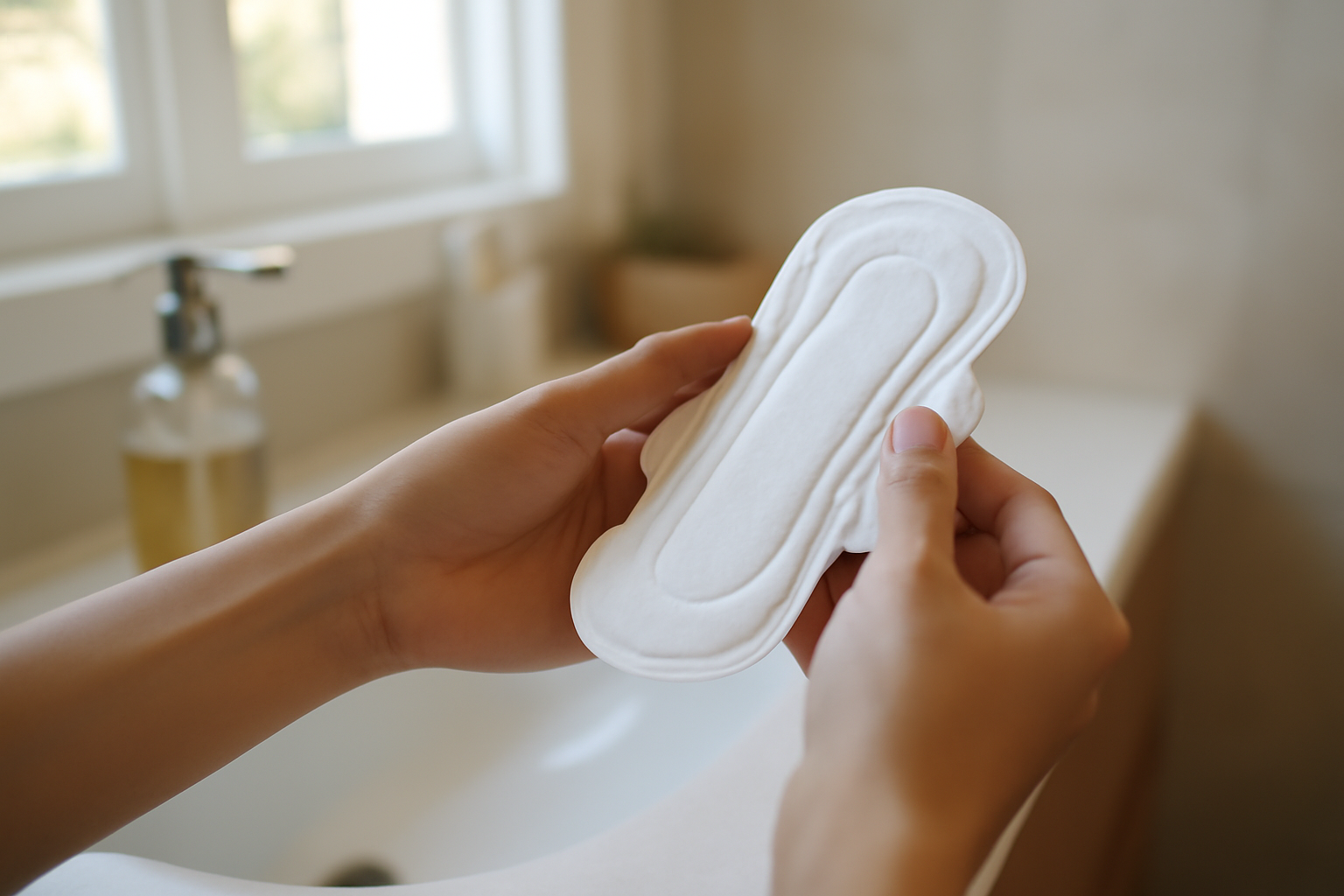
If you’re wondering why does period blood smell bad, you’re not alone. Many people notice a stronger metallic or earthy smell on heavier flow days—especially once blood sits and mixes with normal vaginal secretions. Still, some odors are a clue (and sometimes it’s nothing serious, but your body is trying to get your attention).
This guide walks through the most common causes, the red flags, and what you can do safely. (And yes—odor can shift even within the same period.)
| Criterion | What it may suggest |
|---|---|
| Metallic or earthy smell | Often oxidation and normal pH shifts |
| Fishy, stronger odor | May point toward bacterial vaginosis (BV) |
| Itching/irritation more than odor | Often yeast-related irritation |
| Foul/rotten odor or rapid onset | Consider retained tampon/product or infection |
| Fever or severe pelvic pain | Get urgent medical care |
Normal vs abnormal period odor: what “bad smell” usually means
A period can have a metallic, earthy, or slightly strong smell because blood is exposed to air and mixes with normal vaginal secretions. It becomes more concerning when it’s distinctly foul, fishy, rotten, or persistent across the whole cycle—especially if you also notice itching, burning, or unusual discharge. When symptoms show up with the smell, it’s smart to get medical advice.
“Normal” smells vary from person to person. Flow amount matters: a heavier period can mean more blood contact time with air and a stronger scent, even when everything is healthy. And the smell can change day to day—many people notice it’s stronger at the start or end of menstruation.
So here’s the practical way to think about it: don’t obsess over “strong” alone. Look at the type of odor, when it happens, and what else is going on. A mild smell that stays mild (or improves as your flow changes) is often less concerning than a persistent, offensive odor that keeps coming back.
- More likely normal: metallic, earthy, slightly strong but not foul
- More likely concerning: fishy, rotten, foul, or persistent odor
- Higher concern: odor plus itching, burning, pain, or abnormal discharge
Oxidation and pH changes: how period blood can smell stronger
Once period blood leaves the body, it can oxidize—similar to how cut fruit browns—creating a stronger metallic smell. Menstrual blood also interacts with vaginal pH and the microbiota already present, and those can shift during your cycle. In many cases, the change is temporary and improves with regular pad or tampon changes and good hygiene.
Oxidation is a chemistry process. When blood is exposed to air, compounds can break down and produce a more noticeable scent (and sometimes darker coloration). That’s why some people smell a stronger “metallic” odor when their flow is heavier or when absorbents sit longer.
Your vaginal environment isn’t frozen in time. Hormone changes during the menstrual cycle can influence pH and the balance of beneficial bacteria. When that balance shifts, the odor profile can shift too—sometimes within the same period. (Bodies are messy like that.)
If the smell is strongest on the days you bleed the most, try not to panic. With more frequent changes, odor often settles as contact time decreases.
Bacterial vaginosis and other infections: odor causes to recognize
Infections can change period odor because bacteria can alter vaginal chemistry. Bacterial vaginosis (BV) often causes a fishy or strong odor that may be more noticeable after sex or during menstruation. Yeast infections usually cause itching and irritation more than a strong “bad” smell. Trichomoniasis and other STIs can also cause unusual odor along with discharge or discomfort.
BV is a common cause of vaginal odor in reproductive-age people. Many describe it as fishy, stronger after intercourse, or noticeable during or around periods. Clinical guidance often links BV with odor changes, but smell alone can’t confirm a diagnosis.
Yeast infections typically bring intense itching, redness, and irritation, sometimes with thick “cottage cheese” discharge. Odor may not be the main symptom. STIs like trichomoniasis can cause unusual discharge and irritation, and sometimes odor changes too—testing is what clarifies what’s going on.
If you have itching, burning, pelvic discomfort, or abnormal discharge along with a stronger odor, don’t try to guess. Get evaluated so you can treat the correct cause.
Quick comparison: odor vs symptoms
- Fishy/strong odor → consider BV (especially if noticed after sex)
- Itching, burning, irritation → consider yeast or other irritation
- Unusual discharge + discomfort → consider STI or mixed infection
For more background on how STIs are evaluated and prevented, see CDC STD information and WHO sexually transmitted infections overview.
Retained tampon or menstrual product: a fast way odor becomes “bad”
A retained tampon or forgotten menstrual product can cause a strong, foul odor quickly because it traps blood and bacteria. You may also notice unusual discharge, pelvic discomfort, or spotting that doesn’t match your usual period pattern. If you suspect a retained product, remove it promptly and seek urgent care if you feel unwell or develop fever.
Retention can turn an otherwise typical period smell into something unmistakably unpleasant. Because the product stays in place, blood and secretions remain trapped—giving bacteria more time to grow and change the odor fast.
Watch for warning signs like persistent spotting that doesn’t fit your normal flow, foul-smelling discharge, pelvic discomfort, or symptoms that appear suddenly. If you suspect retention, try to remove the product safely if you can see it; if you can’t, or if symptoms are intense, get medical help.
Urgent evaluation matters especially if fever, severe pain, or a generally “very unwell” feeling develops. Waiting at home can be risky in those situations.
Safety checklist if you think something is retained
- Check gently for the missing product using clean hands.
- Remove it if you can find it easily and safely.
- If you can’t locate it, or odor is foul and worsening, seek prompt care.
- Go urgently for fever, severe pelvic pain, or feeling very sick.
How to reduce period odor safely: practical steps that work
To reduce odor, focus on minimizing contact time and supporting normal vaginal balance. Change pads or tampons regularly (and switch sooner if flow is heavy), rinse only the external area with water, and skip douching or scented washes that can worsen pH. Wear breathable underwear and choose unscented products when possible. If odor returns with symptoms, don’t just self-treat—get checked.
Heavier flow increases odor risk because absorbents saturate faster and blood stays in contact longer. A simple adjustment—changing more frequently on your heaviest days—often makes the biggest difference.
For cleaning, keep it gentle. Rinse only the outside (vulva) with water. Don’t insert anything into the vagina and avoid douching. Douching can disrupt vaginal pH and microbiota, and clinical guidance commonly advises against it.
If you use wipes or washes, pick unscented options. Fragrance can irritate tissue and may worsen imbalance. (Your nose isn’t the only thing that’s sensitive—your tissues are too.)
Practical steps you can start today
- Change absorbents often: especially during heavy bleeding
- Wash externally only: water is enough for most people
- Skip fragrances: unscented underwear and products
- Choose breathable fabrics: cotton or moisture-wicking options
- Track patterns: note odor type and whether symptoms occur
If the odor returns with itching, burning, abnormal discharge, or recurring foul smell, you may need targeted treatment rather than more cleaning.
For BV-specific guidance, read NHS: Bacterial vaginosis.
When to see a clinician: timing, symptoms, and what testing may involve
Contact a clinician if odor is unusually foul or persistent, or if it comes with itching, burning, pain during urination, pelvic pain, fever, or abnormal discharge. If symptoms are severe or you suspect a retained tampon, seek prompt care. Clinicians may do a pelvic exam and tests such as vaginal pH assessment, microscopy, or NAAT for STIs to identify the cause.
Odor can overlap across conditions, so clinicians look at the full picture. If you notice a fishy smell plus symptoms, or a foul odor that doesn’t fade after your period ends, evaluation can help rule out BV, yeast, retained products, or STIs.
Timing matters. Seek urgent care for fever, severe pelvic pain, or feeling very unwell. If symptoms come back after periods—or you keep noticing the same “bad” odor pattern—schedule sooner instead of waiting for it to resolve on its own. (You deserve answers, not guesswork.)
What testing may involve
- Pelvic exam to check for irritation, discharge, or retained products
- Vaginal pH testing to assess the environment
- Microscopy to look for characteristic signs
- NAAT testing for STIs when indicated
If you want a high-level overview of BV, including typical features and terminology, Bacterial vaginosis on Wikipedia can help with definitions—then confirm details with a clinician.
FAQ
How can I tell if my period blood odor is normal or not?
Normal odor is often metallic or earthy and changes with your flow. It shouldn’t be distinctly foul or fishy, and it usually improves as your period ends. Odor plus itching, burning, pain, or unusual discharge isn’t typical—get medical advice.
What type of odor often points to an infection during a period?
A fishy or strongly foul odor can suggest bacterial vaginosis, especially if it’s more noticeable after sex. Unusual discharge and irritation also raise concern for yeast or an STI. Smell alone can’t confirm infection, so testing may be needed.
Why does my period blood smell stronger than usual on the first or last day?
On the first or last day, flow may be lighter, and blood can stay in contact with air longer, which can make odor feel stronger. Hormonal shifts across the cycle can also change vaginal pH and microbiota, altering scent.
When should I see a clinician for a very strong period odor?
Seek care if the odor is foul, rotten, or persistent, or if it comes with itching, burning, pelvic pain, pain during urination, fever, or abnormal discharge. If you suspect a retained tampon or product, get prompt evaluation.
How long should a “strong” odor last during my period?
Odor can be stronger during heavier days, but it shouldn’t stay sharply foul throughout the entire cycle. If the smell remains offensive after your period ends, or keeps returning repeatedly, arrange a clinician visit.
Can a period odor be caused by a forgotten tampon?
Yes. A retained tampon or forgotten menstrual product can cause a strong, foul odor quickly because it traps blood and bacteria. Remove it if you can do so safely, and seek urgent care if you develop fever, severe pain, or feel very unwell.
Key takeaways
- Normal period odors can be metallic or earthy due to oxidation and changing pH—variation is expected.
- A foul, rotten, or fishy odor that persists, especially with itching or unusual discharge, is a red flag.
- Bacterial vaginosis and some STIs can change odor; smell alone can’t confirm the cause.
- If you suspect a retained tampon or product, remove it promptly and seek urgent care if you feel unwell or have fever.
- Reduce odor by changing pads/tampons regularly, using breathable underwear, and washing only the external area with water.
- Avoid douching and scented products—they can worsen pH imbalance and irritation.
- See a clinician if symptoms are severe, recurrent, or last beyond your period; testing can identify the exact cause.
Still wondering why does period blood smell bad? Use the “odor type + timing + symptoms” checklist. If it’s metallic or earthy and improves with regular changing, it may be normal chemistry and cycle shifts. If it’s foul, fishy, persistent, or paired with irritation or discharge changes, treat it as a signal to get checked.