
Female water retention often shows up 1–2 weeks before a period, when estrogen and progesterone shift and your body handles fluid a little differently.
Swelling can happen in pregnancy, too—but if it’s sudden, severe, or comes with concerning symptoms, get checked urgently.
In perimenopause, falling estrogen and everyday factors like sleep and sodium can make fluid symptoms feel louder.
Start with practical, evidence-based steps at home—then know when it’s time to call a clinician.
| Most common timing | Premenstrual (often 1–2 weeks before bleeding) |
|---|---|
| Common look/feel | Bloating, breast tenderness, mild swelling that improves after your period |
| When to worry | Sudden/severe swelling, one-sided swelling, or swelling with breathing issues, headache, vision changes |
| First-line at-home steps | Reduce sodium, stay steadily hydrated, move gently, elevate, consider properly fitted compression |
| When to ask a clinician | New, worsening, unexplained, or not linked to your cycle |
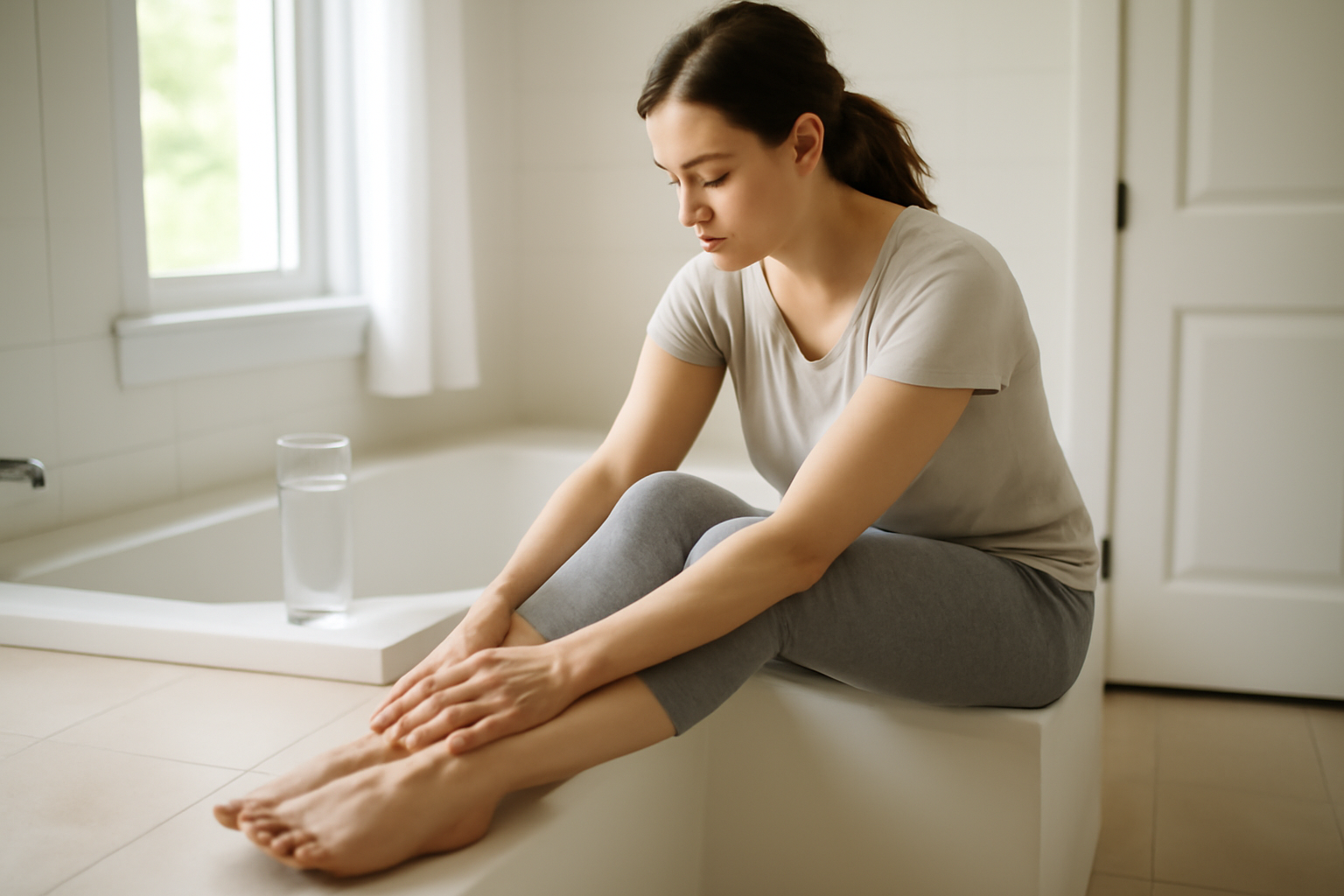
Hormones and the menstrual cycle: why water weight rises before periods
Female water retention often peaks in the 1–2 weeks before a period. The reason is simple: shifting estrogen and progesterone change how your body balances fluid, blood vessel tone, and salt handling. You may notice breast tenderness, bloating, and mild swelling that eases once bleeding starts. If you pay attention to the pattern, it’s easier to tell cycle-related edema from other causes.
Estrogen and progesterone influence how much sodium and water your body keeps. When hormone levels shift before your period, your kidneys and blood vessels can hold onto more sodium and fluid than usual. That can leave you feeling “puffy,” make rings feel tighter, or bring on a fuller, heavier abdomen. Annoying? Absolutely. Common? Also yes.
Timing is the giveaway. Many women notice water retention in the 1–2 weeks leading up to their period, and symptoms usually improve within a few days after bleeding begins. If you see the same pattern over 2–3 cycles, it’s a strong hint that hormones are driving it rather than a brand-new medical issue.
Normal PMS swelling vs red flags
Cycle-related swelling is typically generalized and mild, often paired with other PMS symptoms like bloating or breast tenderness. Still, you should get medical evaluation if swelling is sudden, severe, one-sided, or doesn’t match your usual pattern.
- More likely PMS/normal: mild swelling, bloating, tenderness; improves after bleeding starts
- More concerning: one leg much larger than the other, significant shortness of breath, chest pain, or swelling that steadily worsens each day
- Call a clinician promptly: swelling plus new high blood pressure symptoms, severe headache, or neurologic changes
Quick question: does your swelling always show up around the same point in your cycle? If yes, that’s useful information.
Pregnancy and postpartum: edema causes, what’s normal, and when to call a clinician
During pregnancy, increased blood volume and hormone-driven fluid shifts can cause swelling in the legs, feet, and hands. Mild swelling that seems tied to position can be normal, but sudden or severe edema—especially with headache, vision changes, or right-upper abdominal pain—can point to complications and should be assessed right away. Postpartum fluid shifts can also bring temporary water-weight changes.
Edema is commonly reported during pregnancy, particularly later on. Your body naturally increases blood volume, and hormones help relax vessel walls to support circulation. At the same time, slower venous return from the legs and pelvic pressure can encourage fluid to collect in the lower extremities.
After delivery, fluid that built up during pregnancy can redistribute and gradually leave your body over days to weeks. That’s why postpartum swelling and temporary water weight changes can happen even when you’re otherwise doing well. Still, pregnancy is a time to be cautious—your clinician would rather check you early than miss something important.
When pregnancy swelling needs urgent assessment
If swelling is sudden or severe, don’t wait for your next appointment. Seek urgent care when edema is paired with warning symptoms.
- Urgent signs: swelling with headache or vision changes
- Urgent signs: right-upper abdominal pain (or severe upper belly discomfort)
- Urgent signs: shortness of breath, chest pain, or trouble breathing
- Concerning pattern: one-sided leg swelling with pain or warmth (possible clot concern)
For comfort while you monitor symptoms: elevate your legs when possible, take gentle walks, and avoid long stretches of sitting or standing. Wear supportive shoes, and consider properly fitted compression stockings only if your obstetric team agrees. (If your clinician has specific guidance, follow that over general internet advice.)
For more on pregnancy-related blood pressure concerns, see ACOG guidance on preeclampsia and high blood pressure during pregnancy.
Menopause and perimenopause: estrogen decline, sodium balance, and persistent swelling
As estrogen levels decline in perimenopause and menopause, changes in blood vessel function and fluid regulation can make swelling and bloating more noticeable—and sometimes more persistent. Hot flashes, sleep disruption, and stress can also make perceived water weight feel worse. Adjusting sodium intake, hydration habits, and reviewing medications can reduce symptoms, but persistent or one-sided swelling still needs evaluation.
Perimenopause usually begins in the years before menopause (often midlife). During this transition, hormone levels fluctuate, and that variability can change how your body handles sodium and fluid. Some people notice stronger swelling during certain hormonal swings, while others feel more bloated around stress, poor sleep, or dietary changes.
Estrogen also supports aspects of vascular tone and kidney function. When estrogen declines, fluid-related symptoms can become more prominent—even if your diet hasn’t changed much. That’s why edema during menopause can feel different from classic monthly PMS.
Lifestyle factors that amplify symptoms
Sleep and stress matter more than most people expect. Poor sleep can increase stress signaling, which may worsen fluid-related discomfort. Hot flashes can disrupt nighttime routines, and cravings for salty convenience foods can follow. If your swelling flares after restaurant meals or late-day snacks, sodium may be the lever you can pull.
Also consider medications. Some prescriptions used in midlife (including certain blood pressure treatments and hormone therapies) can contribute to edema. If symptoms are persistent beyond what you’d expect for your cycle—or if swelling is one-sided—ask your clinician to rule out other causes.
Medication, supplements, and medical conditions that trigger edema in women
Water retention can be medication- or condition-related. Common culprits include some blood pressure drugs (especially calcium channel blockers), hormone therapies, corticosteroids, and certain antidepressants. Medical causes include kidney or liver problems and thyroid disorders. If swelling is new, worsening, or not tied to your cycle, a clinician may check blood pressure and labs to find the cause.
Edema has many “upstream” causes. Some are straightforward (like a medication side effect), while others require lab testing—kidney, liver, thyroid, or heart-related issues. That’s why timing and pattern are so helpful: when swelling started, what changed, and whether it tracks with your menstrual cycle can narrow the possibilities quickly.
One-sided swelling is more concerning for vascular causes than generalized bloating. Generalized puffiness can happen with hormonal or dietary drivers, but new edema that doesn’t follow your usual pattern deserves evaluation—especially if it comes with fatigue, reduced urine output, or breathlessness.
High-yield medication classes to review
Bring a list of your current medications (including supplements and over-the-counter products) to your appointment. Ask your clinician whether any could contribute to swelling.
- Blood pressure meds: calcium channel blockers are a common edema trigger
- Hormone therapies: estrogen-containing treatments can affect fluid balance
- Corticosteroids: can increase fluid retention and impact electrolytes
- Some antidepressants: may contribute in certain individuals
- NSAIDs: can worsen fluid retention for some people
Medical conditions that can cause edema
Major categories include kidney disease (fluid and salt clearance issues), liver disease (reduced protein balance), thyroid disorders (metabolic and fluid regulation changes), and heart-related problems (circulation and venous pressure). If swelling is new or unexplained, clinicians often start with blood pressure checks and basic lab review.
For a patient-friendly overview of edema causes and when to seek care, see MedlinePlus: Edema and NHS: Leg swelling.
Salt, hydration, and stress: the daily triggers that amplify water retention
Even when hormones set the baseline, daily habits can make swelling more noticeable. High sodium intake increases fluid retention. Very low fluid intake can worsen dehydration-related stress signals and trigger “hold onto water” behavior. Chronic stress and poor sleep can also amplify fluid-related symptoms. Cutting processed foods, spacing out salty meals, and keeping hydration steady often helps.
Salt is a major amplifier because sodium pulls water into the bloodstream and tissues. A lot of dietary sodium comes from processed and restaurant foods—deli meats, instant meals, pizza, fast food, and salty snack mixes. If you notice swelling after specific meals, look for the pattern: late-day salt is a common culprit.
Hydration is the other lever, but extremes can backfire. Very low fluid intake can increase stress physiology and make you feel more bloated. Aim for steady intake across the day rather than chugging large amounts at night. If you’re physically active or it’s hot, you’ll need more.
How stress and sleep change the “feel” of water retention
Stress doesn’t just affect mood—it can change how your body interprets signals tied to fluid balance. Poor sleep can increase cravings and reduce your ability to choose lower-sodium options. The result is a loop: more salty foods, more perceived swelling, more discomfort.
Try simple experiments: cut late-day restaurant meals for a week, keep hydration consistent, and prioritize sleep. If swelling improves, you’ve found a trigger you can actually control. (Small changes count.)
Safe fixes: what to do at home (and what not to try) to reduce swelling
For cycle-related or mild edema, practical steps include reducing high-sodium meals, staying hydrated, gentle movement (walking, calf pumps), and elevating your legs when possible. Compression stockings can help with leg swelling, but fit matters. Avoid detox diuretics or unsafe supplements; they can disrupt electrolytes. If swelling is severe, sudden, or paired with breathing issues, seek urgent care.
Start with what’s safe and measurable. For many women, female water retention improves when you reduce sodium load, move your body regularly, and support venous return. These strategies won’t erase hormones overnight, but they can reduce how much you feel it day to day.
Here are home options that are generally reasonable for mild, non-urgent swelling. (If you have a medical condition or are pregnant, confirm with your clinician first.)
At-home plan for the next 48 hours
- Lower sodium intentionally: choose fresh foods, and keep restaurant meals smaller for a couple of days.
- Hydrate steadily: drink regularly through the day; avoid extreme restriction or late-night chugging.
- Move often: a 10–20 minute walk plus calf pumps can help shift fluid back toward circulation.
- Elevate: raise legs when resting to reduce pooling in the lower extremities.
- Consider compression: if leg swelling is the main issue, use properly fitted compression stockings.
What not to try
Skip detox diuretics, “water pills” without guidance, and aggressive electrolyte-altering products. Unsupervised diuretic use can increase the risk of electrolyte imbalance and dehydration, which may worsen how you feel. If you’re considering any supplement, check the ingredients and ask a clinician or pharmacist first.
Also watch for emergency red flags. Sudden swelling plus shortness of breath is an emergency—get urgent care. Chest pain, fainting, or severe one-sided leg swelling also warrant immediate assessment.
For general health guidance, you can review WHO health topics, and for symptom-focused care pathways, revisit NHS: Leg swelling.
FAQ
How can I tell if my water retention is normal PMS swelling or something else?
If swelling peaks in the 1–2 weeks before your period and improves after bleeding starts, it’s often cycle-related. Track symptoms for 2–3 cycles. Get medical advice if swelling is sudden, severe, one-sided, or paired with breathing trouble, chest pain, or neurologic symptoms.
Why do I retain water after eating salty food, and how long does it last?
Sodium draws water into tissues, so processed or restaurant meals can make you feel more puffy. For many people, the effect fades within 1–3 days when you reduce additional salt and stay hydrated. If swelling is persistent or keeps worsening, consider medical causes and ask a clinician.
Is female water retention common during pregnancy, and when is it dangerous?
Yes—edema is commonly reported during pregnancy, especially later on. Mild, position-related swelling can be normal. Dangerous signs include sudden or severe swelling with headache, vision changes, right-upper abdominal pain, or shortness of breath. Those require urgent evaluation.
Can menopause cause persistent water weight, and what helps most?
Perimenopause and menopause can make fluid symptoms more noticeable due to estrogen shifts and changes in vascular function. The biggest helpers are managing sodium intake, maintaining steady hydration, improving sleep, and reviewing medications with your clinician. Persistent or one-sided swelling still deserves assessment.
How much water should I drink to reduce swelling without making it worse?
There’s no single magic number, but steady hydration through the day usually helps more than extremes. If you’re generally healthy, aim for regular intake and drink more with heat or exercise. If you have kidney, heart, or liver conditions, ask your clinician for a personalized target.
Is it safe to use over-the-counter diuretics or “water pills” for swelling?
Over-the-counter diuretics and “water pills” aren’t a one-size-fits-all solution. They can disrupt electrolytes and worsen dehydration-related stress responses. If swelling is new, unexplained, or not tied to your cycle, it’s safer to get evaluated before using diuretics.
Key takeaways
- Track timing: if swelling consistently peaks before your period, hormones are likely the main driver.
- During pregnancy, mild swelling can be common, but sudden or severe swelling with headache or vision changes needs urgent evaluation.
- In perimenopause/menopause, estrogen shifts can make fluid symptoms more noticeable—support with sodium awareness, sleep, and medication review.
- If swelling is new, one-sided, or not linked to your cycle, consider medication or medical causes and ask a clinician for assessment.
- Reduce processed, high-sodium foods and keep hydration steady rather than extreme.
- Use safe at-home strategies first (movement, elevation, properly fitted compression) and avoid detox diuretics.
- Seek urgent care for red flags such as breathing trouble, chest pain, or sudden severe swelling.
Female water retention usually follows a pattern you can learn: cycle timing, meal timing, and medication changes. When you combine symptom tracking with safe lifestyle steps—and you get checked when red flags appear—you can reduce swelling without guessing.